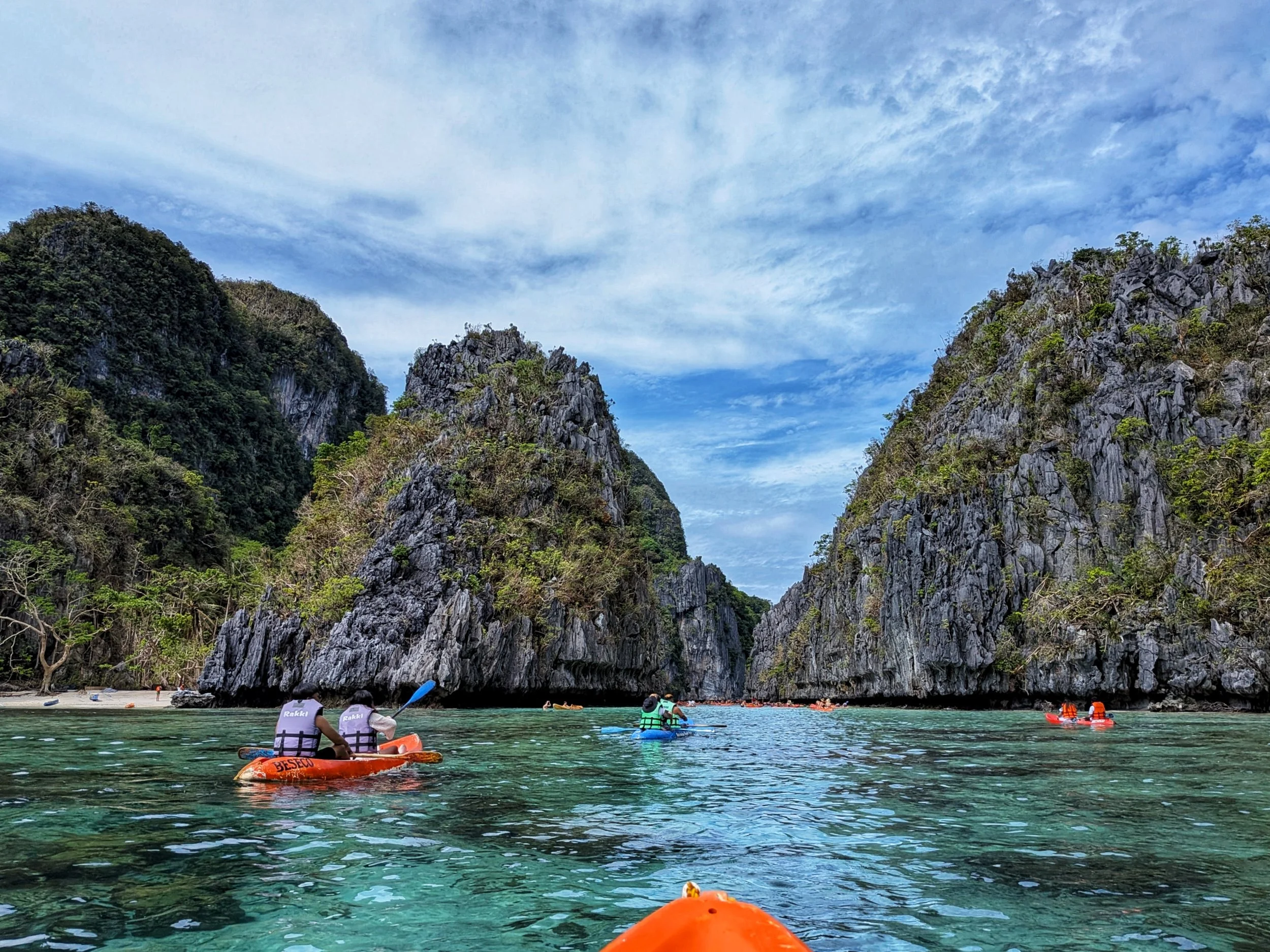
Japan & Philippines 2025
As I sit indoors on a Chicago winter morning (currently Dec.15), staring at the residual snow outside, it’s difficult to fathom that Mark and I were laying out on one of the most beautiful beaches in the world only two weeks ago. It’s honestly overwhelming to think about how to put our unforgettable month-long adventure into words but it was an adventure worth sharing, especially if Japan and Philippines are on your list of travels.
We organized our trip into three major parts, all of which had something different to explore: Tokyo, Japan; Ilocos Norte, Philippines; Palawan, Philippines. Japan has always been an interest so when we booked our trip to the Philippines, we knew we had to spend at least a couple of days in Tokyo. The Philippines, my Motherland, is a special place that I haven’t been to in 15 years (and Mark’s first time!) so we wanted to give ourselves the opportunity to explore and embrace the culture, the people, the food. If that meant going on a 10 hour road trip from Manila to Currimao instead of a 40 min plane ride, we welcomed every opportunity to see the modest towns and appreciate the native terrains. Palawan was voted as one of the best islands in the world for 2025 so we decided that some island hopping would be the best way to end a rotating menu of adventures.
TOKYO, JAPAN
Shibuya & Shinjuku
We landed at Haneda Airport in Tokyo on a Tuesday night and met my parents (who were already in Japan) at our hotel in Shibuya. Narrowing down our accommodations in Tokyo prior to our trip was overwhelming. There are so many cool neighborhoods so settling on the “perfect” place to stay was impossible, but I think we came pretty close choosing to stay at Shibuya Stream Hotel. As first time travelers who prioritize accessibility to public transportation, shops and restaurants, I’d recommend Shibuya Stream. It’s more expensive than other hotels in Shibuya but you can feel the energy of Shibuya Crossing just a few blocks away but also retreat to slumber from a high-rise hotel. Mark and I were exhausted after a 13 hour flight so we went to a local restaurant for okonomiyaki and Japanese plum wine for dinner and called it a night.
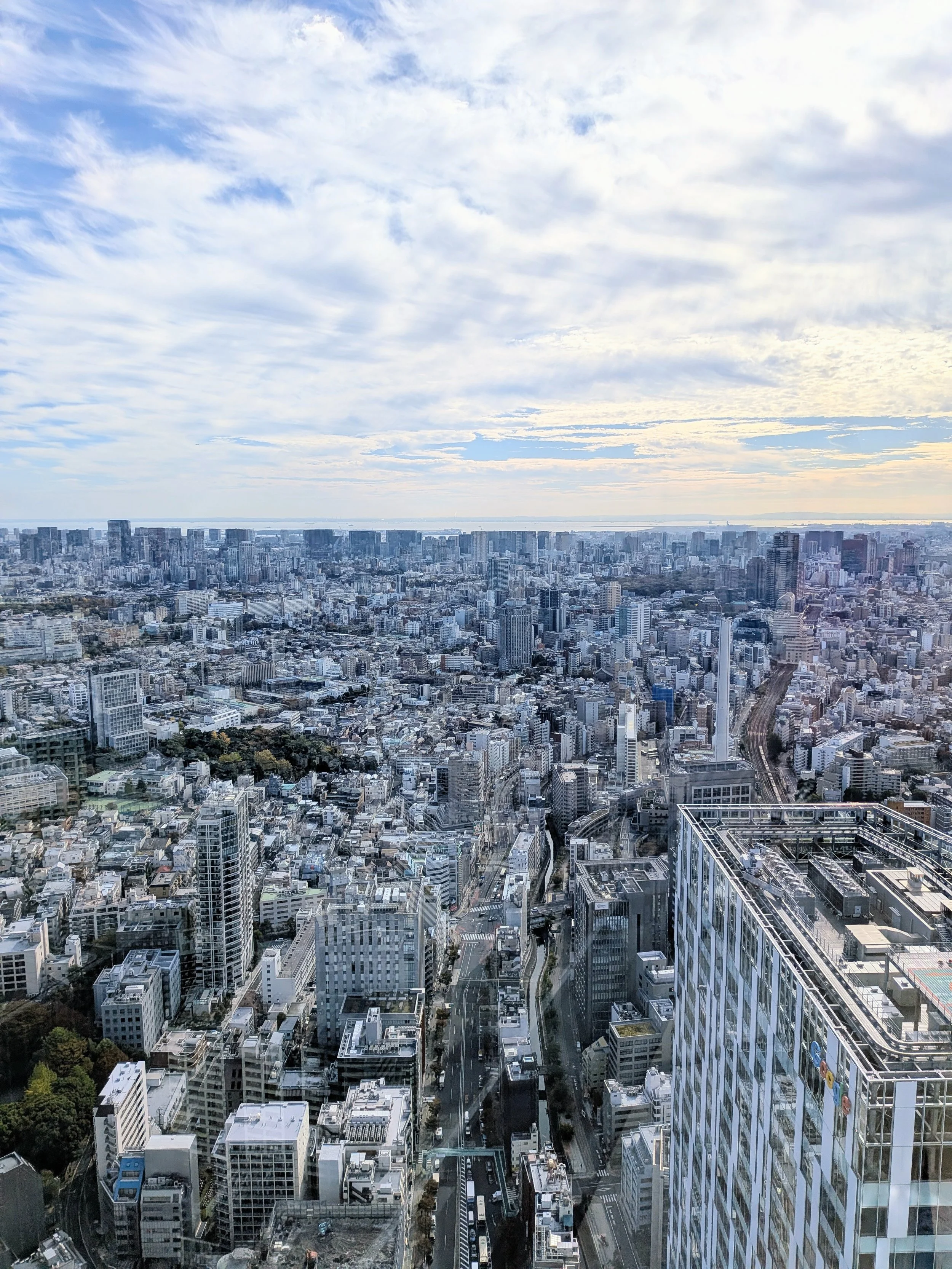
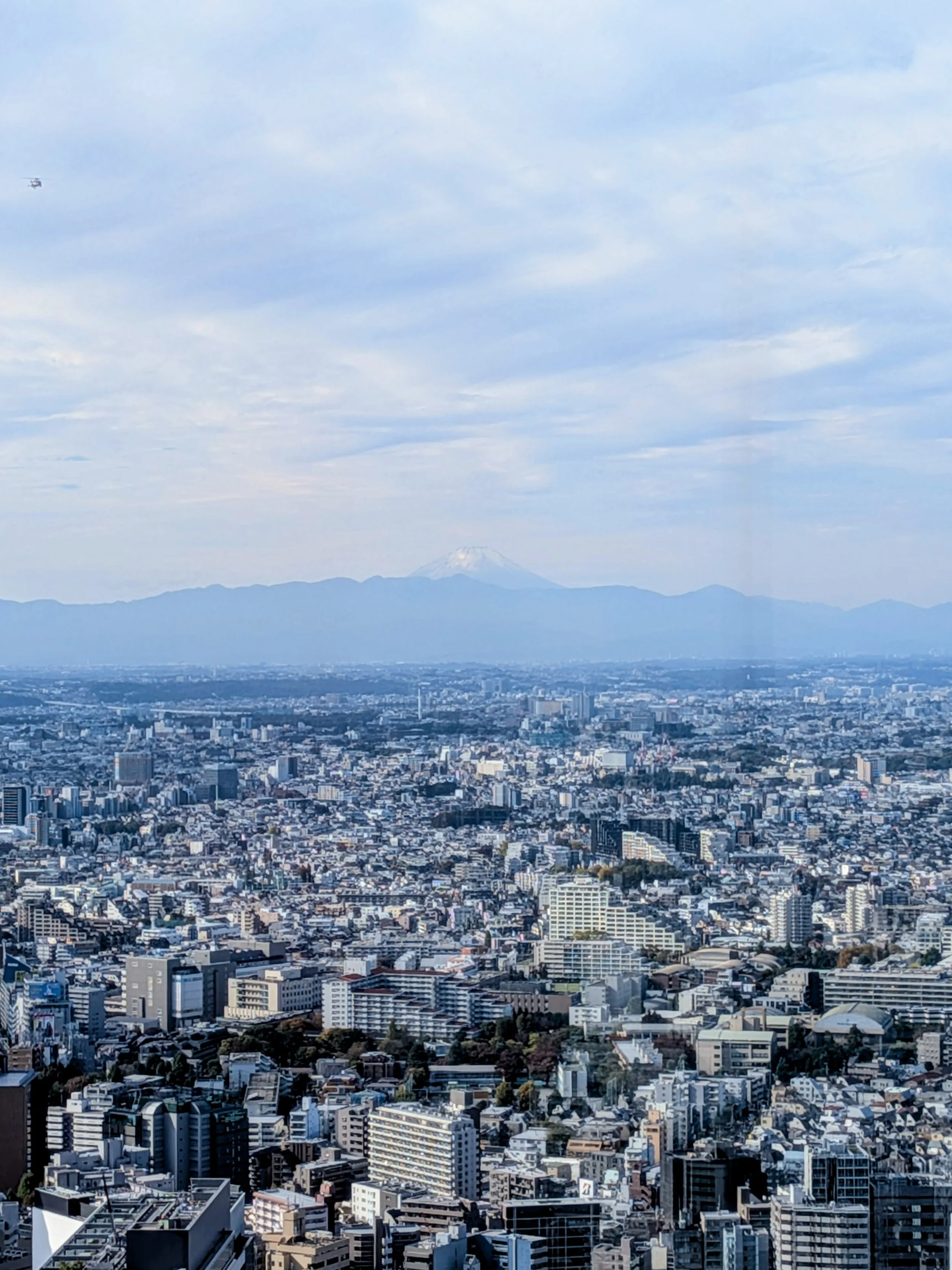
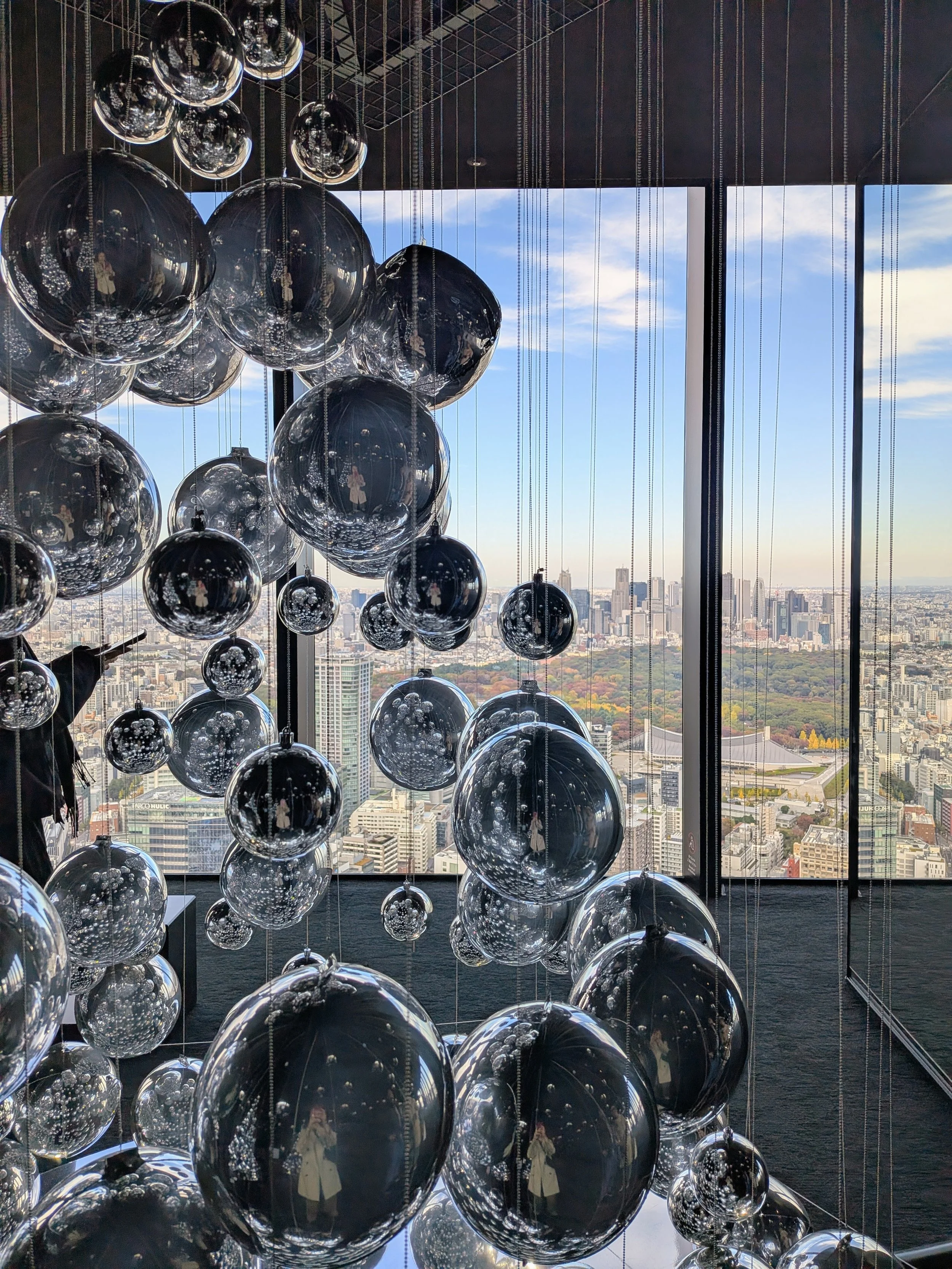
Wednesday morning started at Dean & DeLuca Cafe for pastries and matcha mascarpone lattes as we people watched and listened to my parents’ adventures of Kyoto and Hiroshima. Luckily the temps were in the mid-60s with generally clear skies so it was a good day to visit Shibuya Sky, a popular observation deck with panoramic views of Tokyo. At 750 feet high, you can see the Tokyo skyline, Yoyogi Park, Tokyo Skytree, and even Mt. Fuji. The top level is their outdoor viewing deck and the floor below is an indoor viewing level filled with different art installations. Many reviews say to go to Shibuya Sky during sunset (sunset views with Tokyo’s iconic neon lights in prime contrast) but it was very peaceful being one of the first groups to go up that morning.
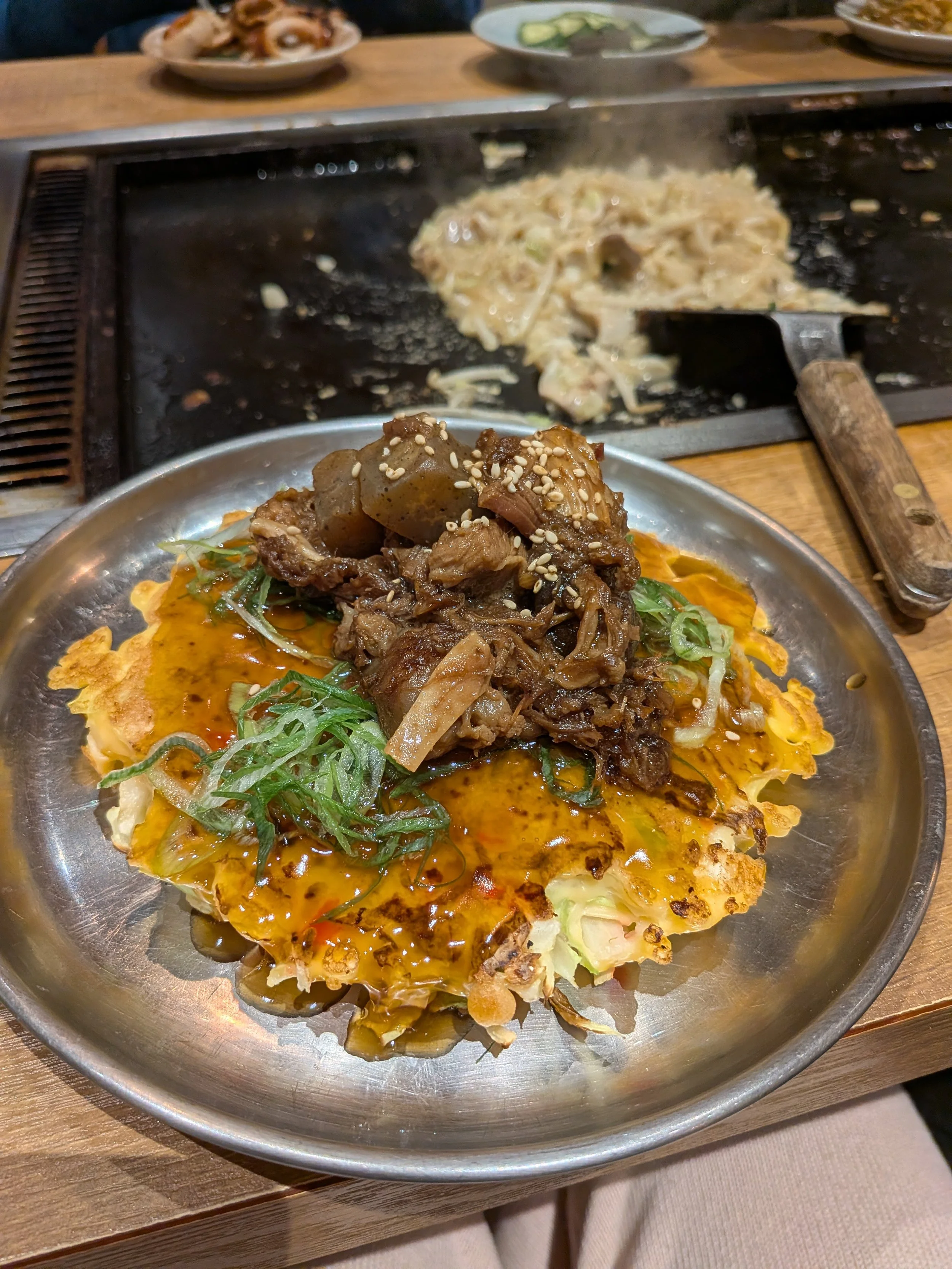
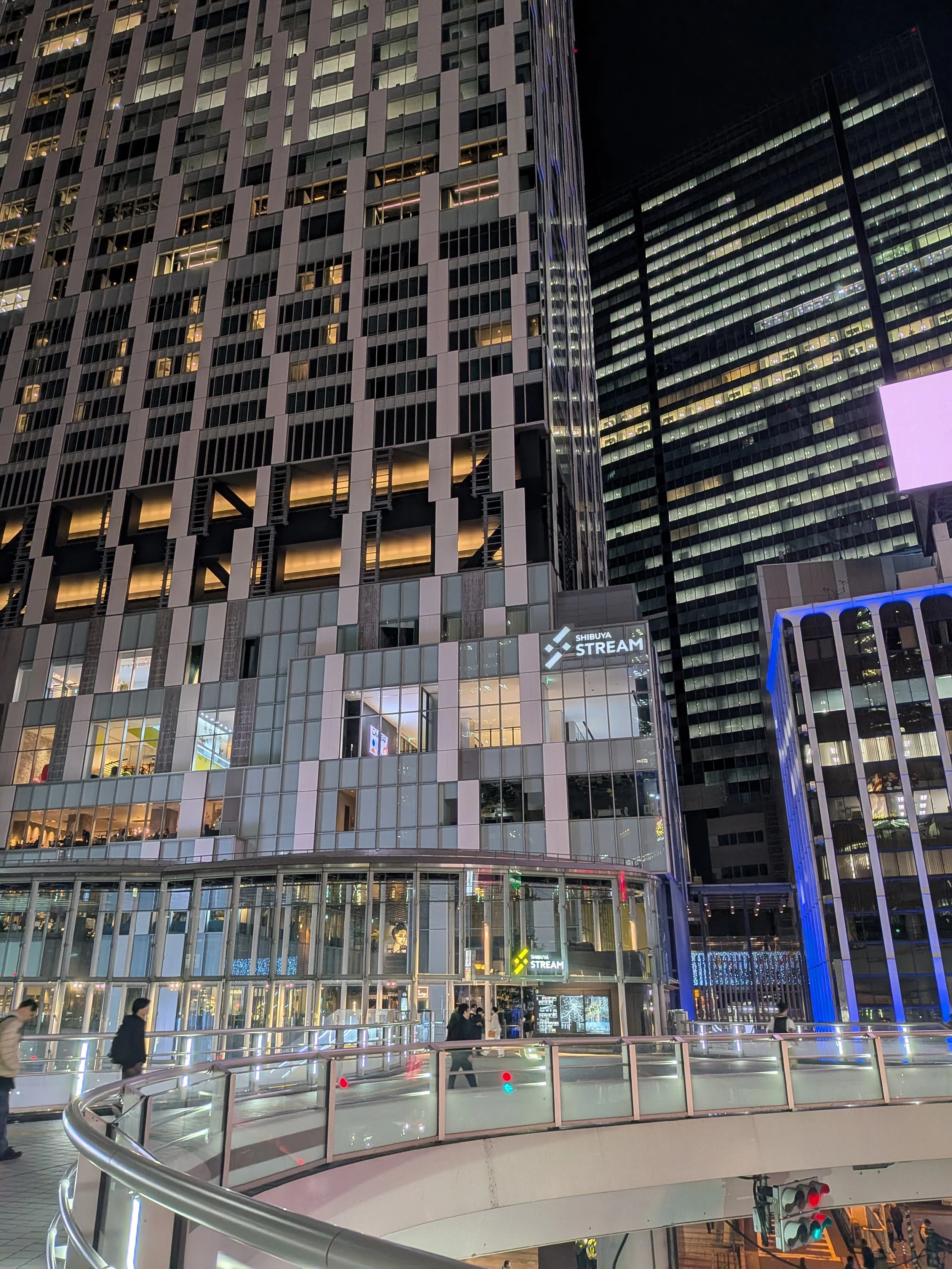
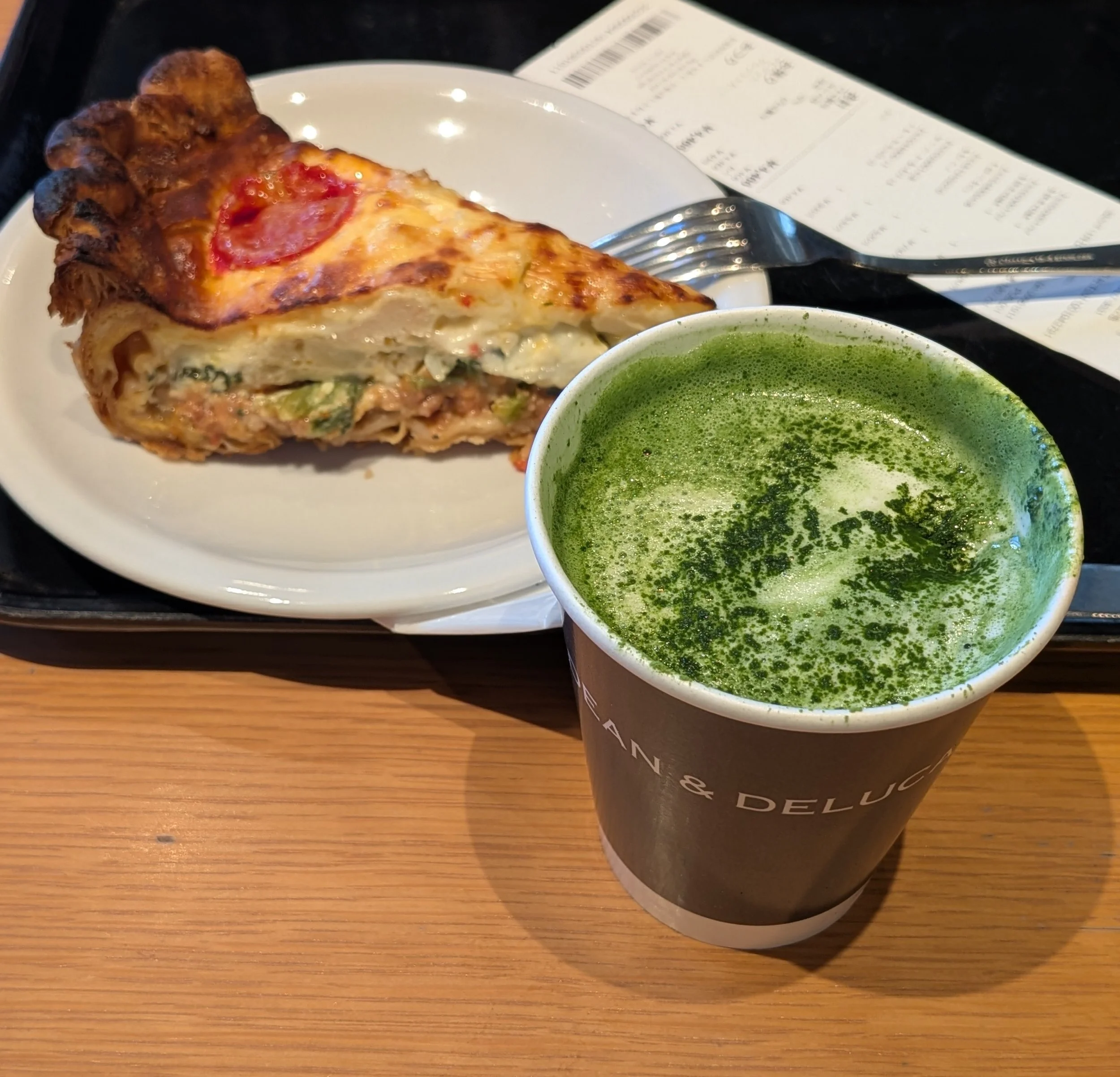
After the tranquility of Shibuya Sky, we returned to the hustle and bustle below and walked through Shibuya Scramble Square Building, a high rise shopping mall with mid to high fashion brands. The building also connects to Shibuya Station which made it convenient for us to hop on a quick train ride to Shinjuku. Since I didn’t have a digital suica card (Mark had full cell service; I only had wifi), I learned the hard way how Tokyo’s train system works: You are charged when you exit your destination terminal so you need to keep your ticket that you inserted at your origin. I didn’t know this or I wasn’t paying attention when Mark reminded me (definitely the latter) so I didn’t take my ticket and did not have anything to insert when exiting. I ended up being that tourist who was forced to go to the info booth and pay the attendant double in order to exit.
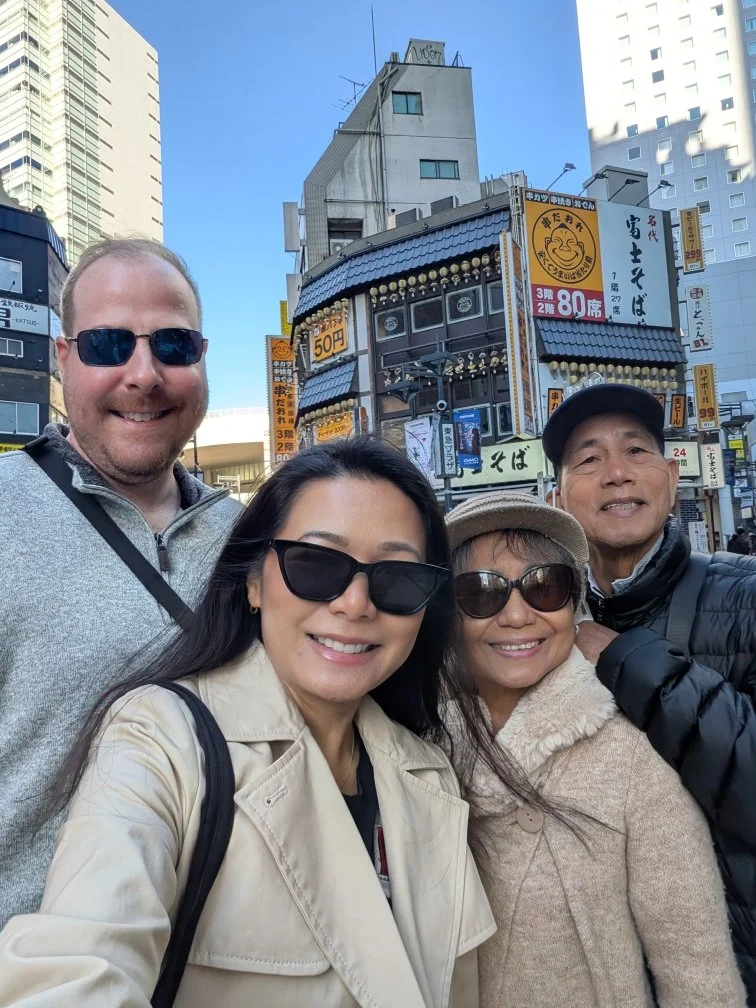
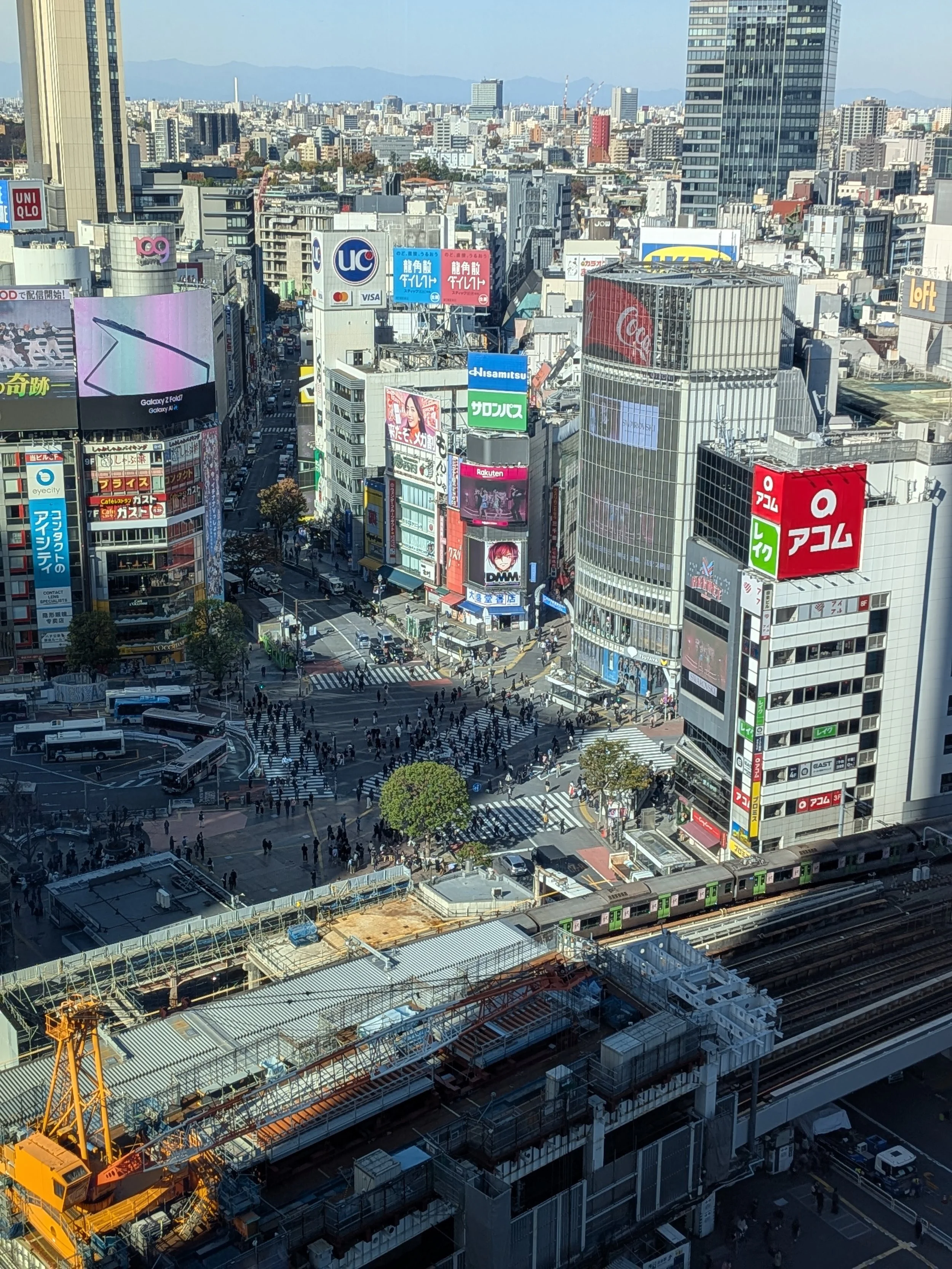
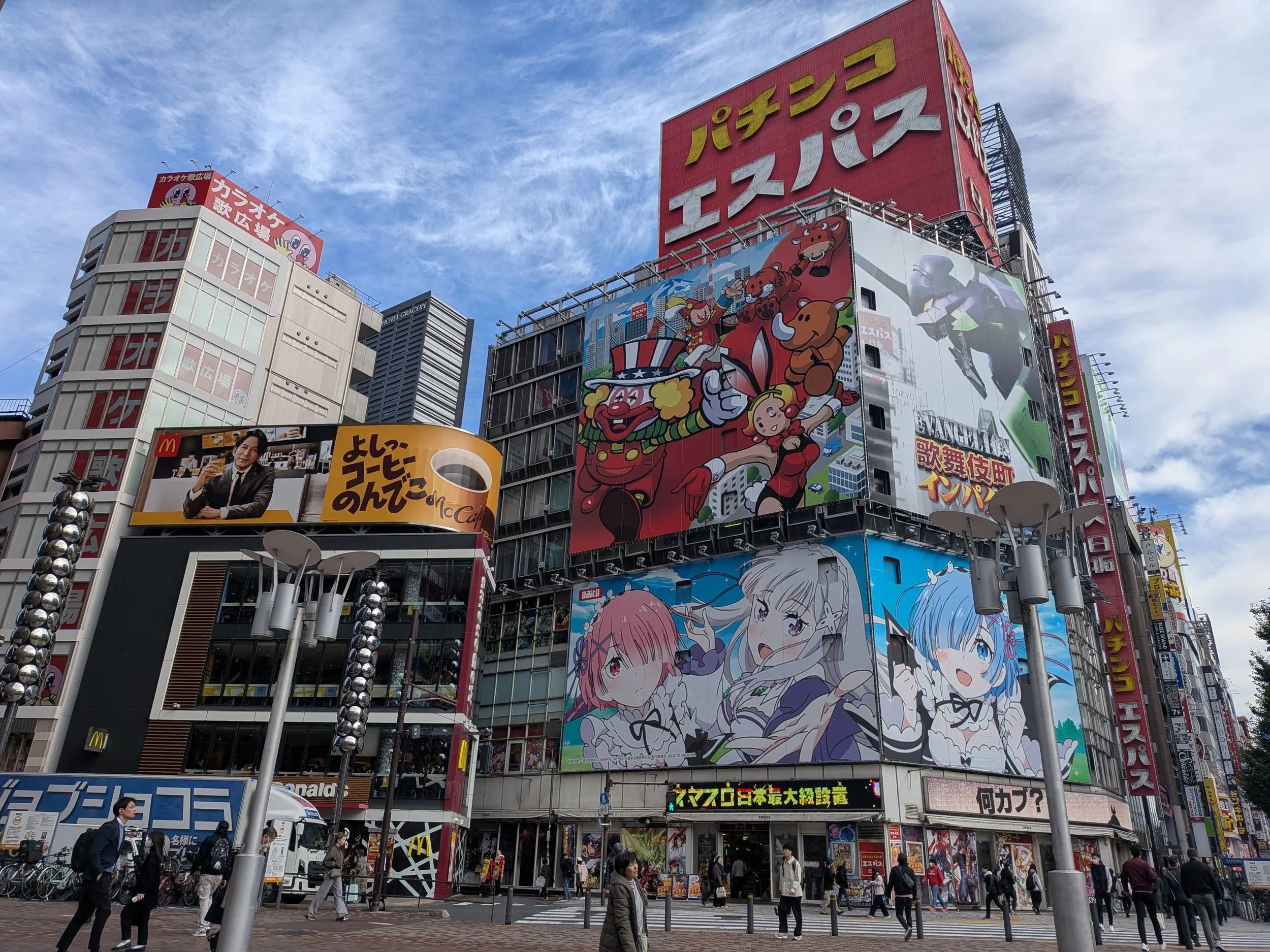
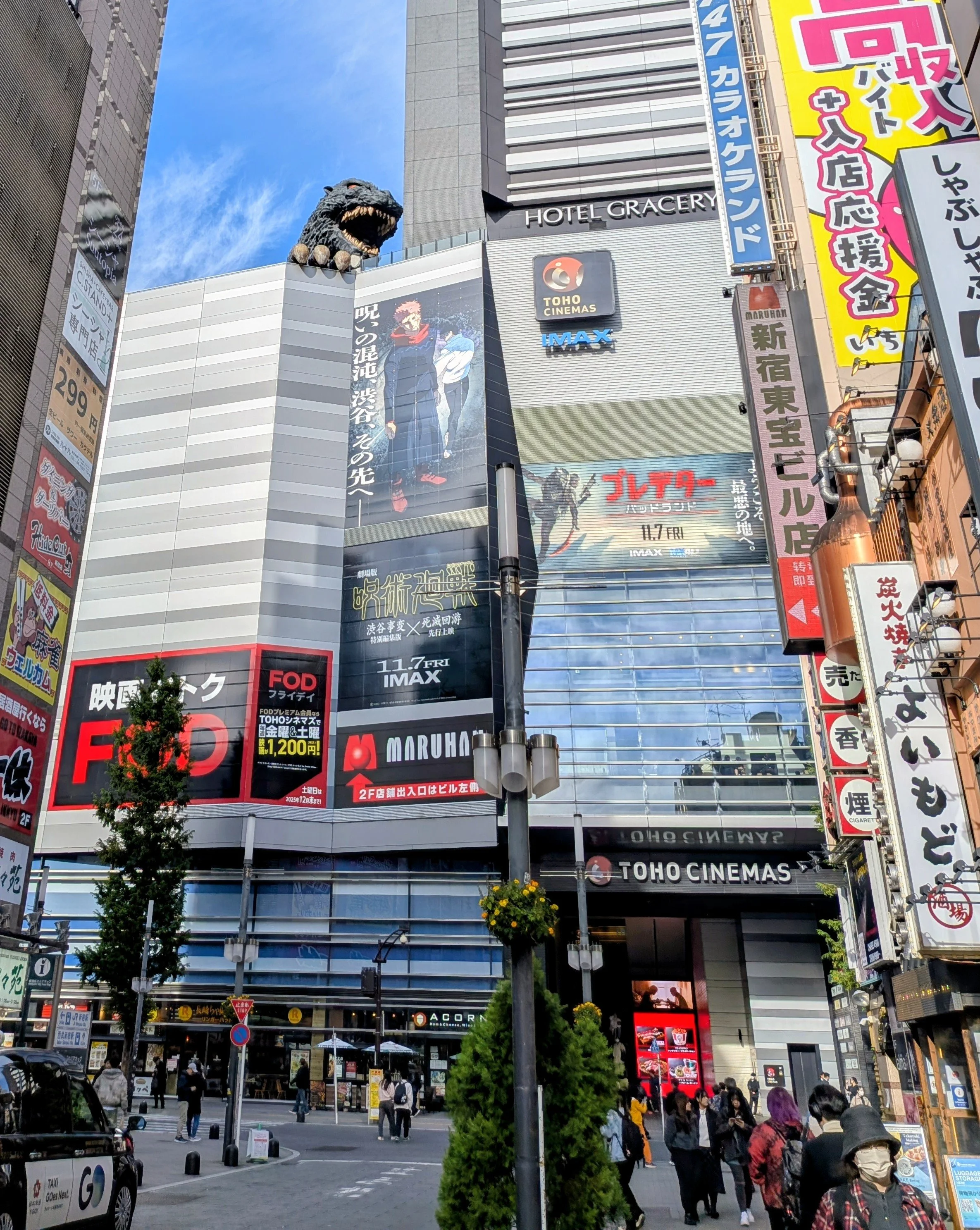
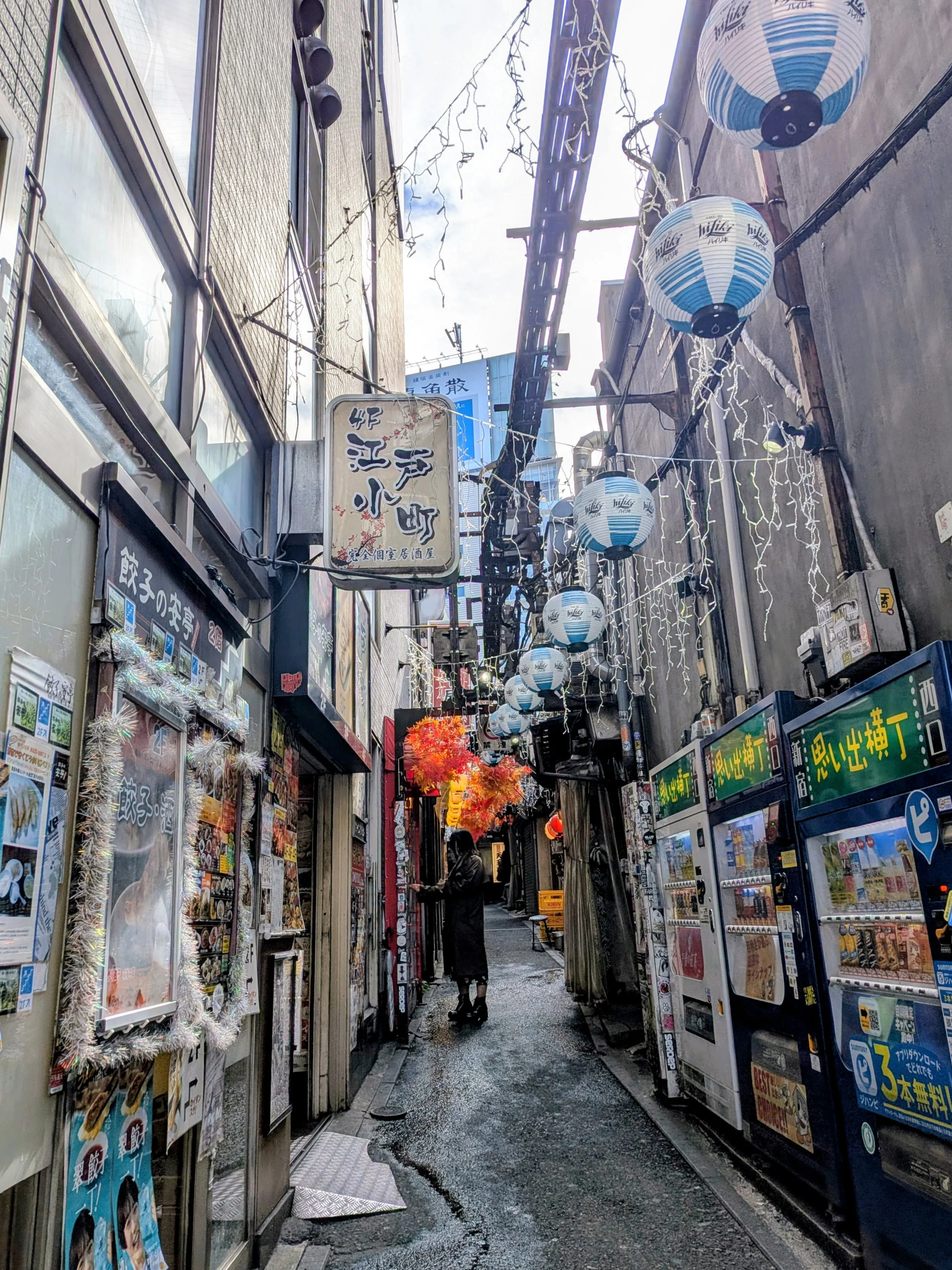
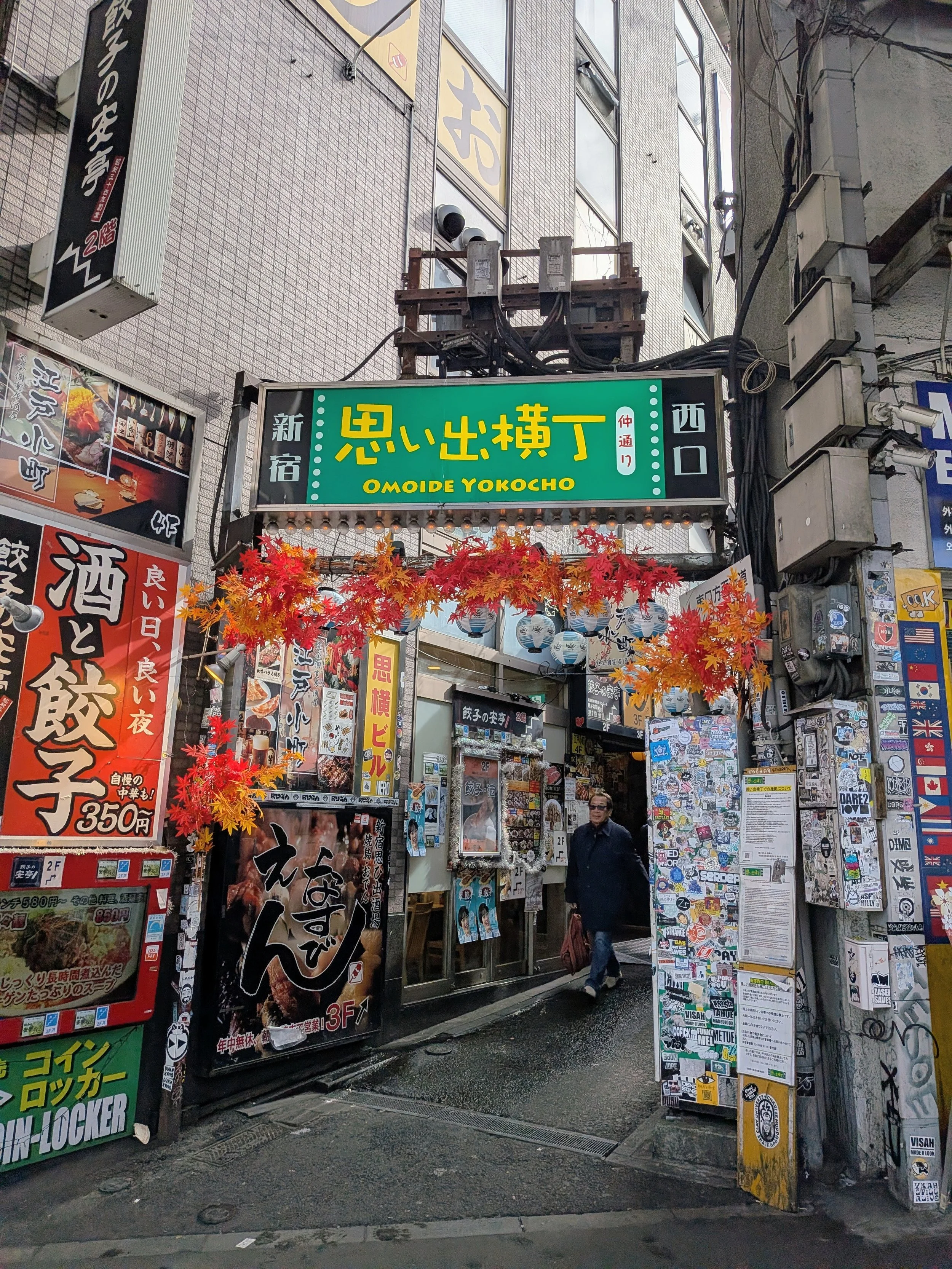
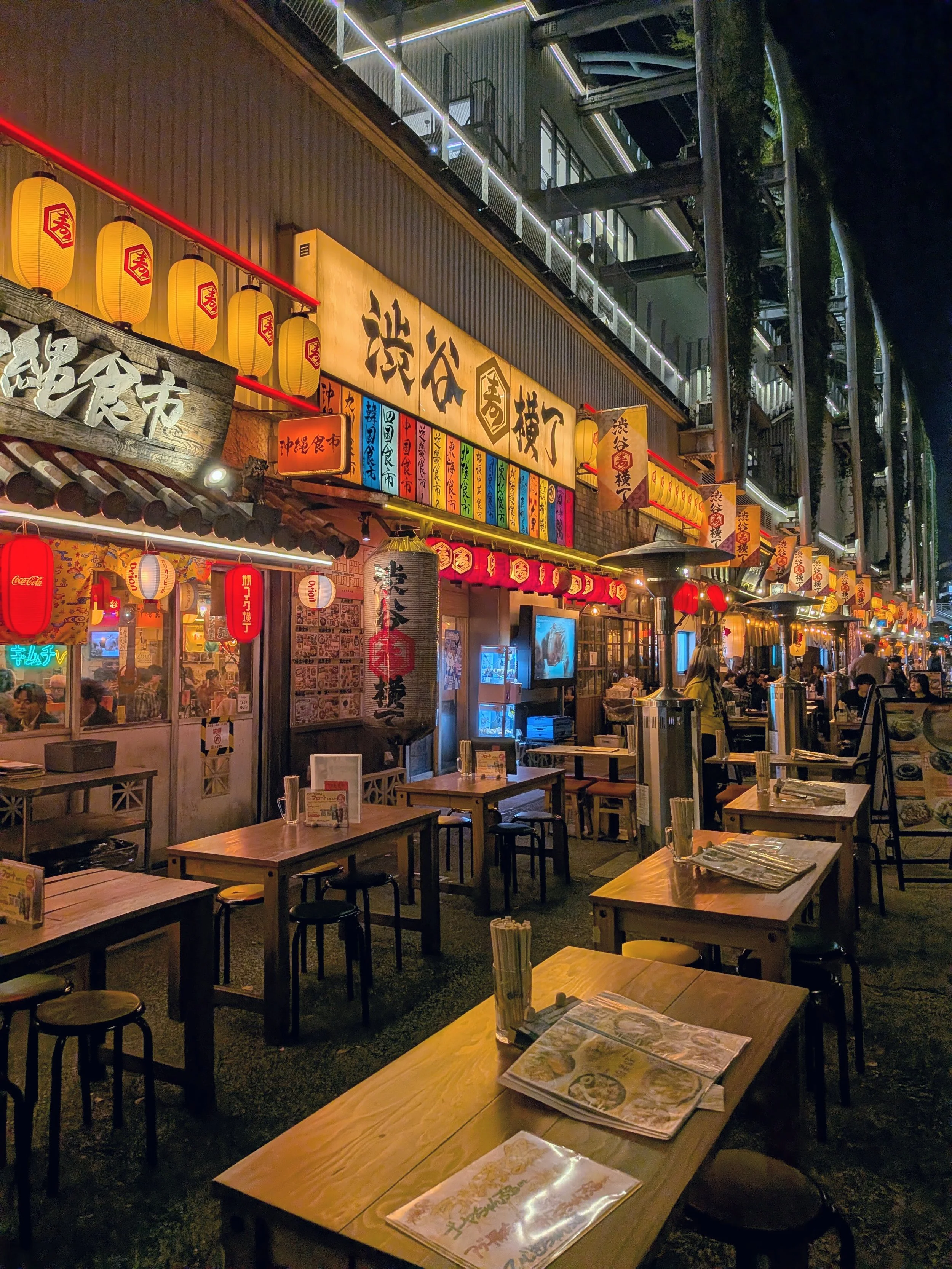
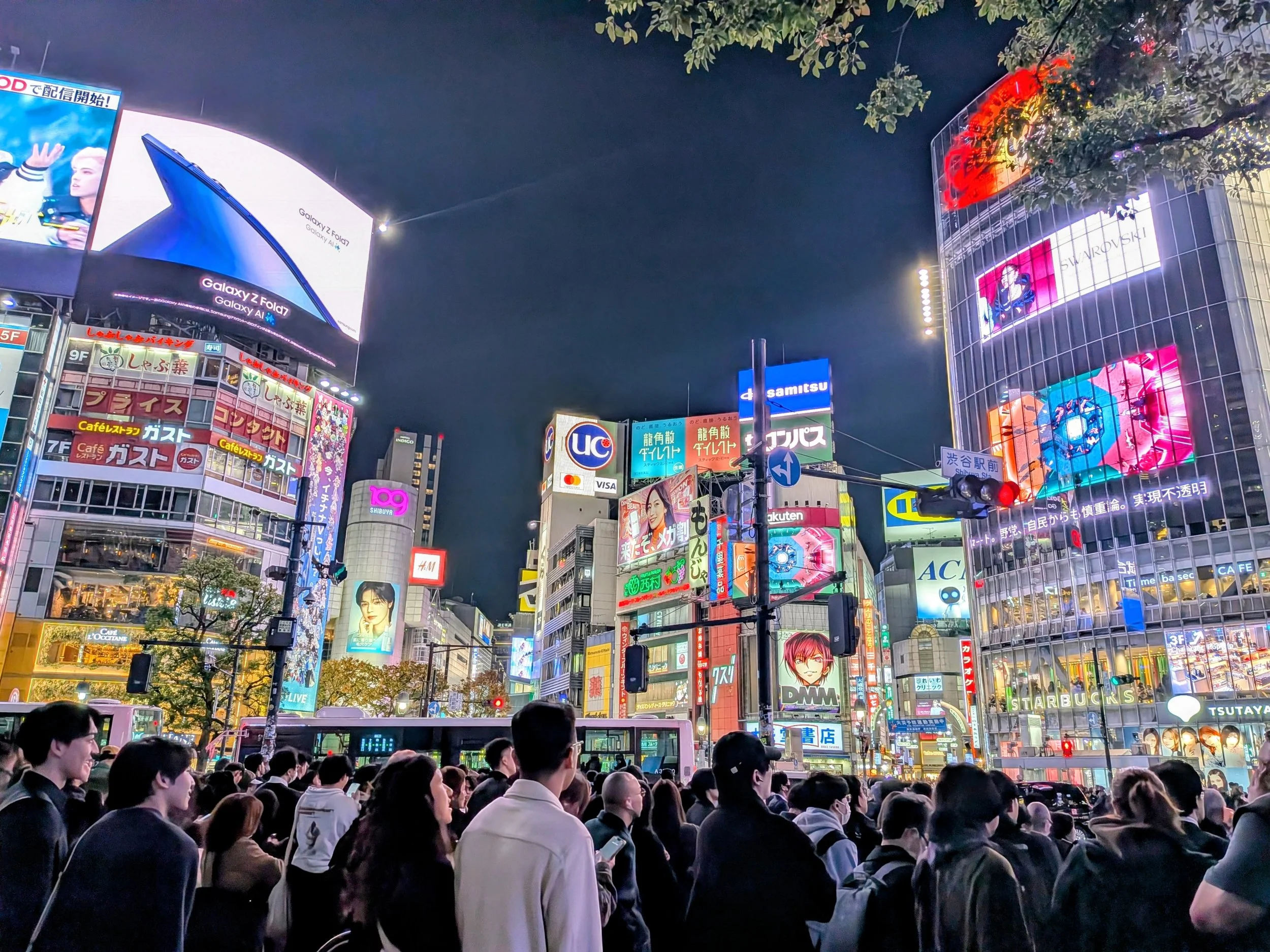
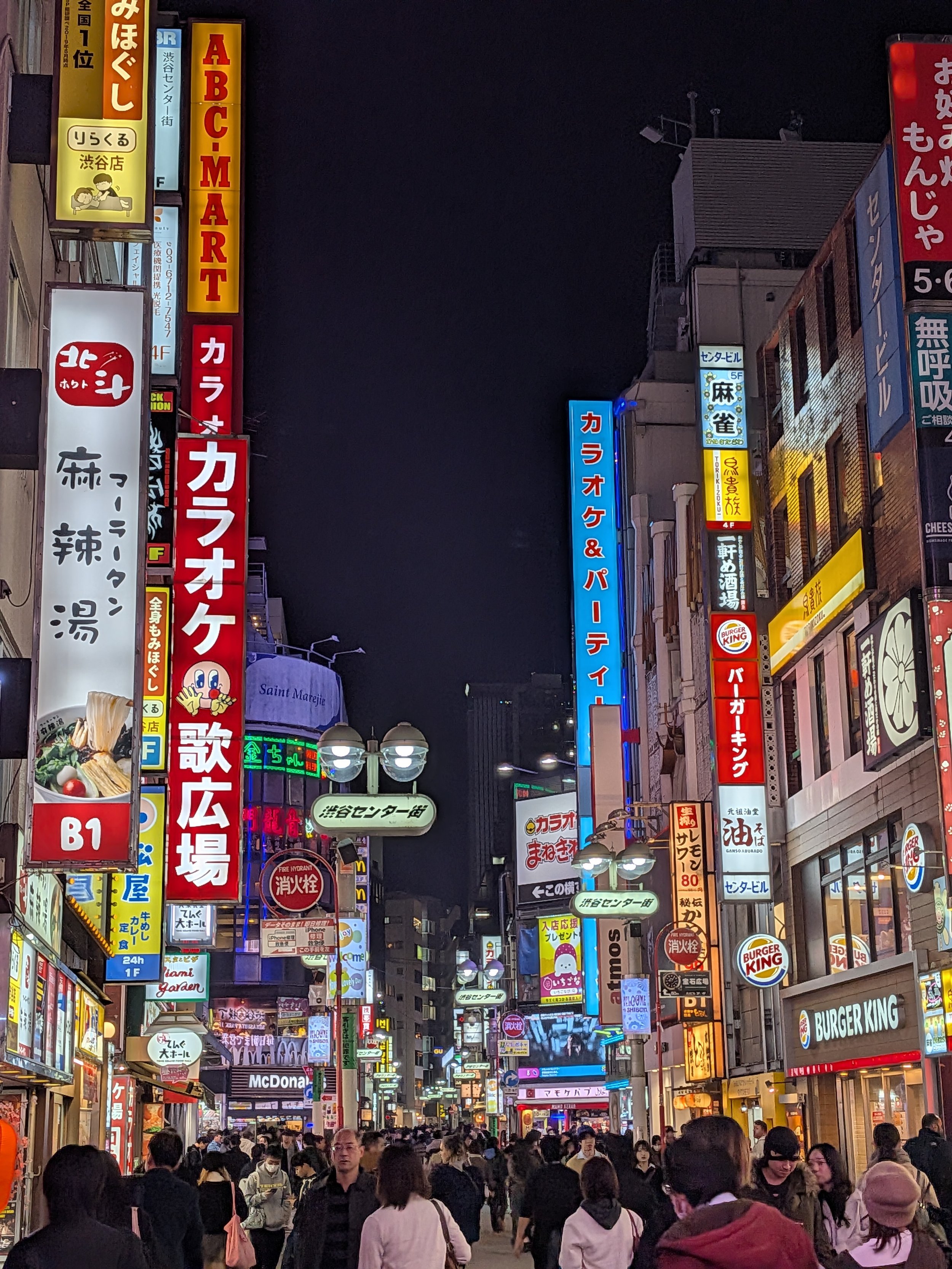
Shinjuku is very similar to Shibuya with similar shops and attractions but leans more towards the young, trendy and more provocative. As we meandered without a specific destination, we passed by many narrow alleys filled with dive bars and adult entertainment venues. Many places were closed in the early afternoon, but you can tell that Shinjuku has a lively nightlife. Side note: friends who have been to Tokyo gave us a heads up that Shinjuku is not as refined as other neighborhoods and wouldn’t recommend finding accommodations in Shinjuku. We can confirm that this is generally true and is a better place for entertainment. After getting our steps in, we popped into Kinzuna for sushi and headed back to our hotel for some downtime and another matcha latte. In the evening, we walked 10 mins from our hotel to the famous Shibuya Scramble Crossing and walked the world’s busiest pedestrian crossing alongside ~3000 people. The area surrounding Shibuya Scramble has contagious energy, and combined with Tokyo’s famous neon signs and themed restaurants, we were absolute tourists and loving every minute of it.

Asakusa
Thursday morning started with yet another Dean & DeLuca matcha followed by a morning walk to Mega Don Quijote. Don Quijote… IYKYK but Shibuya has the Mega DQ which I could write a separate blog about. The concise version is that Don Quijote is a very popular store in Tokyo where tourists go to buy souvenirs, ranging from stationery to luggage, and everything in between. This is where you lose all common sense but have no buyer’s remorse. In fairness, I know I will eventually use the 12 bottles of Japanese sunscreen that almost exceeded our luggage weight limit.
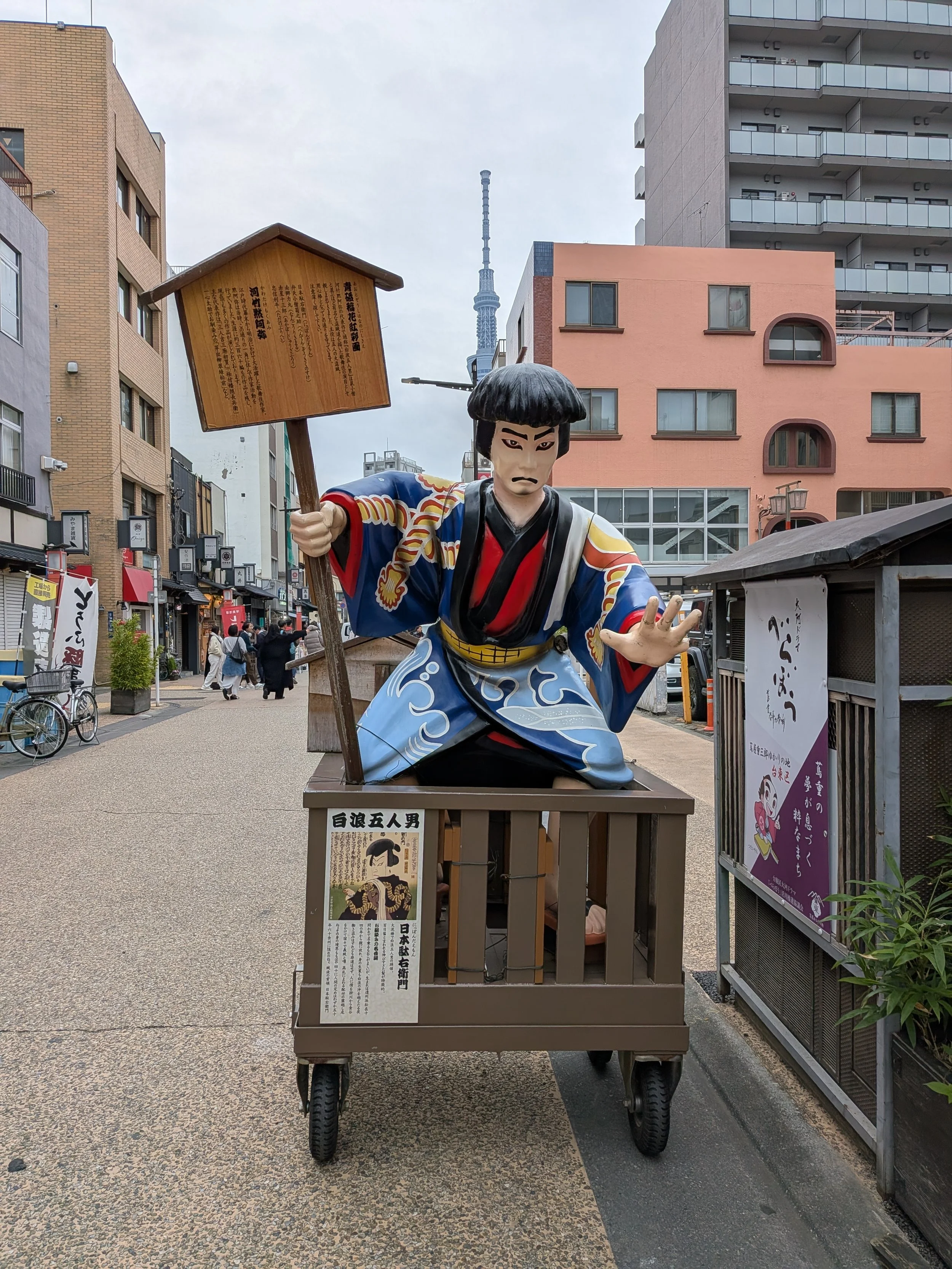
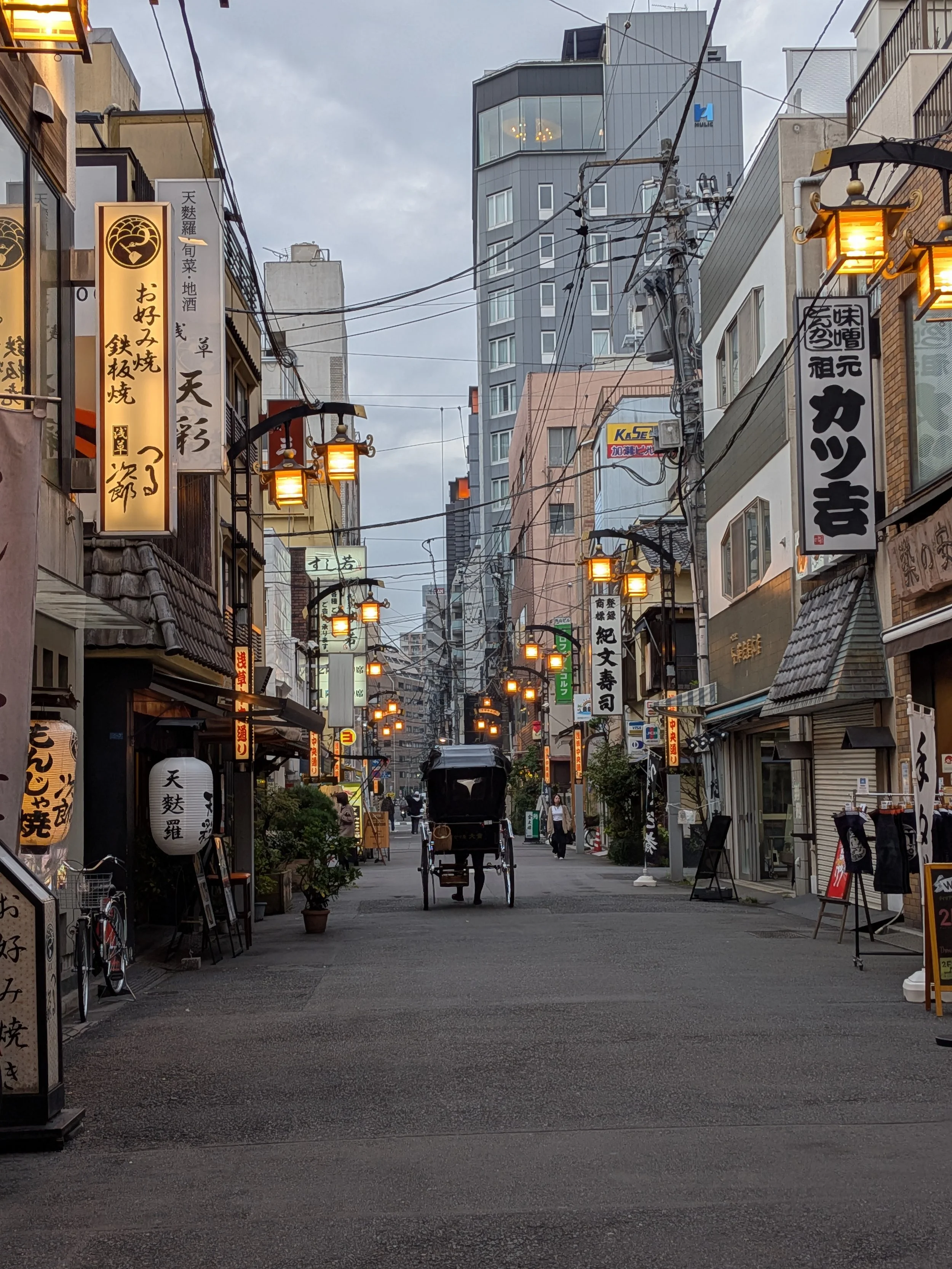
We spent the majority of the day in what turned out to be our favorite Tokyo neighborhood during this trip, Asakusa. From Shibuya to Asakusa is a 40 minute train ride with no transfers. Once you exit the Asakusa station you are welcomed by a sweeping calmness as you see people walking at a leisurely pace and the plethora of neon lights are replaced by independently owned shops that pay homage to historic Japanese artwork. Asakusa is a special place.
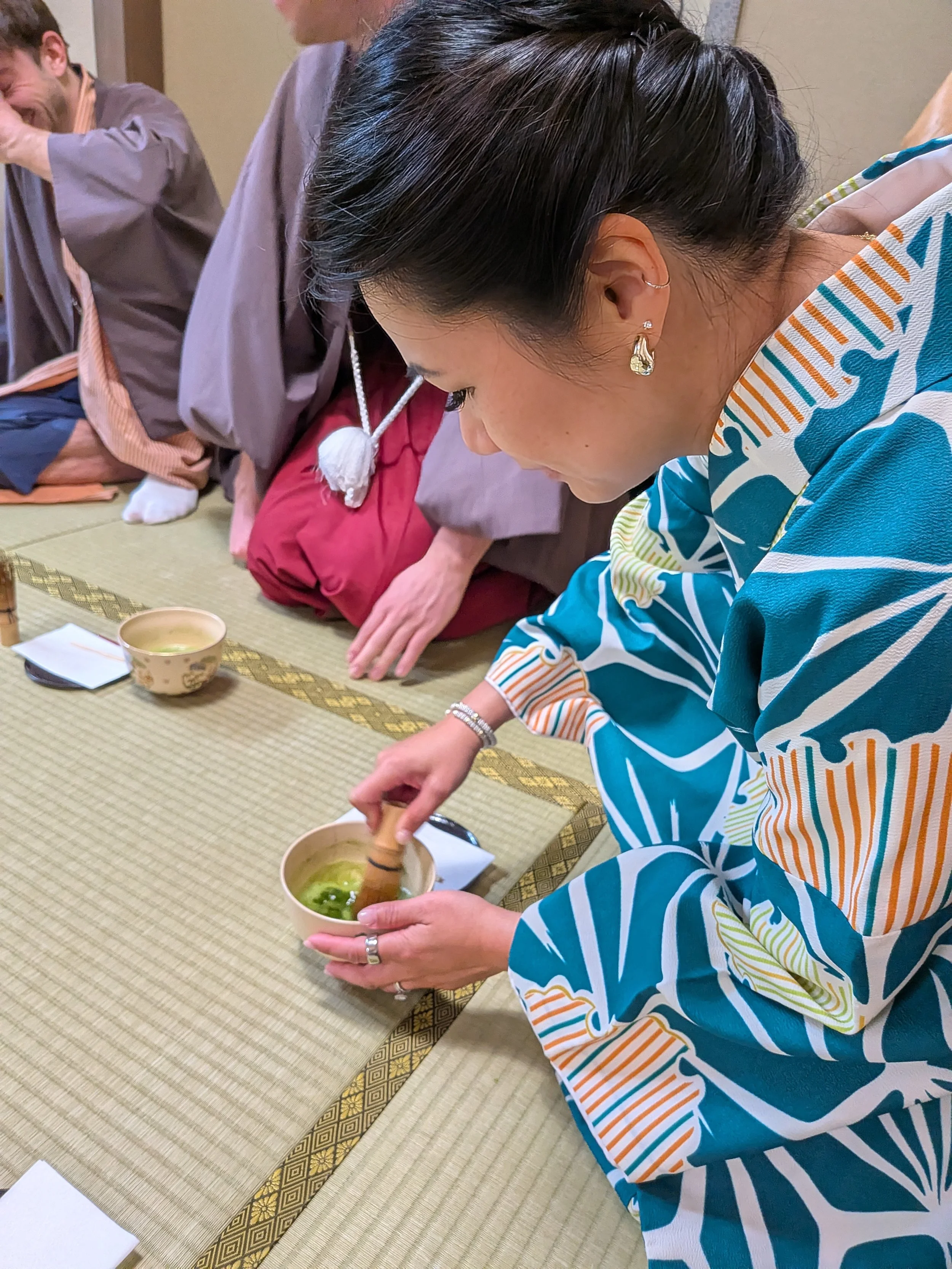
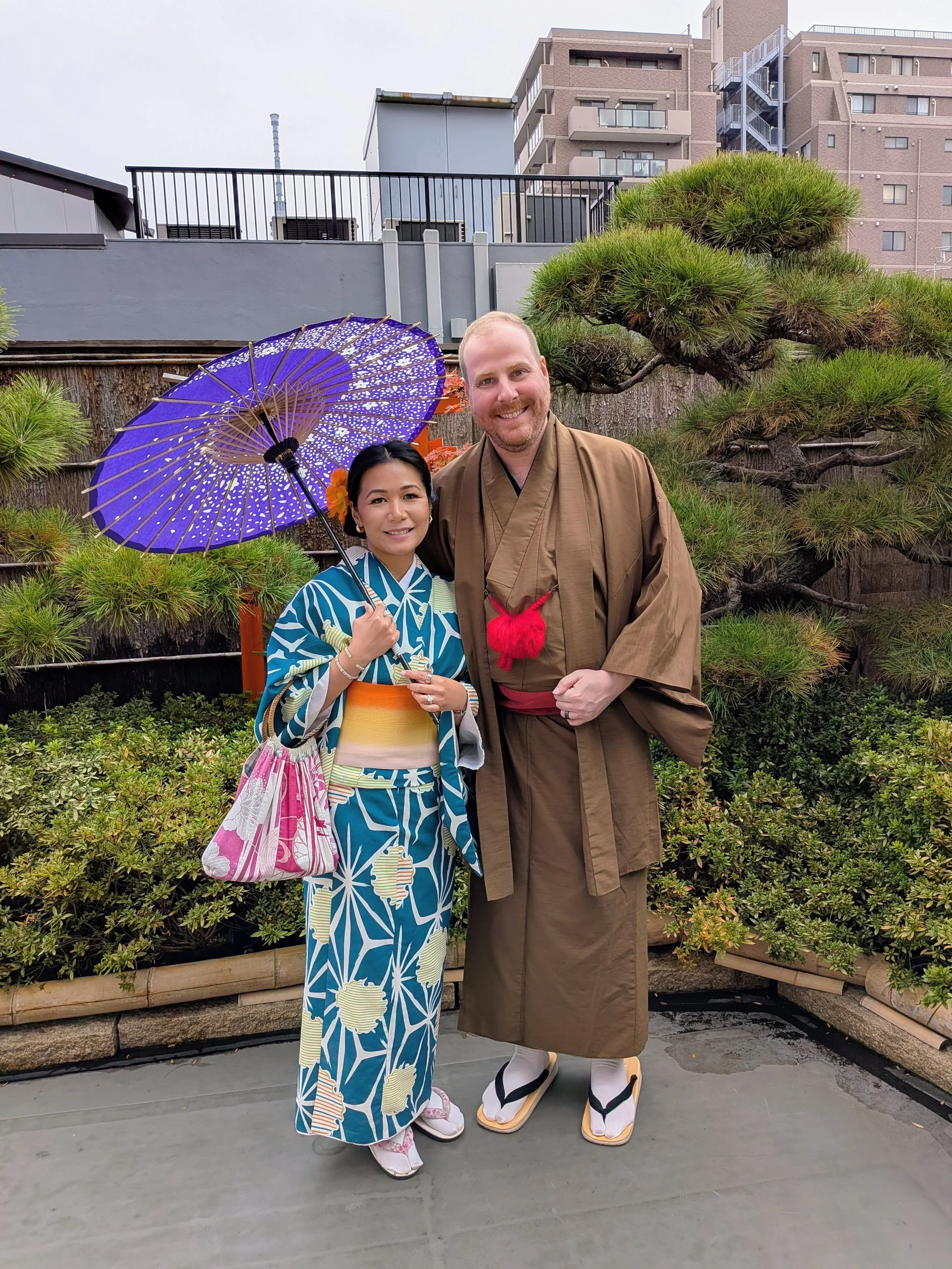
Any opportunity to learn about the local culture and immerse yourself in it serves as the best experiences so we made reservations a month prior for the Maikoya Kimono Tea Ceremony. Before the tea ceremony, they take the men and women to their respective changing rooms and have you choose a kimono to wear during the tea ceremony and for photo ops. When we were all changed, the attendant led us to our tea ceremony room where we met our most delightful tea ceremony hostess. She explained the origin of matcha tea, the procedure of traditional Japanese tea ceremonies, details of the room, and other interesting ceremonial facts. The Japanese are very intentional and profound people! After the tea ceremony and a failed attempt to whisk my matcha to get that perfectly smooth texture, we were able to take photos from their outdoor garden.
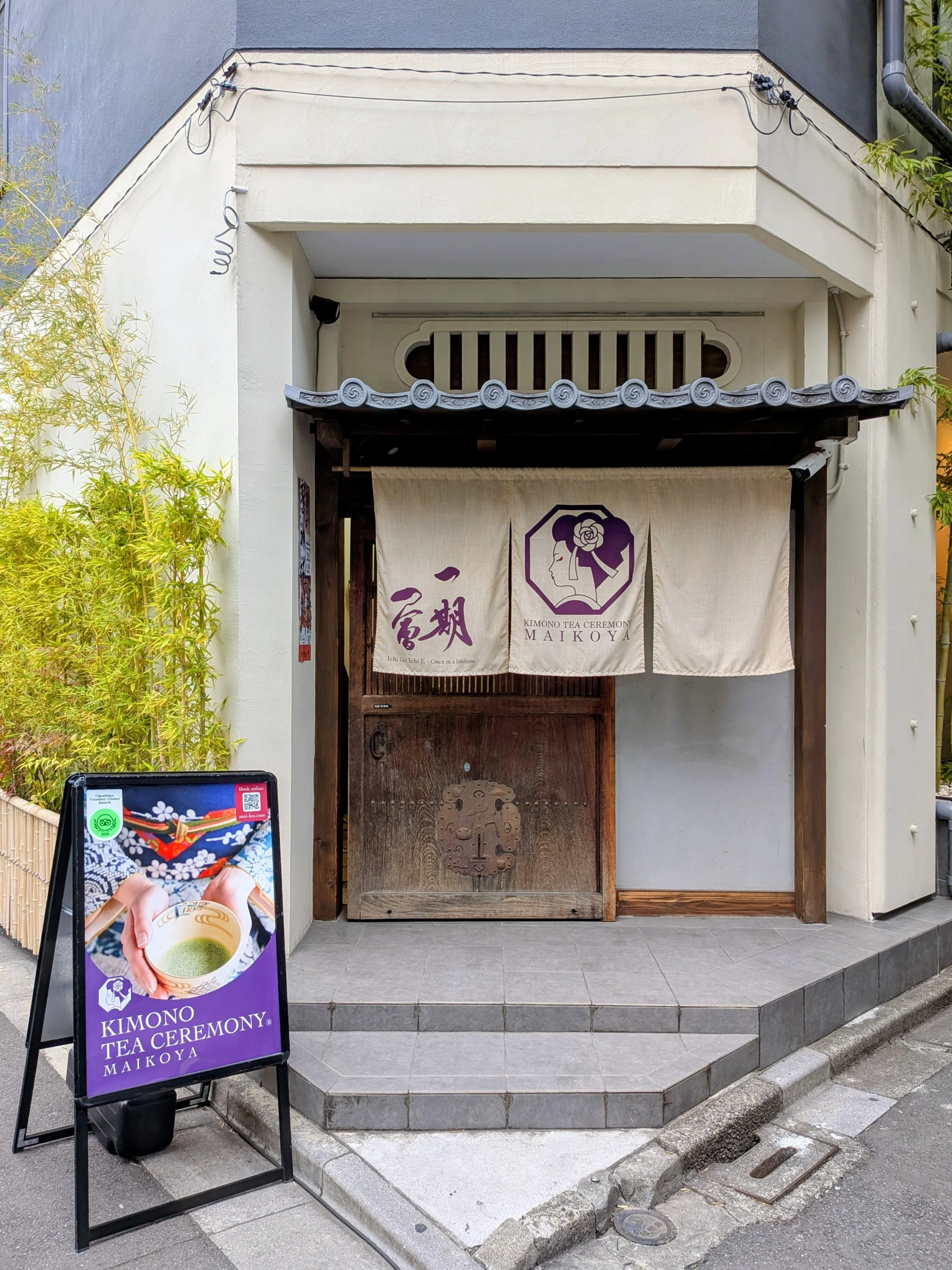
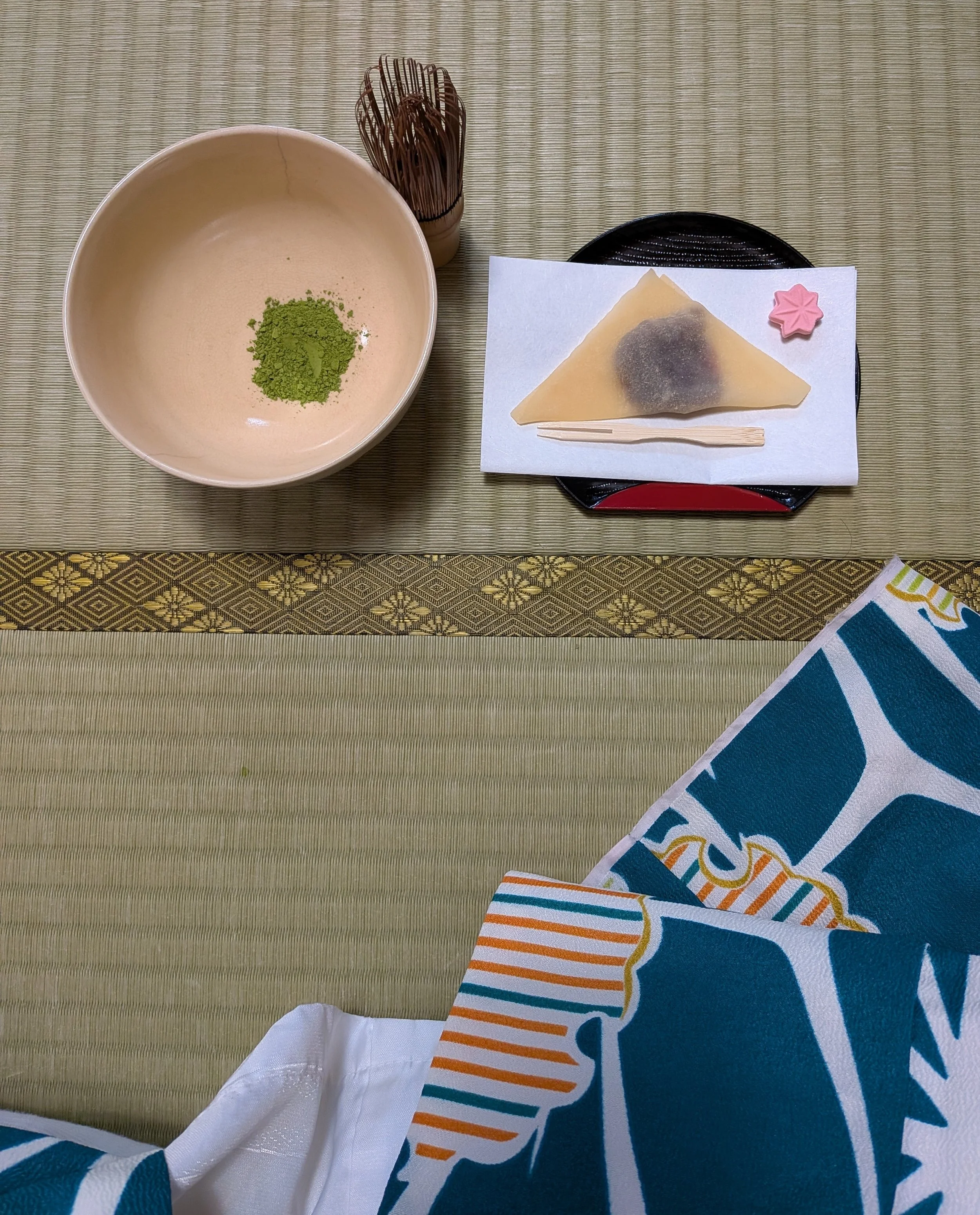
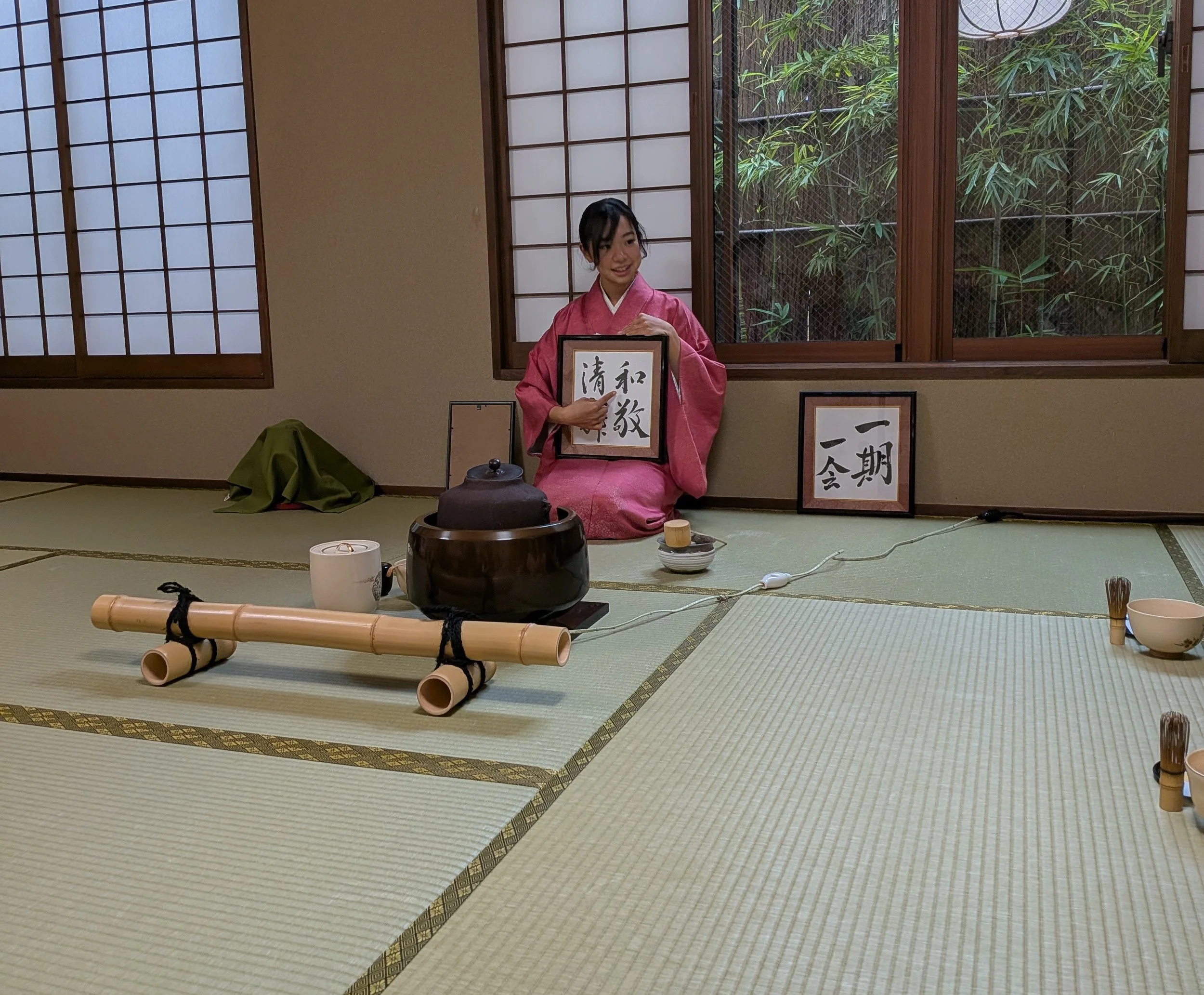
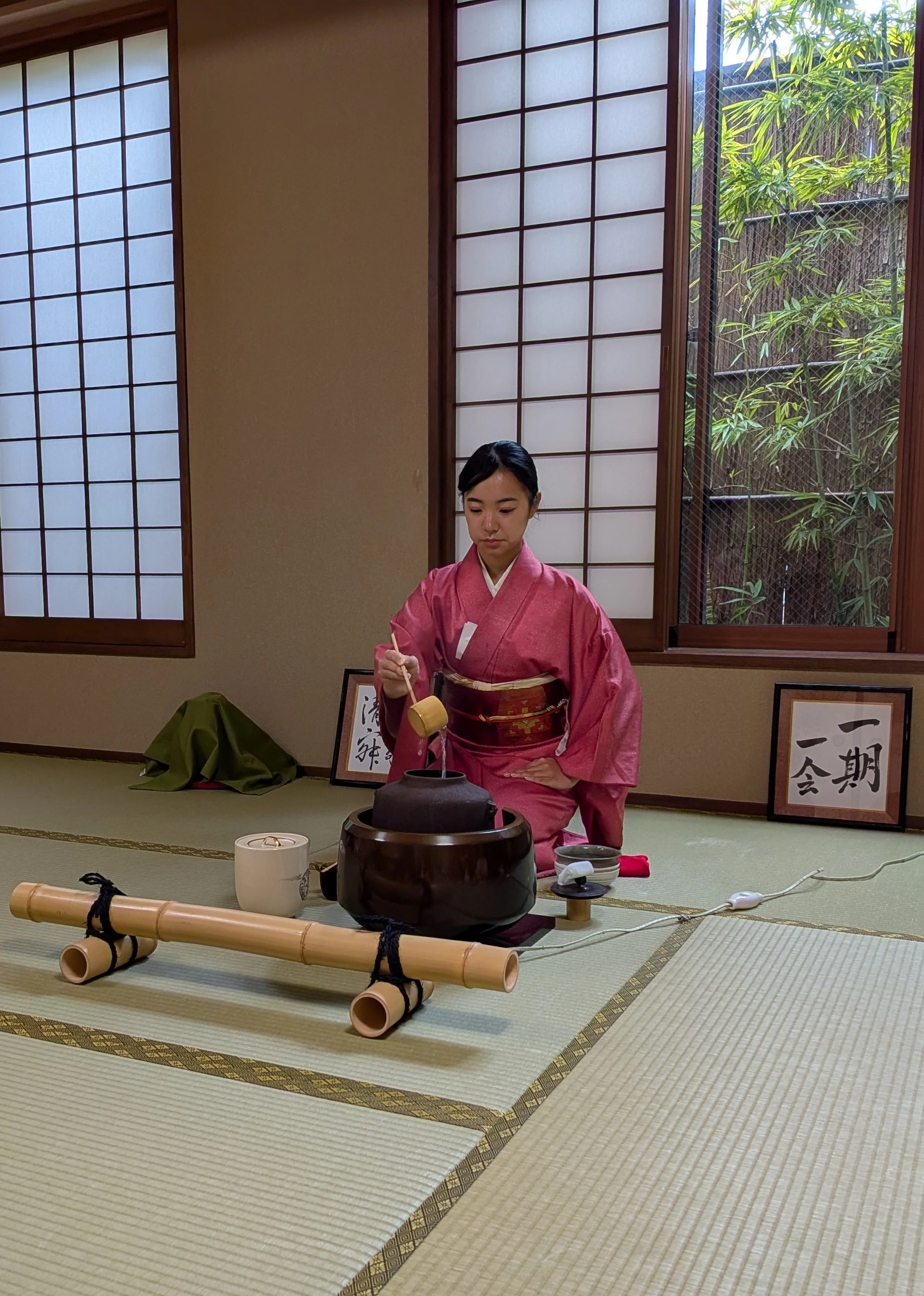
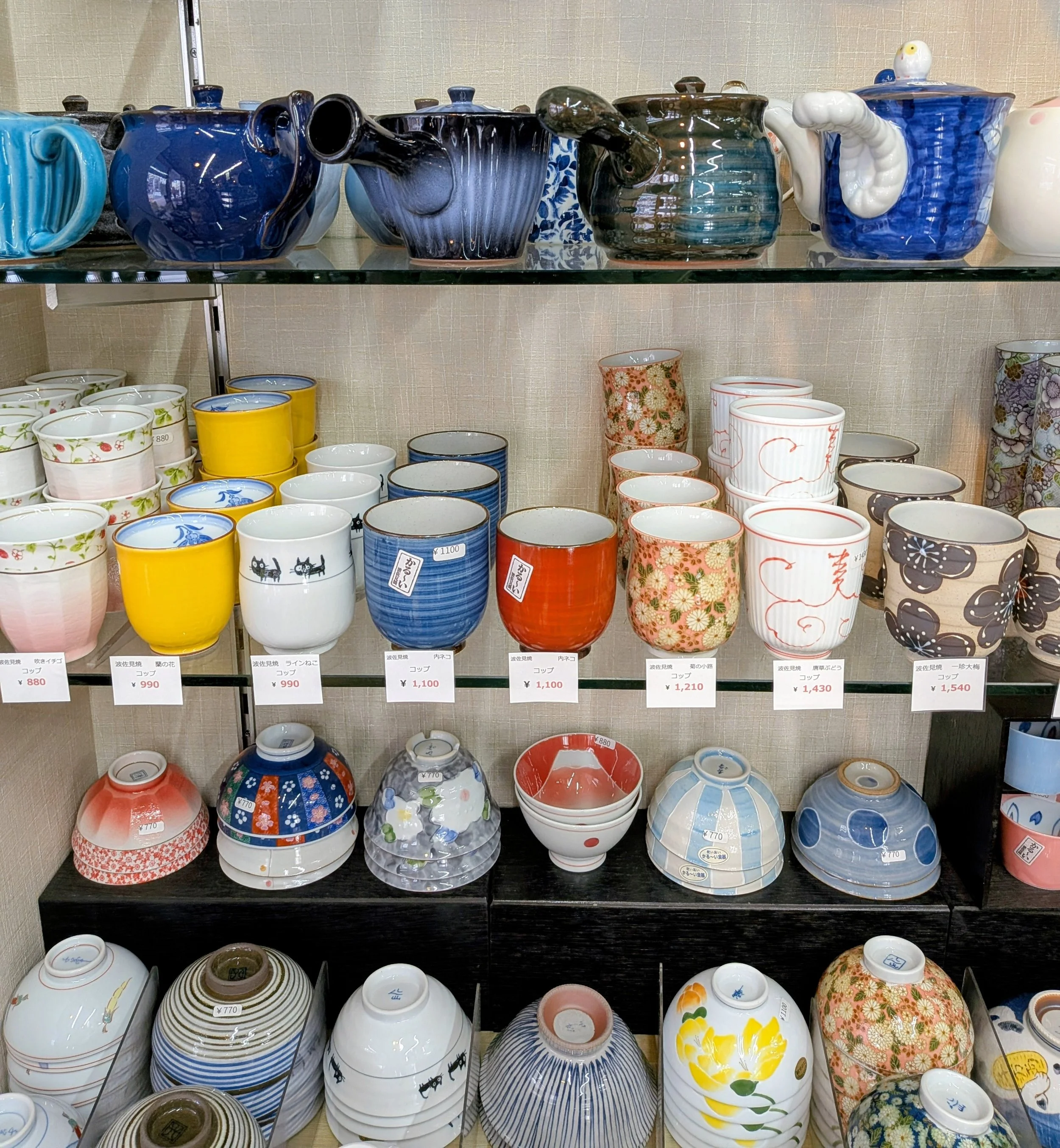
The tea ceremony is close to Asakusa’s downtown area so afterwards we walked down Kaminarimon Street to look at kitchenware. Asakusa is known for ceramics and kitchen knives so we went into a couple of stores including Yamakichi, where I purchased a beautiful handpainted ceramic mug. We ended up at their sister store, Honke-Kaneso, a knife shop since 1873 and Mark bought a custom kitchen knife with his initials engraved.
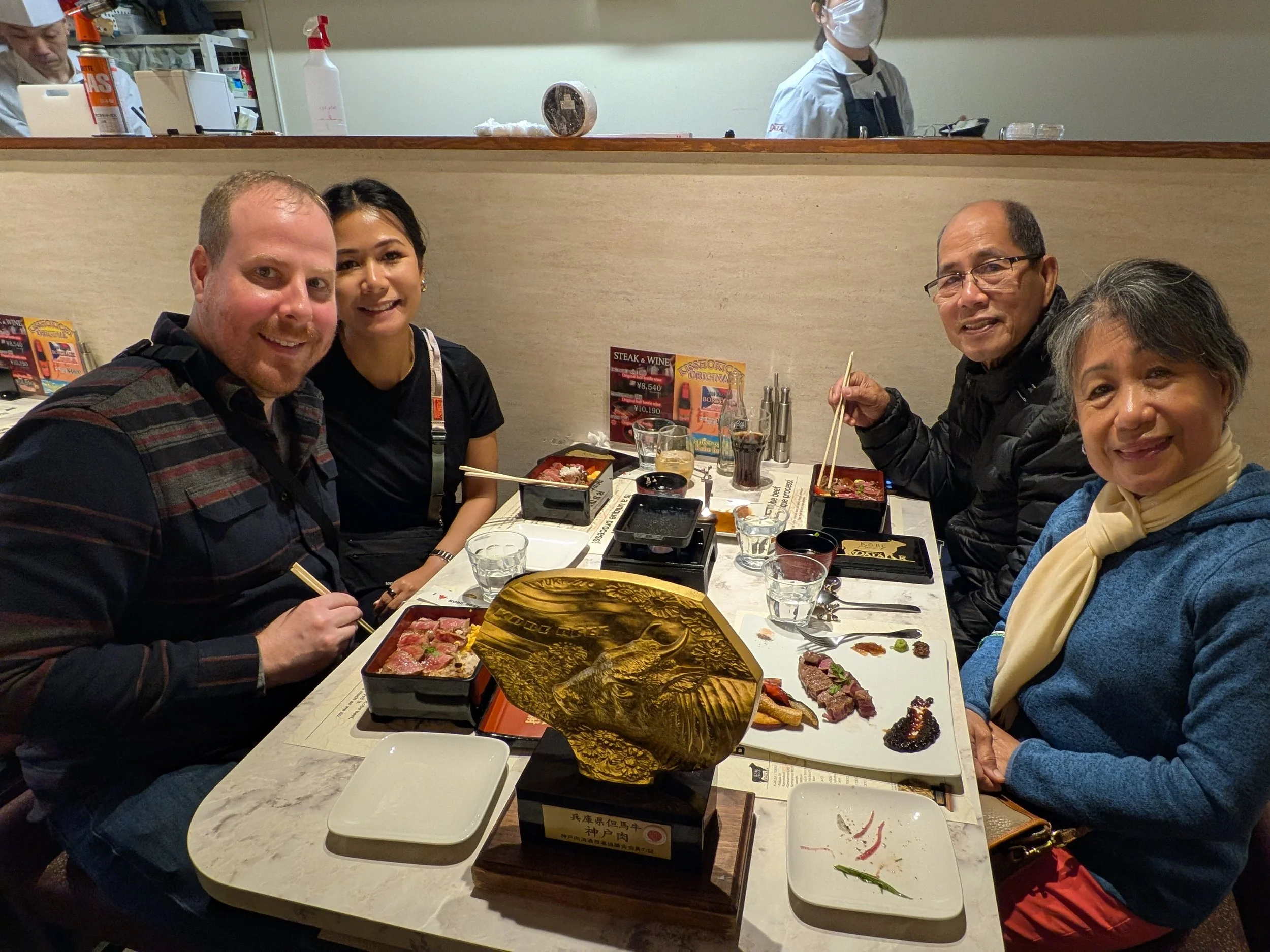
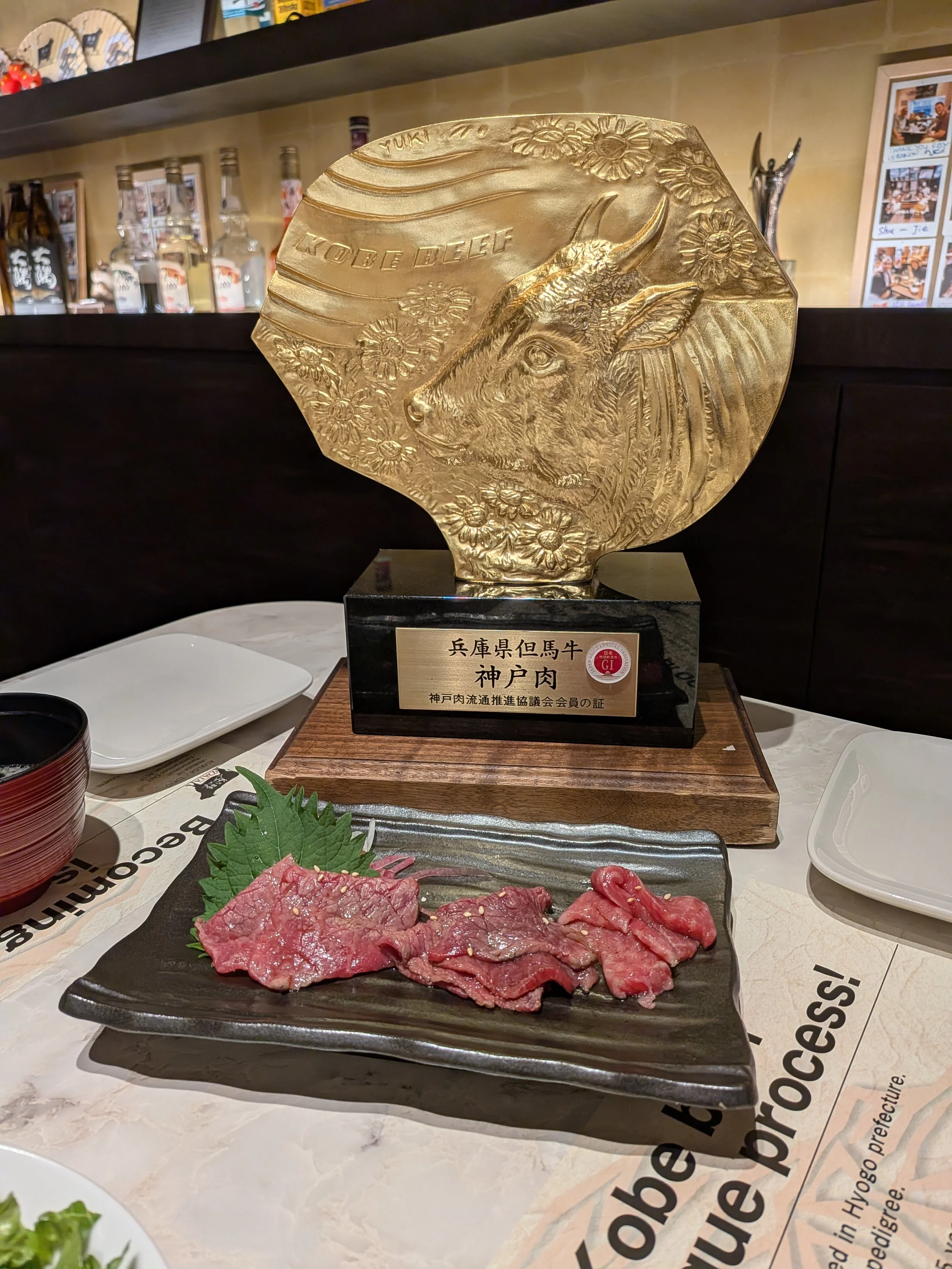
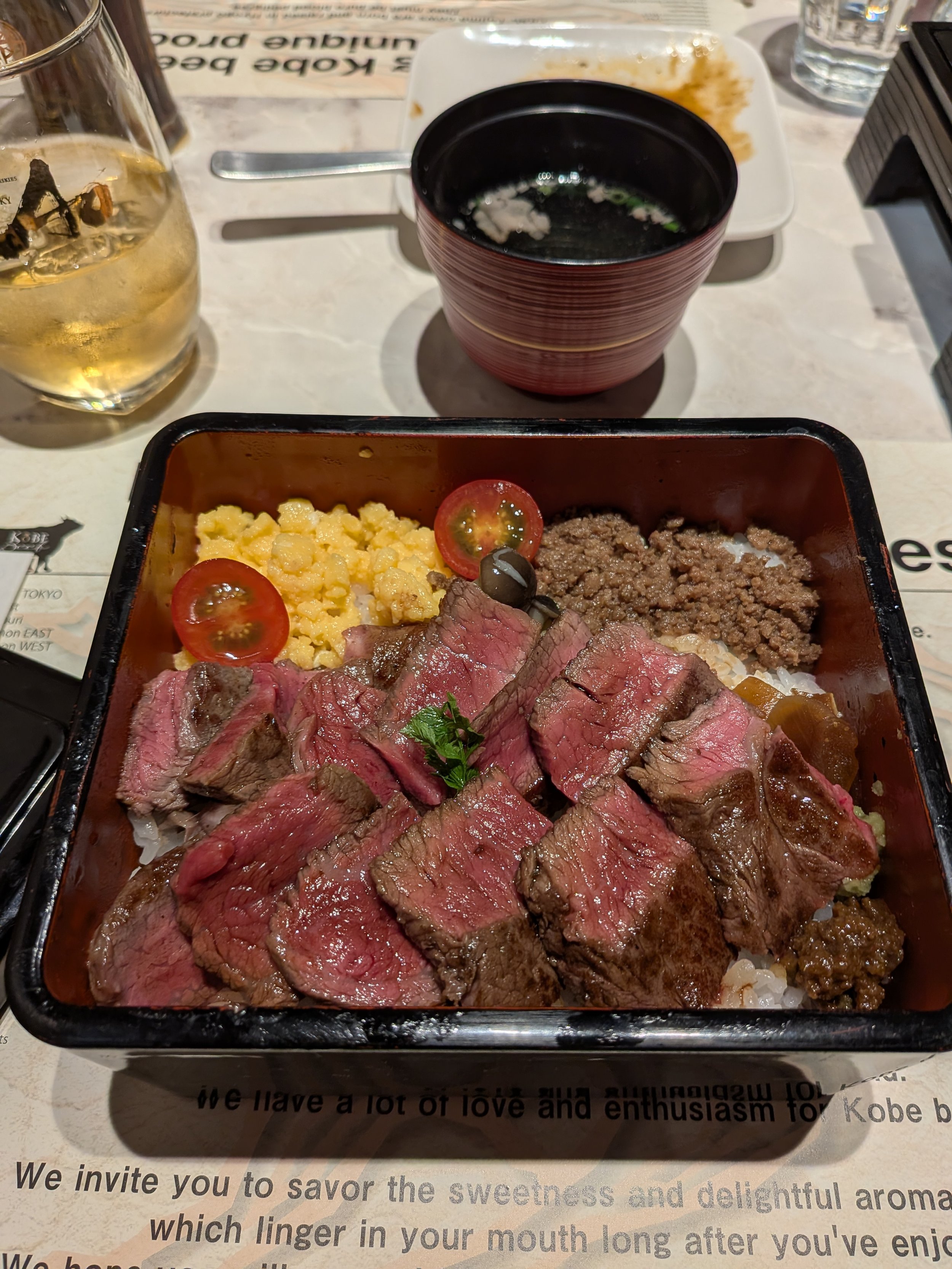
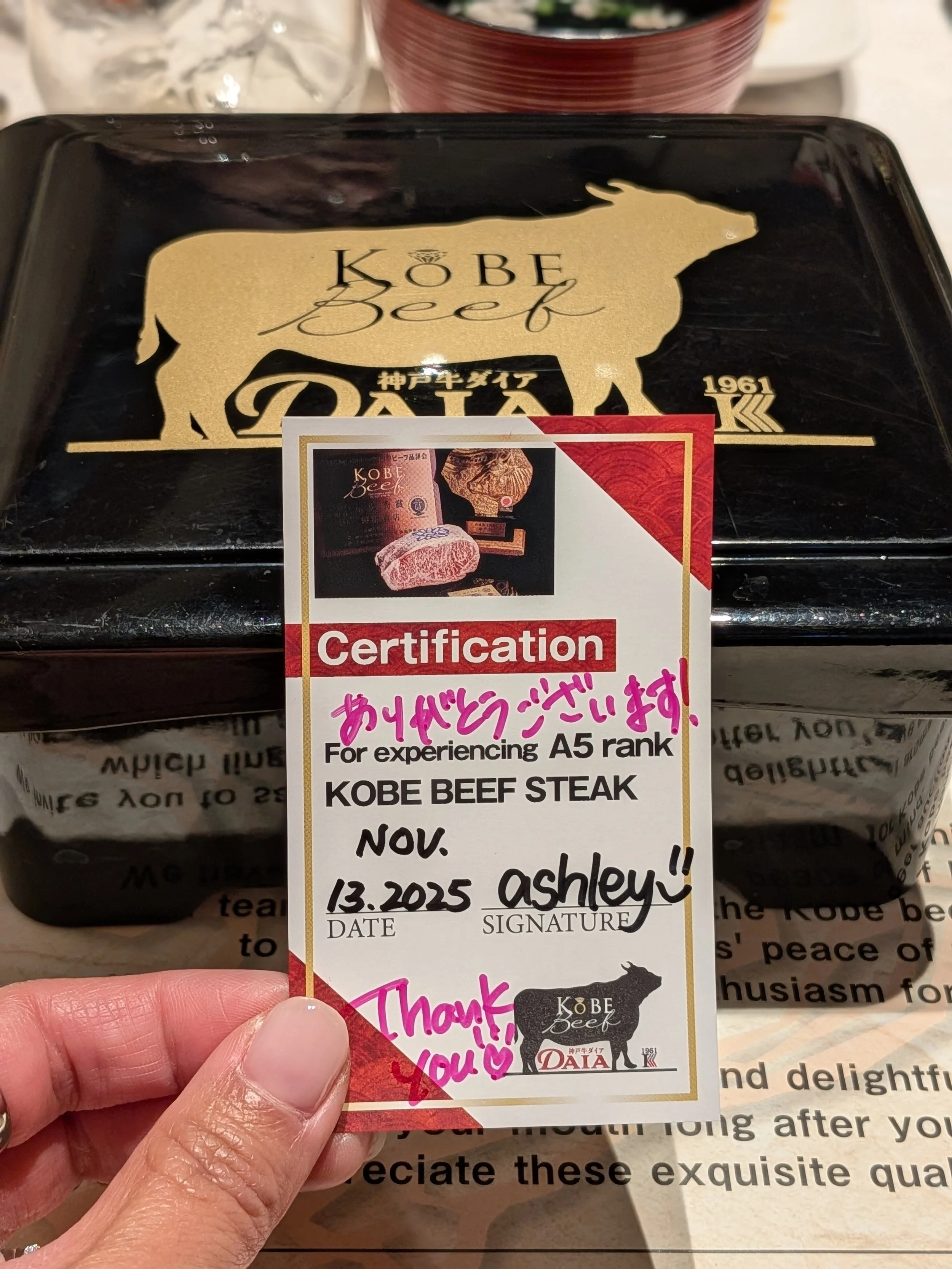
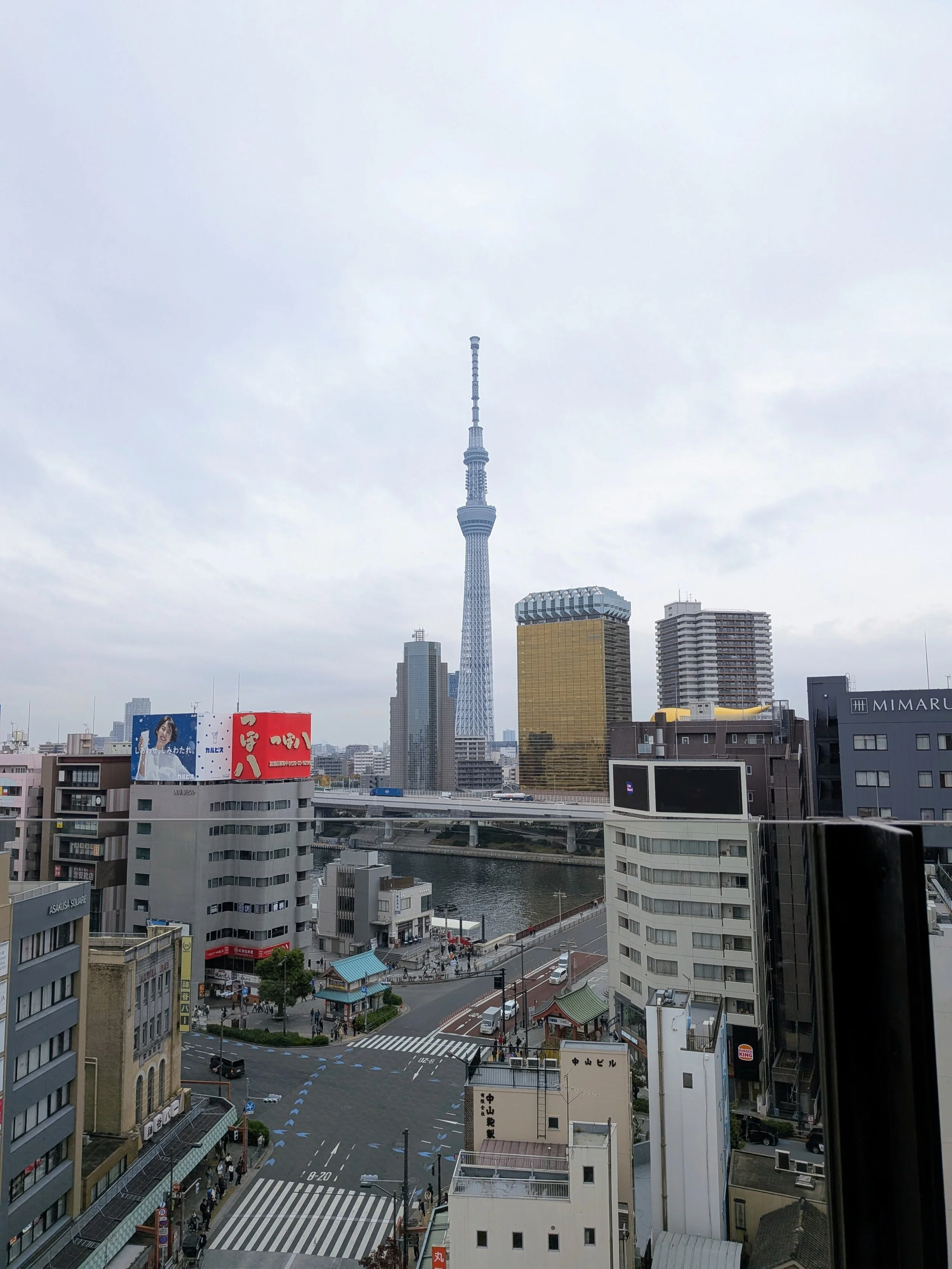
After shopping, we went to the Asakusa Culture Tourist Center where they host community events and also have a free observation deck. From the deck, you can see Senso-ji, Senso-ji Hozomon Gate, Nakamise shopping street and the quaint streets of Asakusa. Seeing how vast the Senso-ji area is, we decided to grab lunch before visiting the temples, and ended up at Daia Kobe Beef for A5 rank kobe beef. I’m not very knowledgeable about steak but apparently Kobe beef is the highest quality, having rigorous requirements to meet the A5 category. Our server handed out kobe beef certificates at the conclusion of our meal which served as a reminder that this type of meal was not only delicious and yes, the best steak I’ve ever had, but it’s also a rare experience.
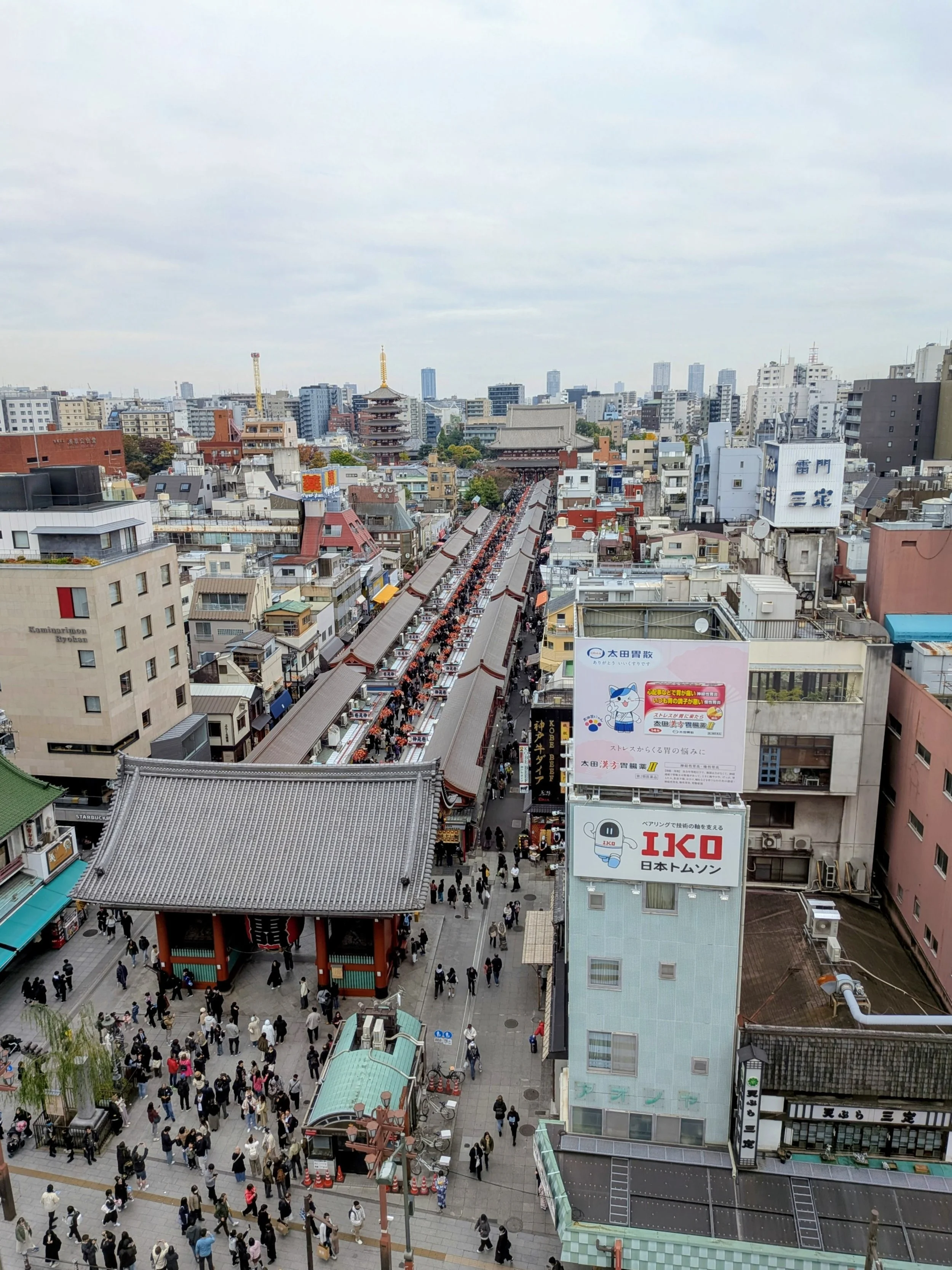
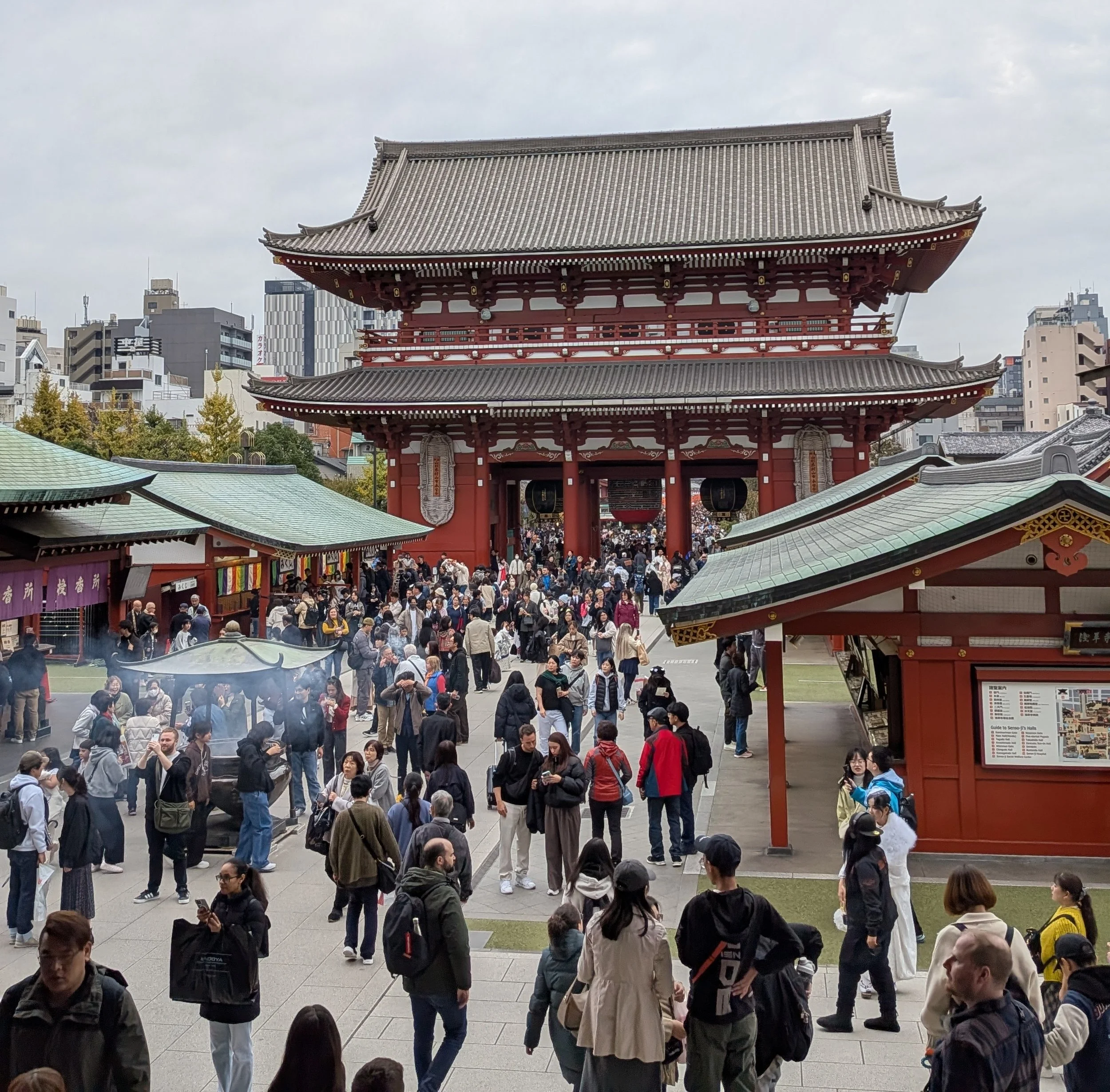
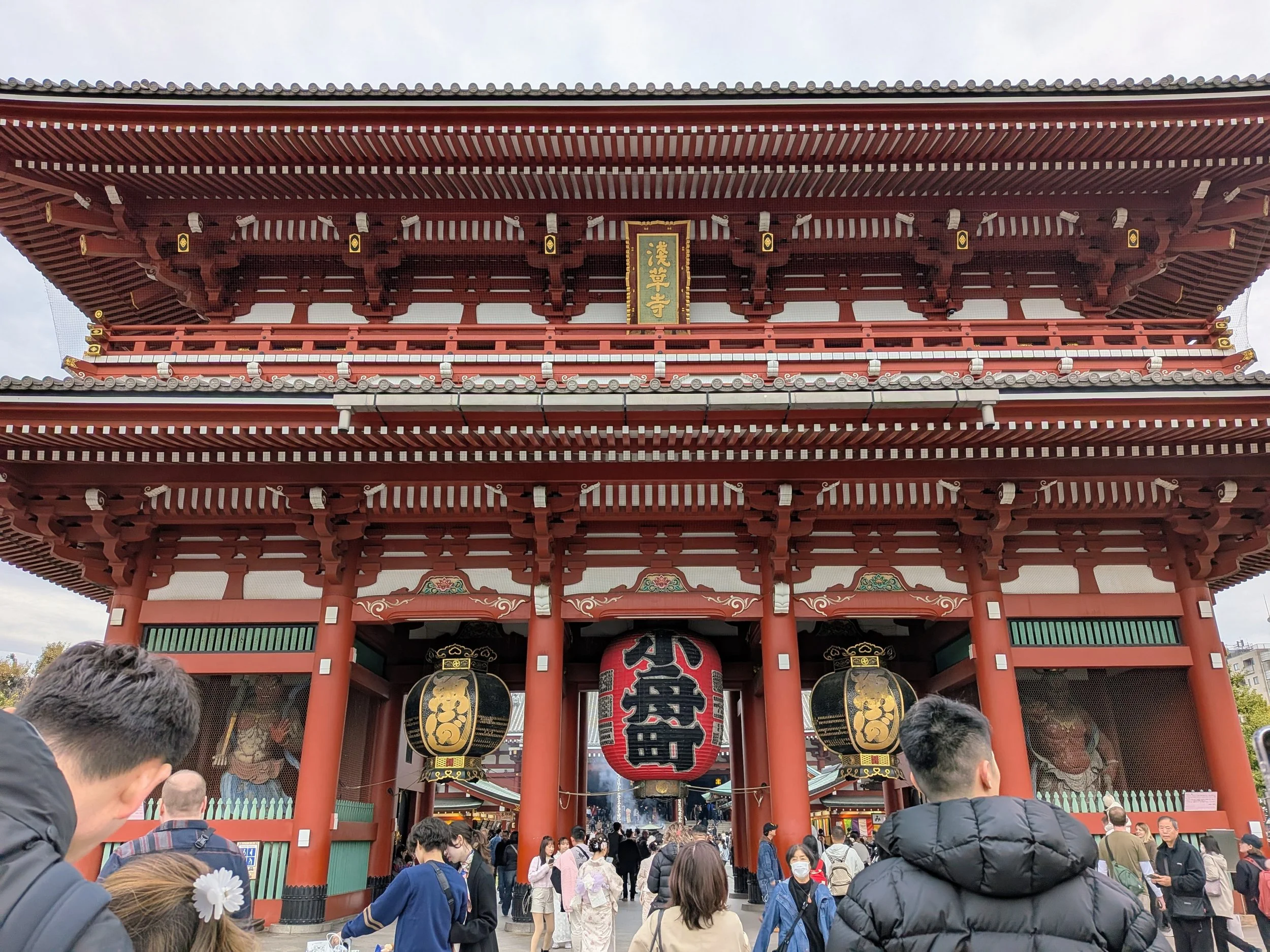
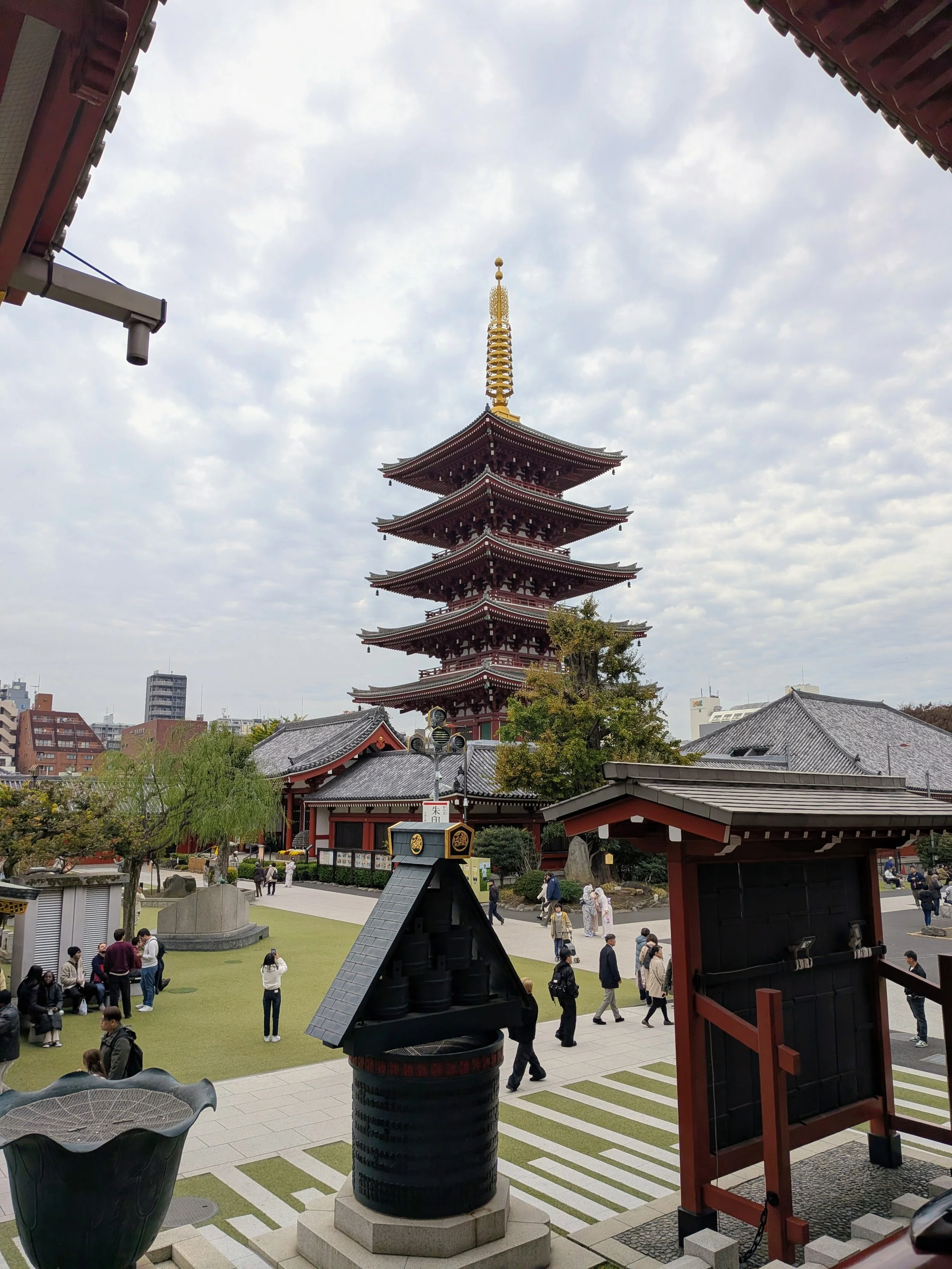
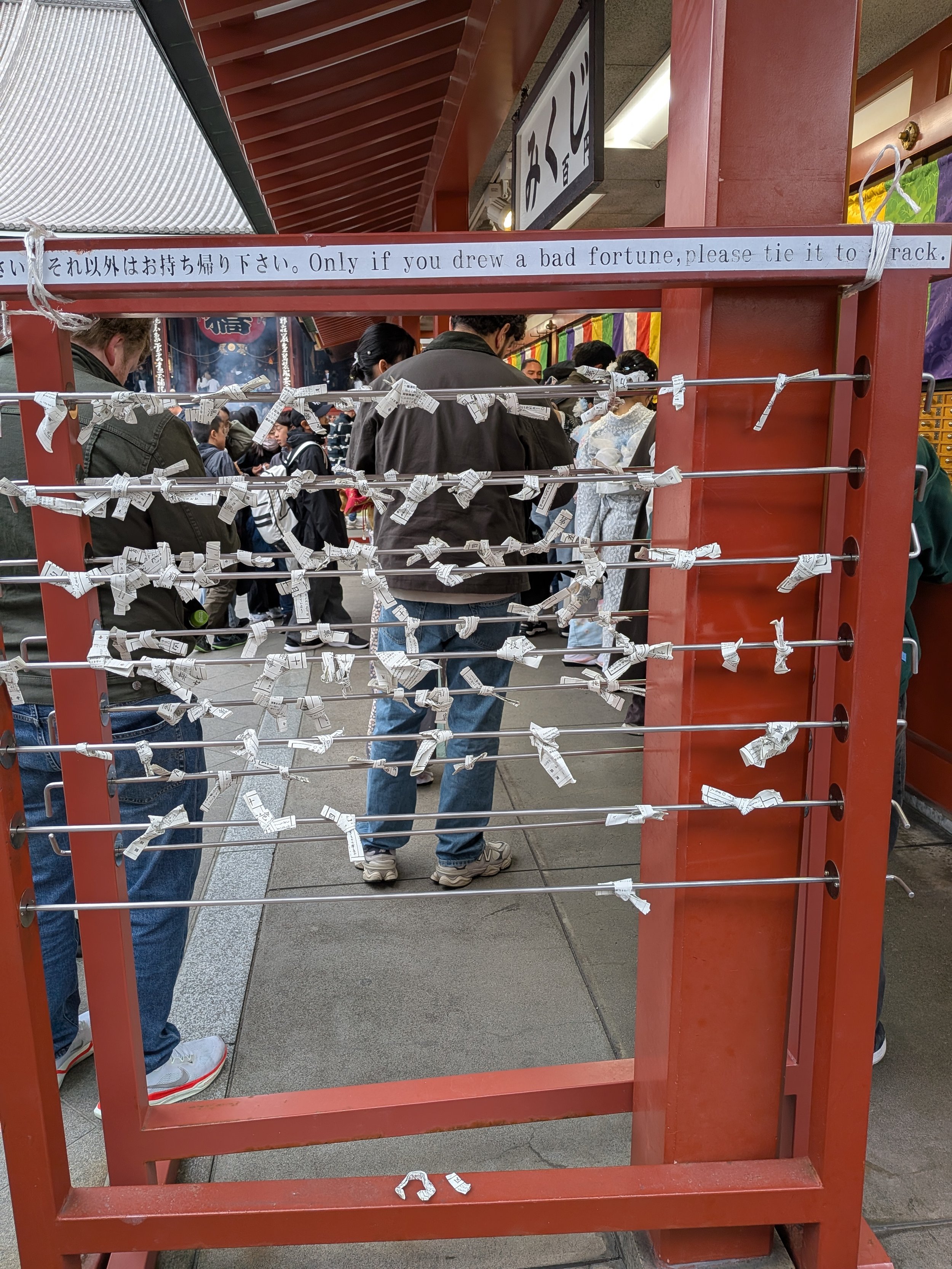
Senso-ji is a Buddhist temple and one of the oldest temples in Tokyo, making it a very popular tourist destination. Surrounding the temple is the Senso-ji Gate, Asakusa Shrine, and Nakamise-dori shops. At Senso-ji, you can buy charms and get a fortune (or in my case, a misfortune) at the o-mikuji stalls. There’s a lot to see and do at Senso-ji so we recommend visiting as early as possible. Afternoon crowds are dense which ironically diminishes any serenity and meditation one might try to find at a sacred place..
A day in Asakusa was much needed after being in busier parts of Tokyo the past couple of days. The slower pace of the neighborhood matched the energy of its historic sites and independently owned shops. We love Asakusa and will likely seek out accommodations in the area next time we visit Tokyo.
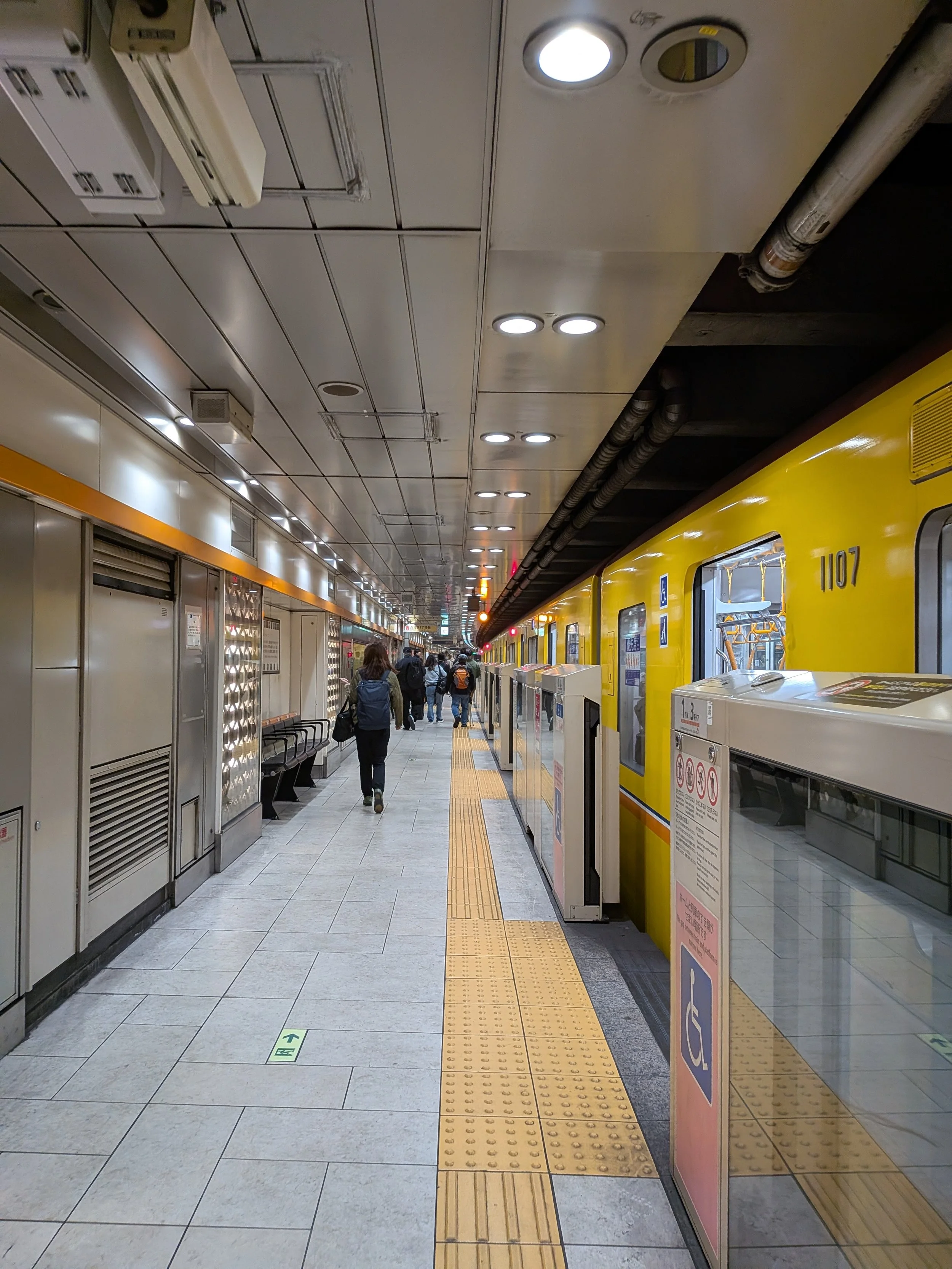
Ginza
Our final day in Tokyo was laid back as we explored Ginza. Ginza is known for high end shopping & restaurants and corporate offices, very comparable to Chicago’s Gold Coast neighborhood. Ginza Six, heavily featured on socials, is a high end shopping mall where you can find every high end designer under one roof. Ginza was fine to check out but unless you’re doing a ton of high end shopping, you can skip it and opt for another neighborhood in Tokyo where there are more activities than shopping. It’s worth noting that luxury shopping can be done in almost any neighborhood in Tokyo. I purchased designer pieces at Shibuya Seibu, a department store 10 mins from our hotel, and it has almost the same stores as Ginza Six. Japan is a great place to go shopping because of the favorable conversion rate of USD to Japanese yen and tax-free shopping for tourists.
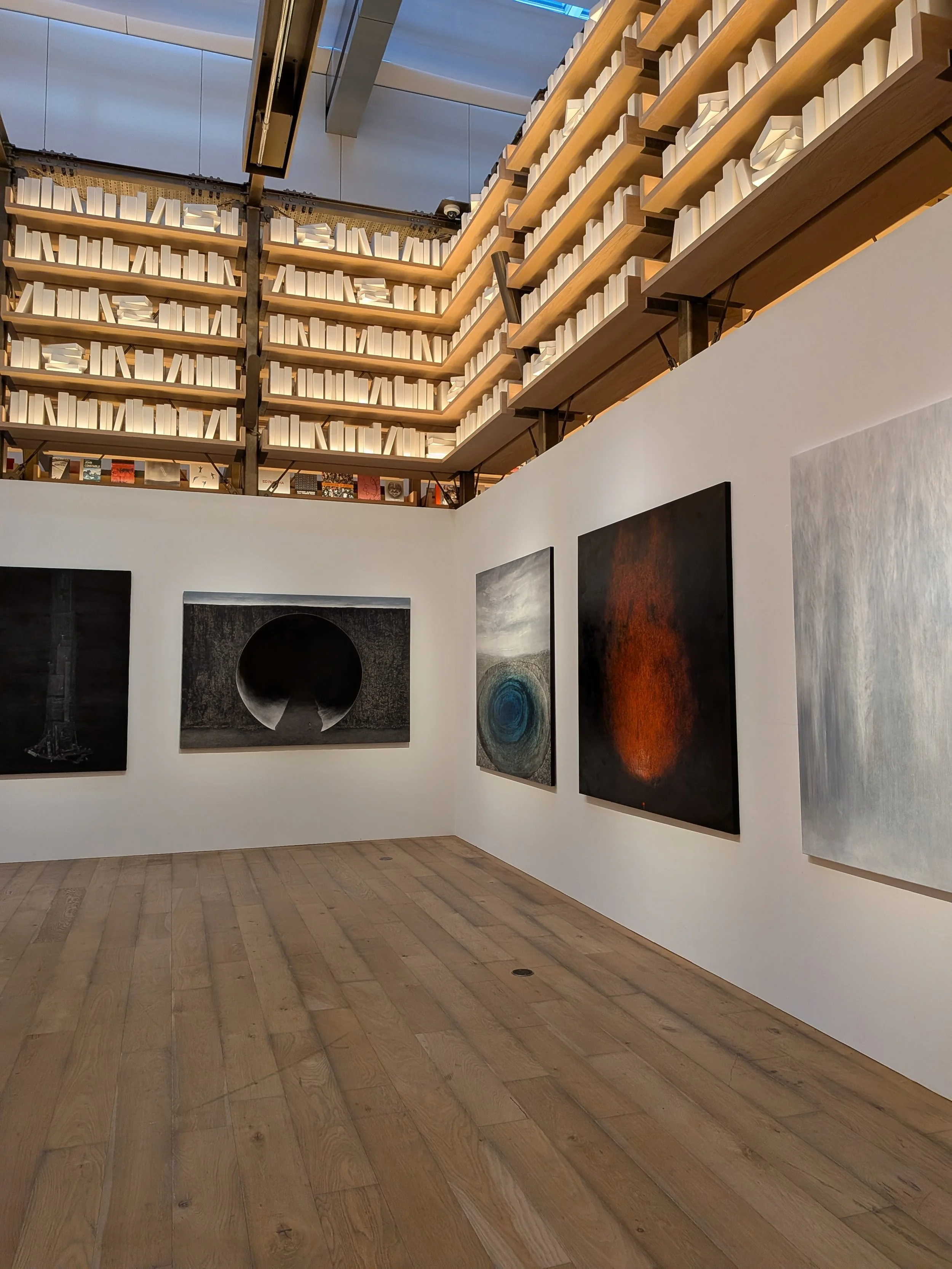
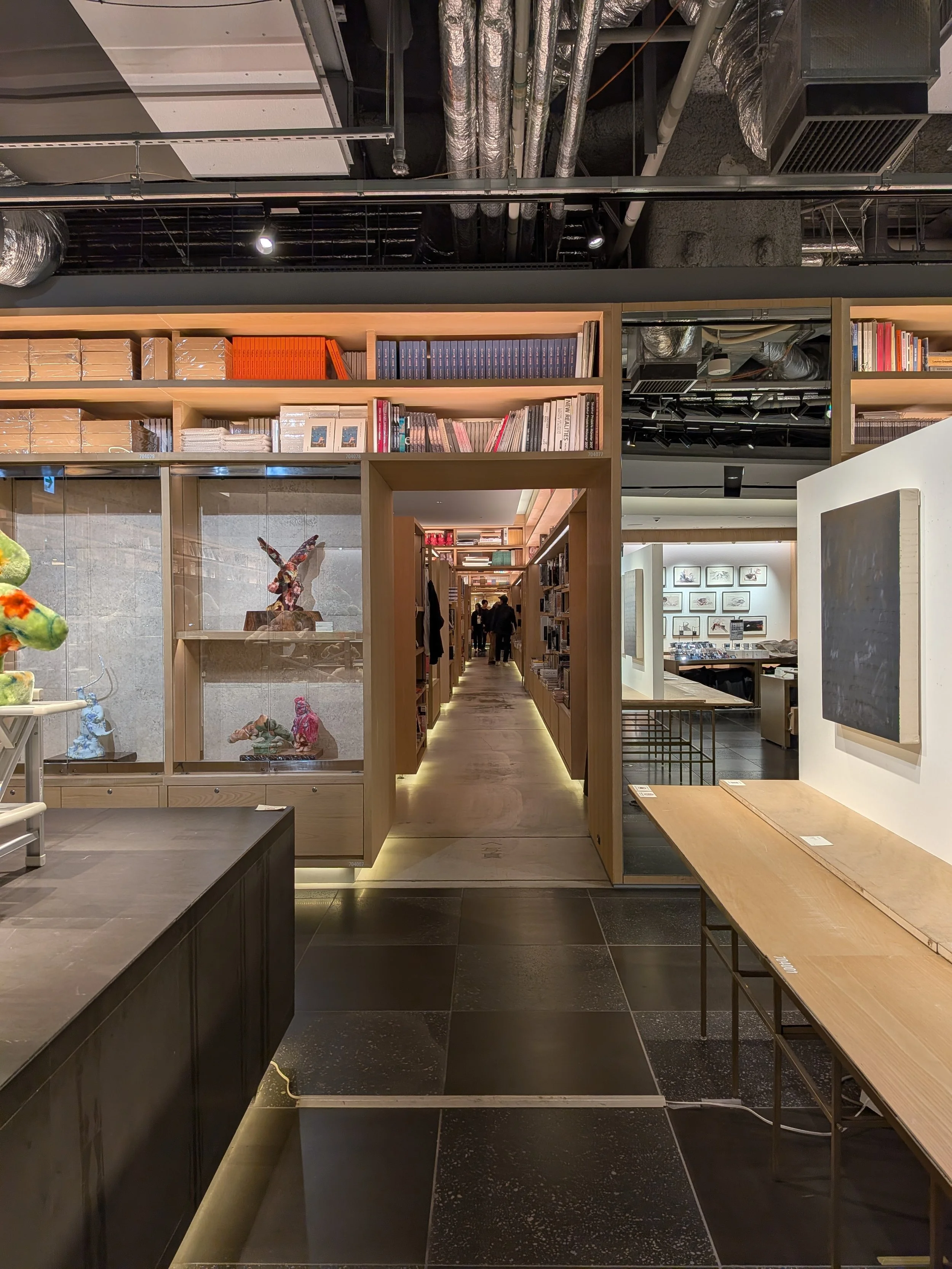
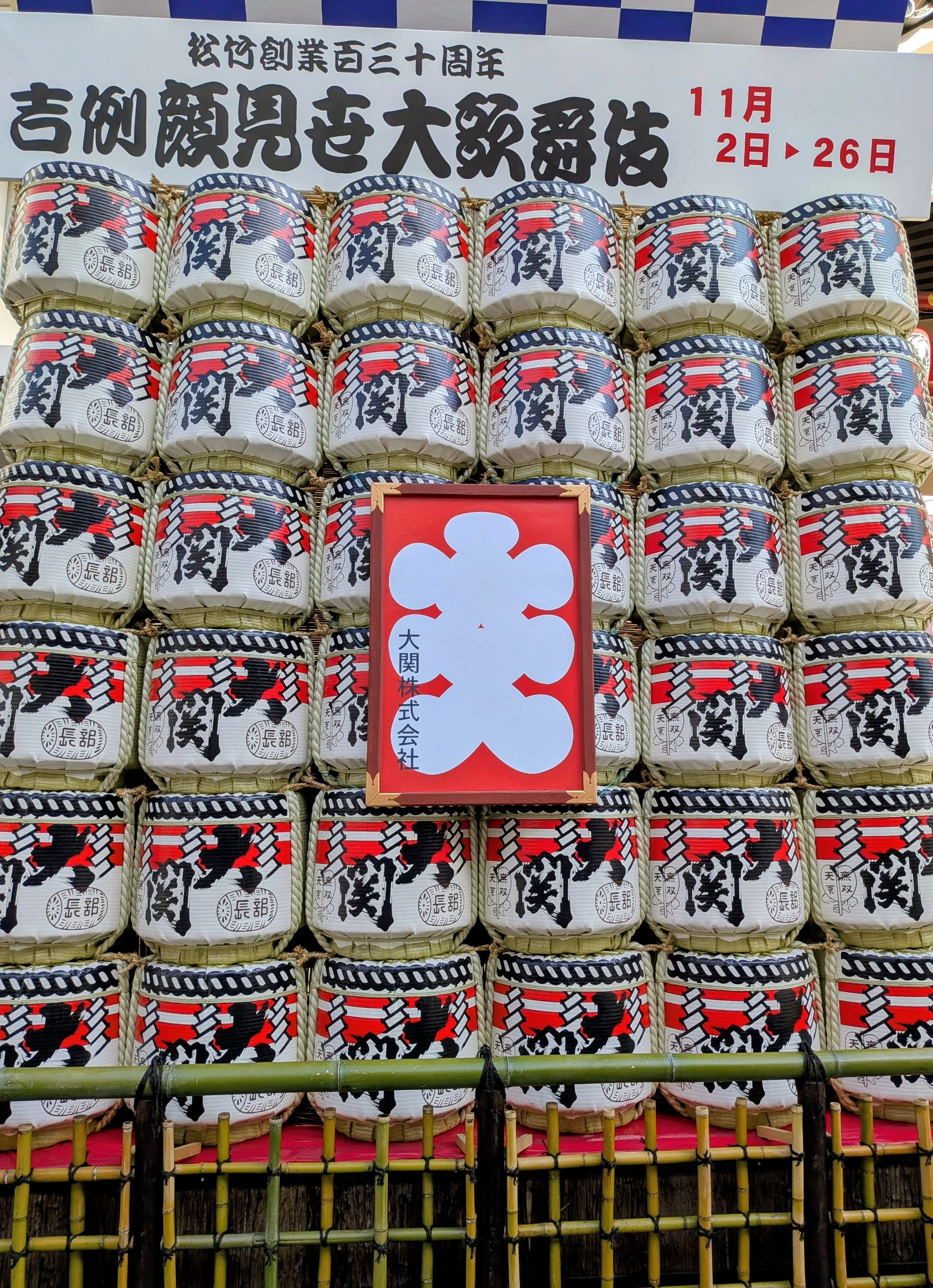
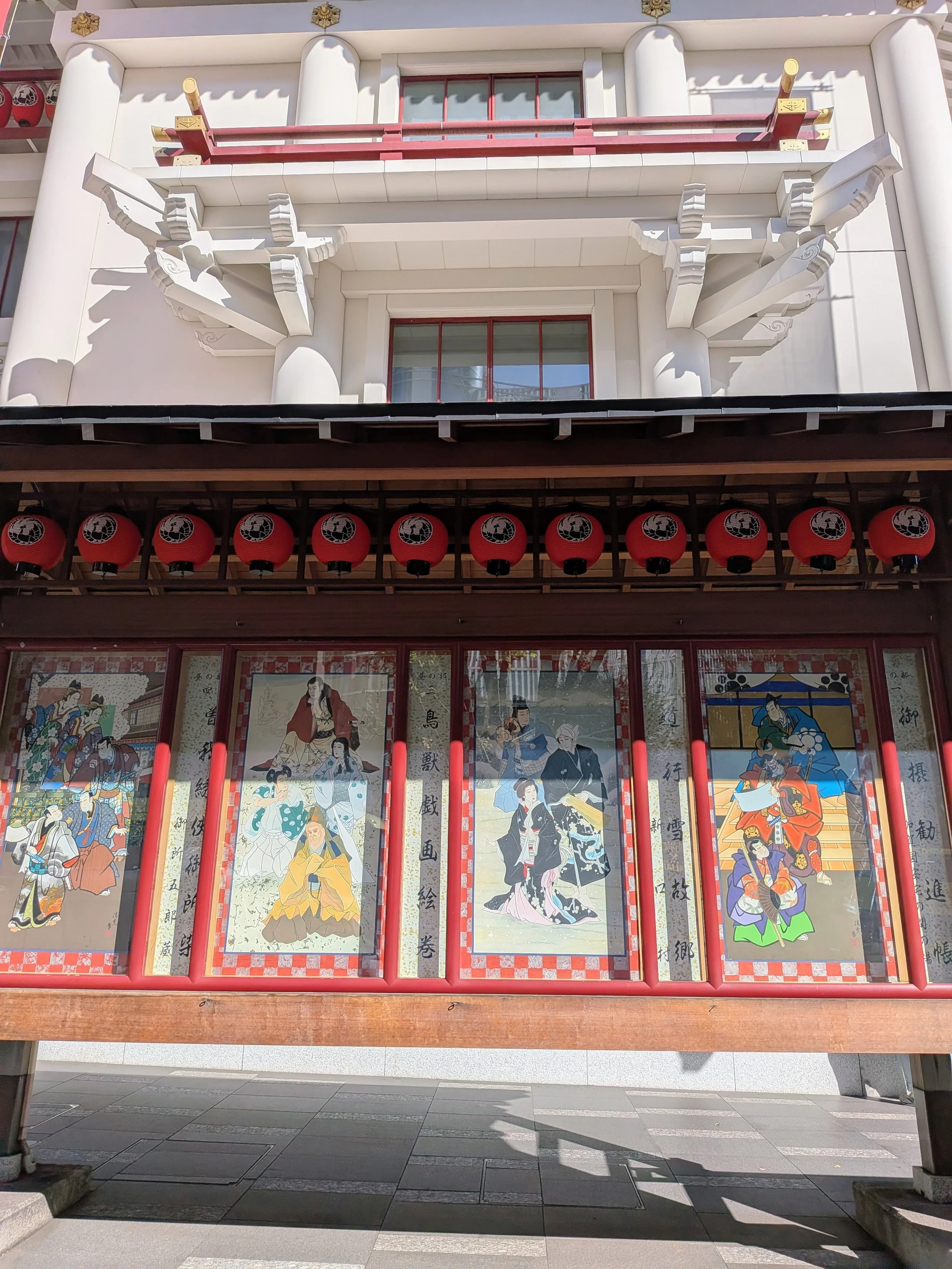
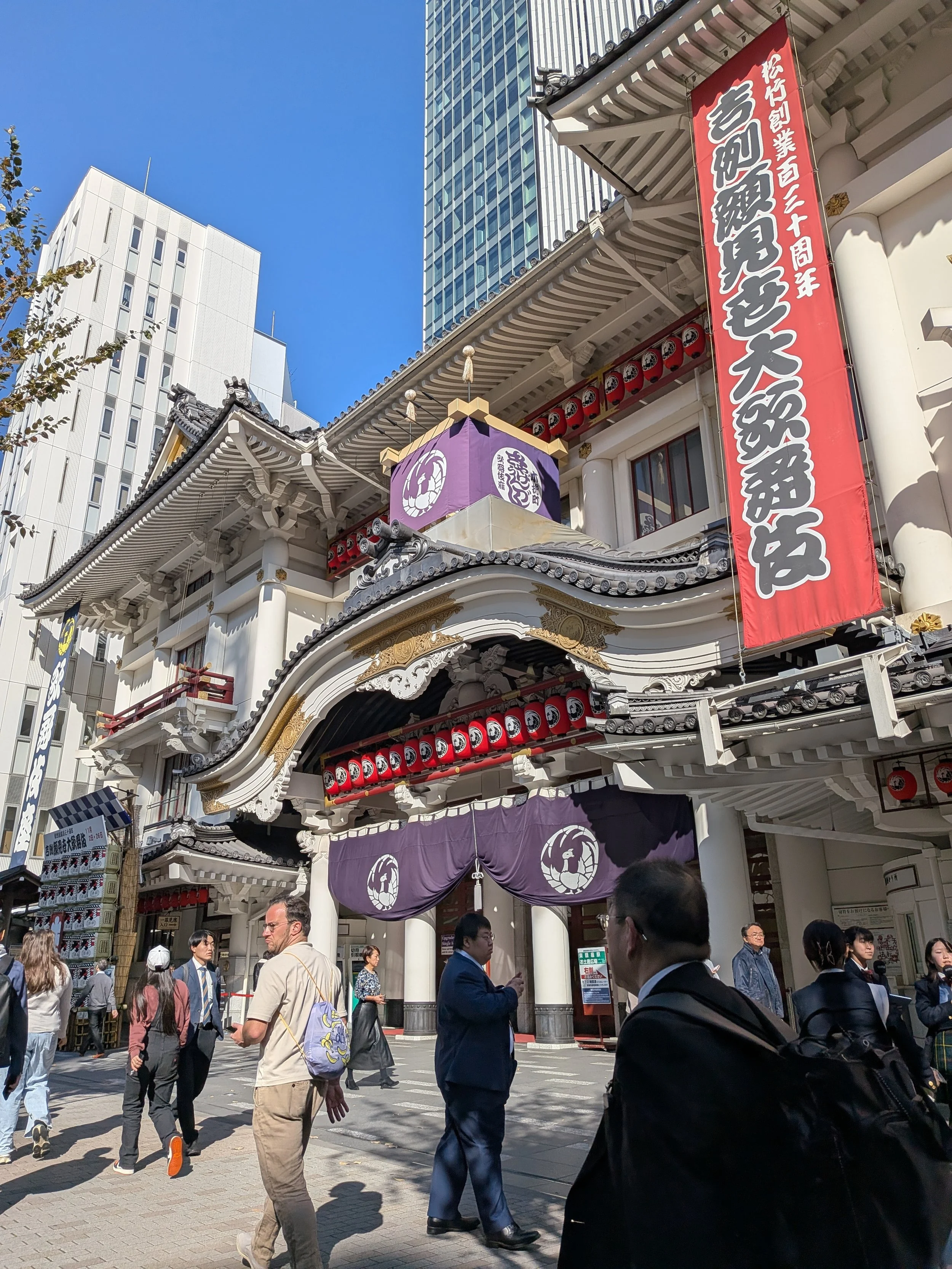
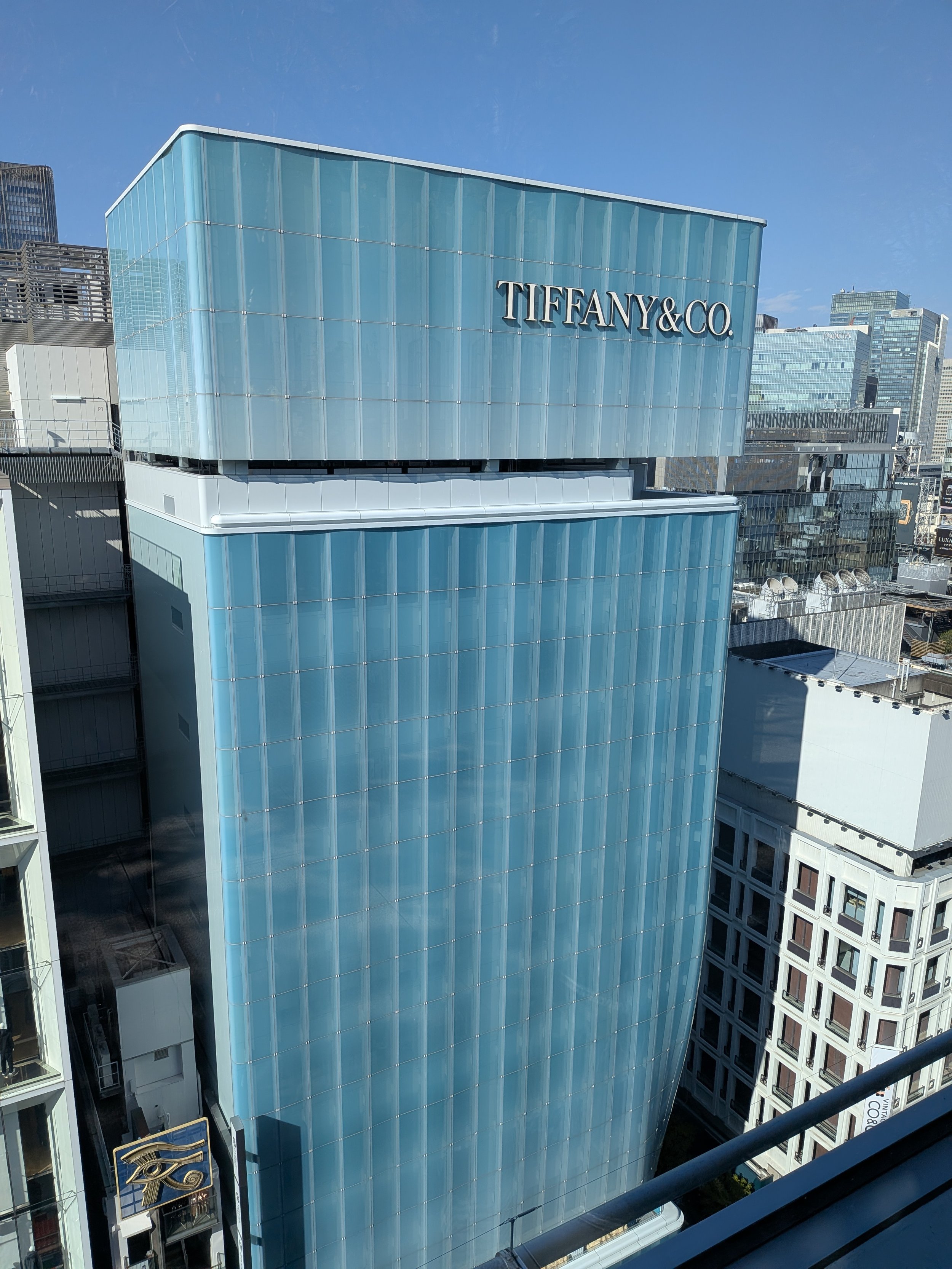
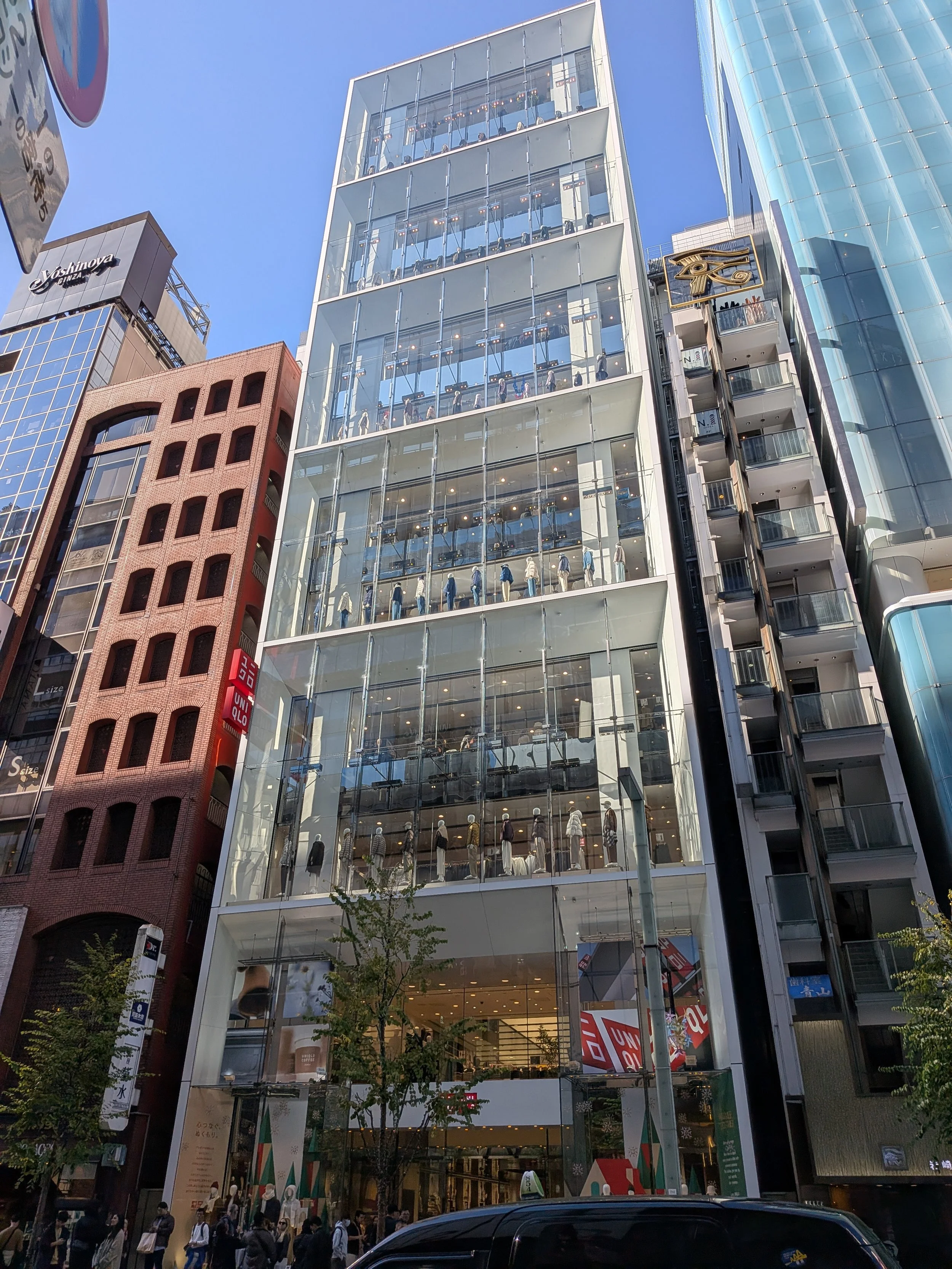
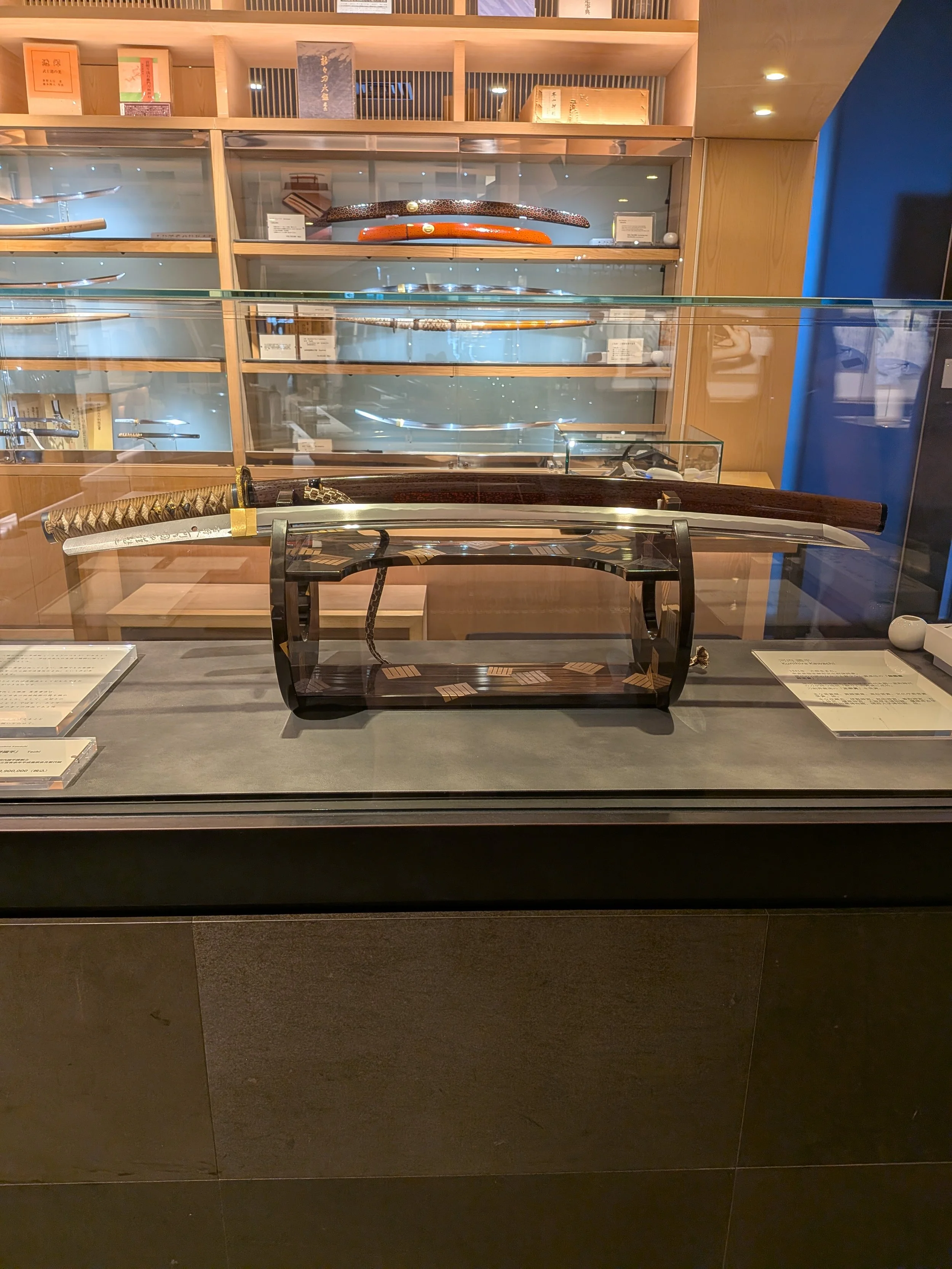
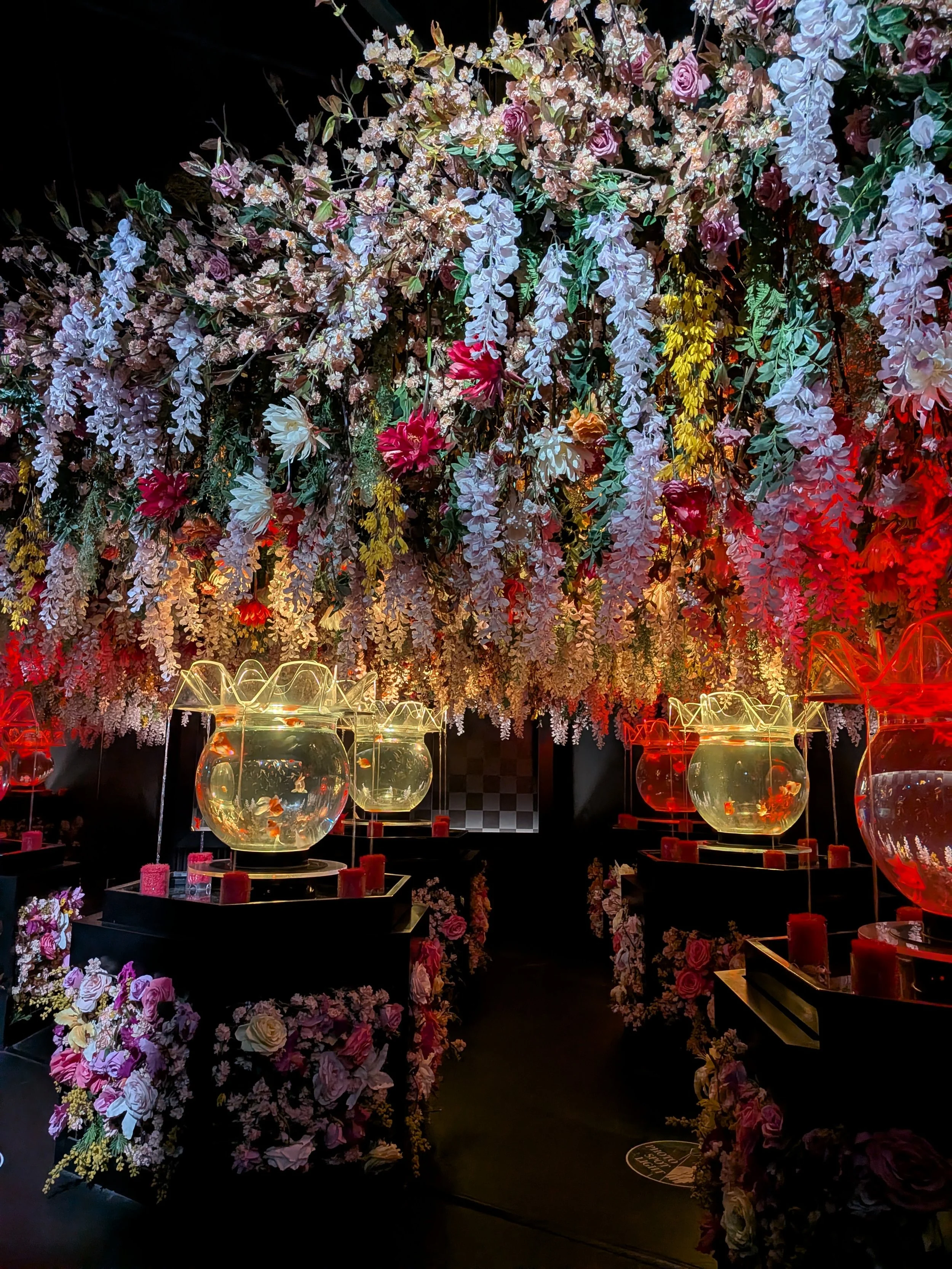
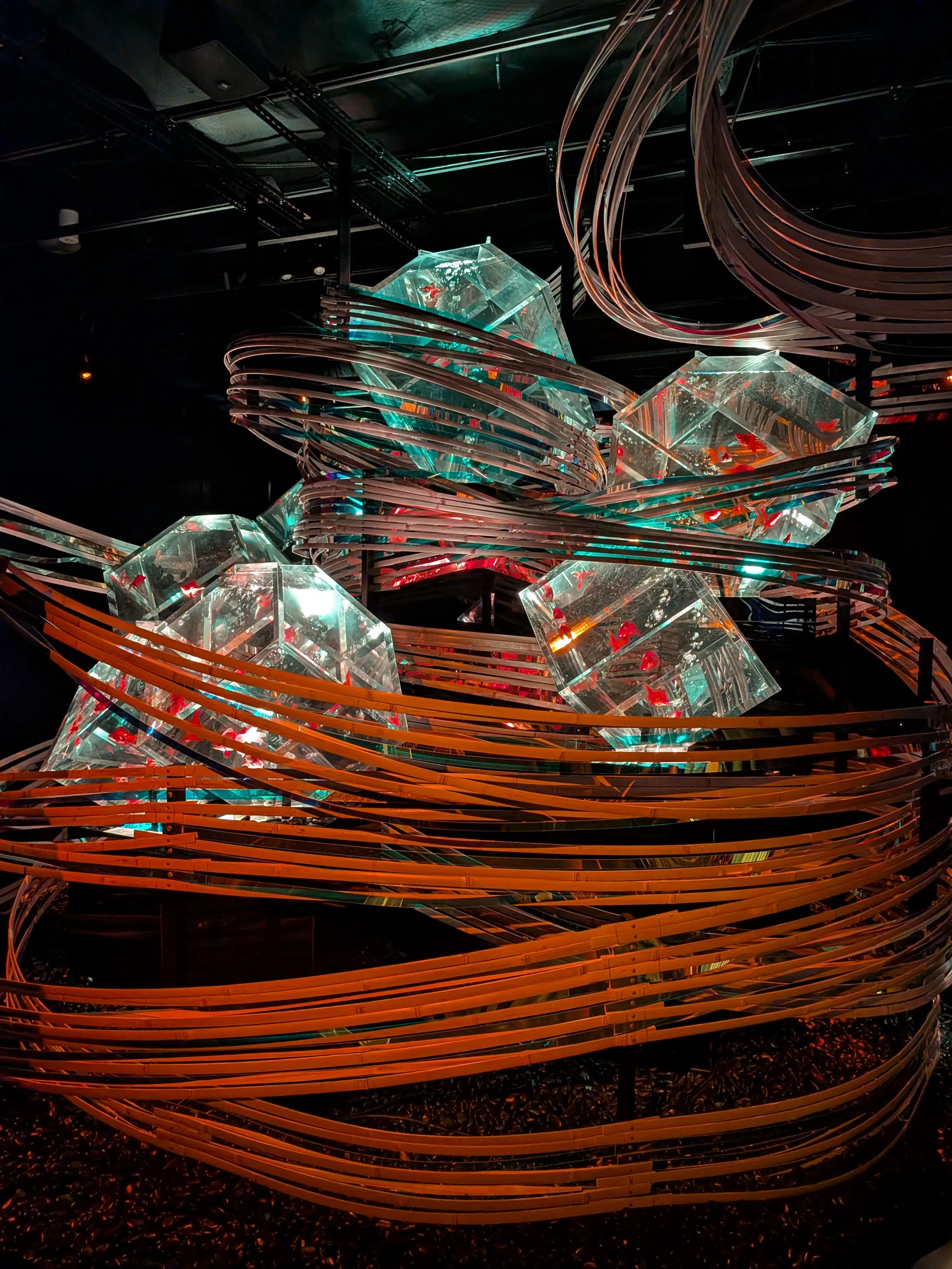
We needed a break from window shopping so we ended up at Mitsukoshi which has a rooftop garden and a pop-up art aquarium museum. The Japanese are very considerate about outdoor, natural space so it was nice escaping commercialism albeit temporarily. The Art Aquarium Museum is a pop-up exhibit featuring different types of goldfish in elaborate art installations. I personally enjoyed the art installations and lighting and the goldfish added a nice texture to the overall spectacle.
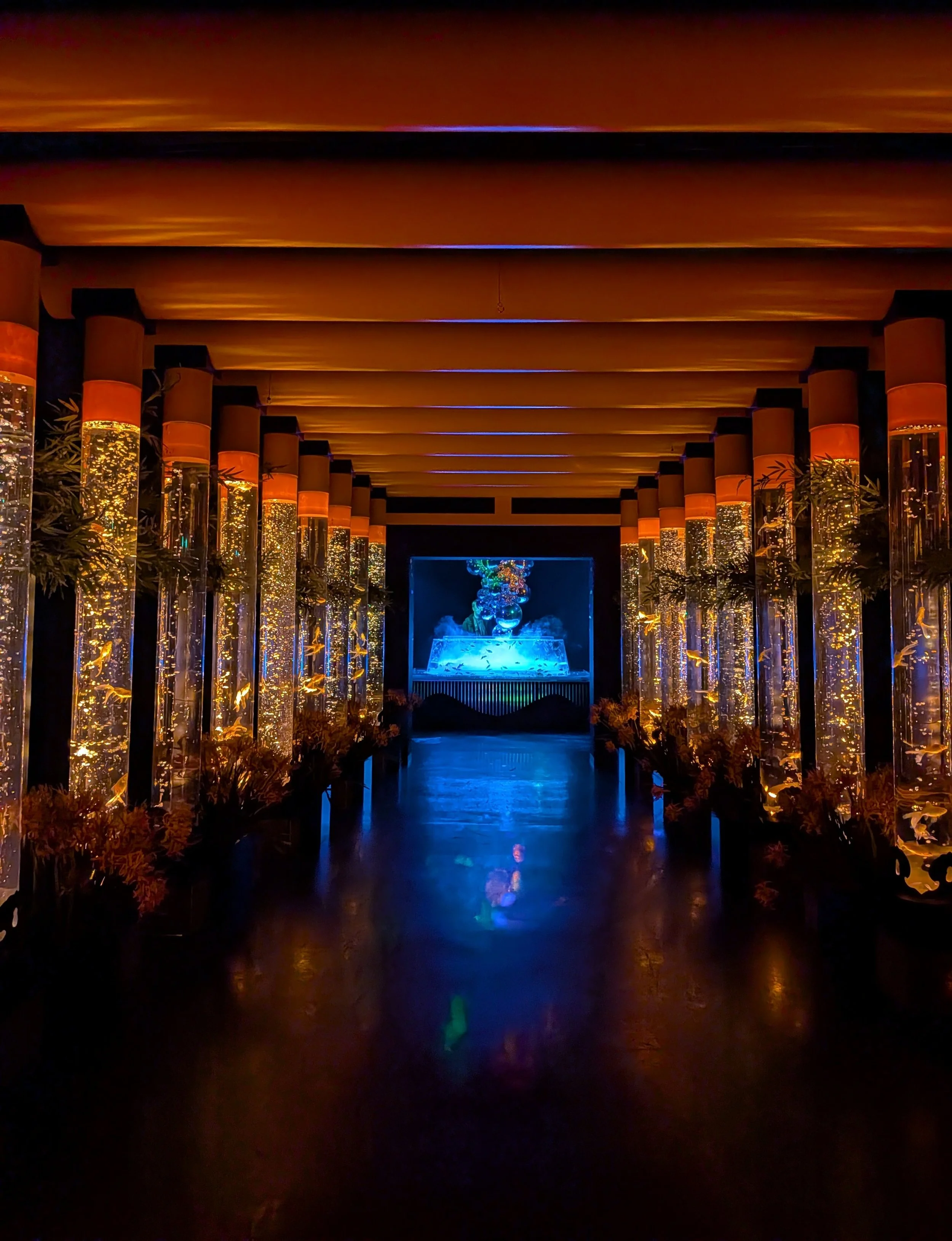
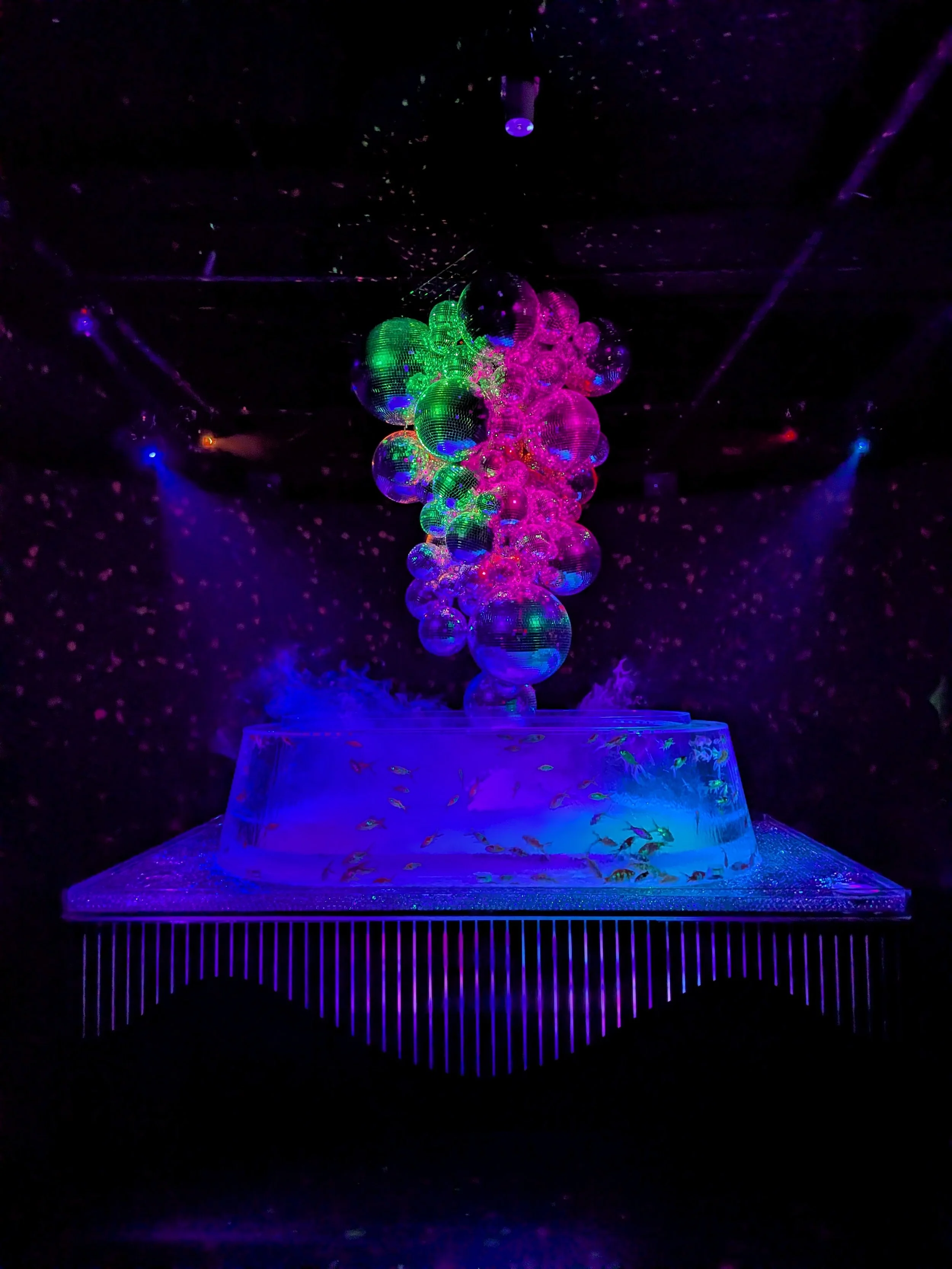
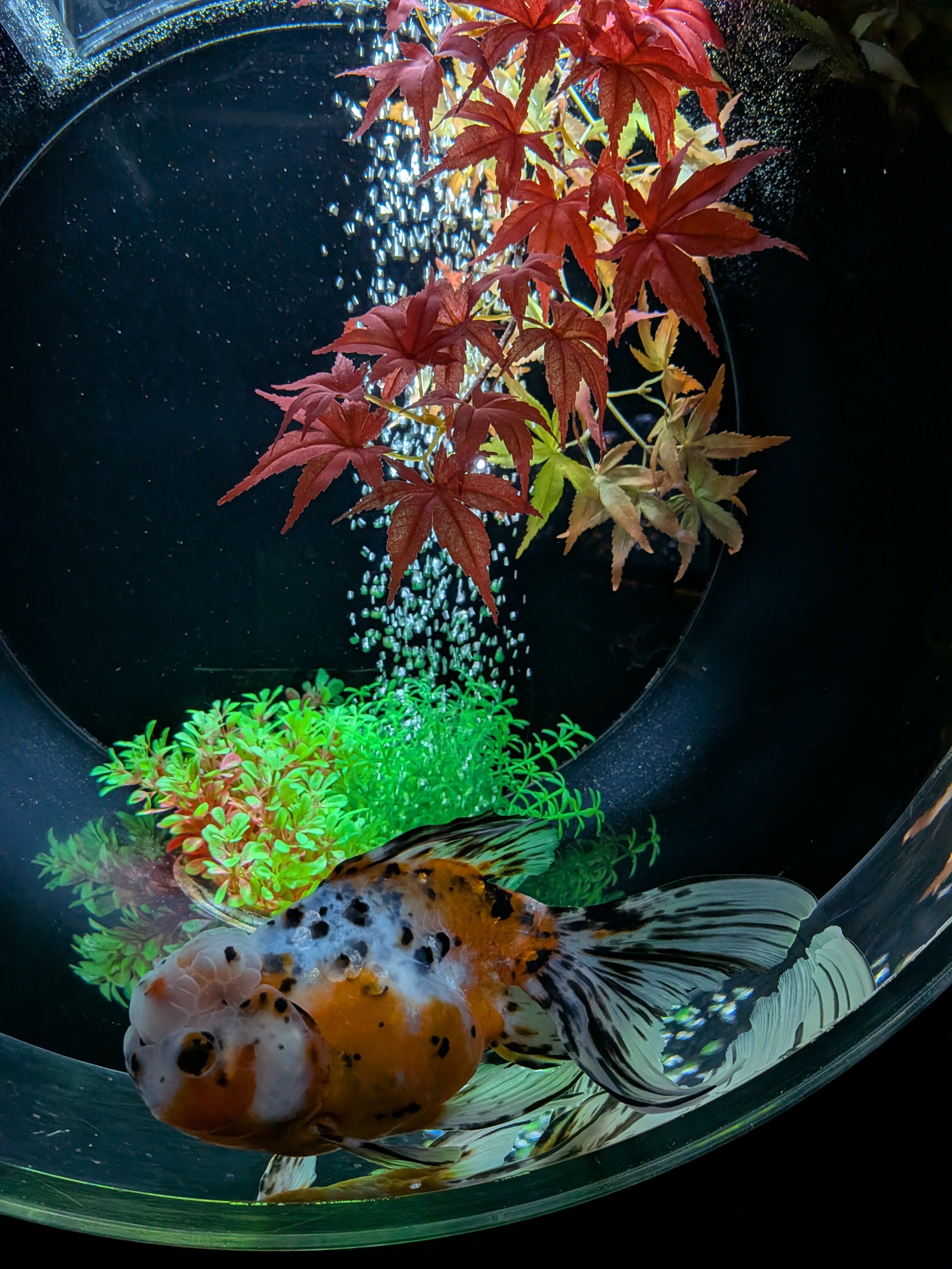
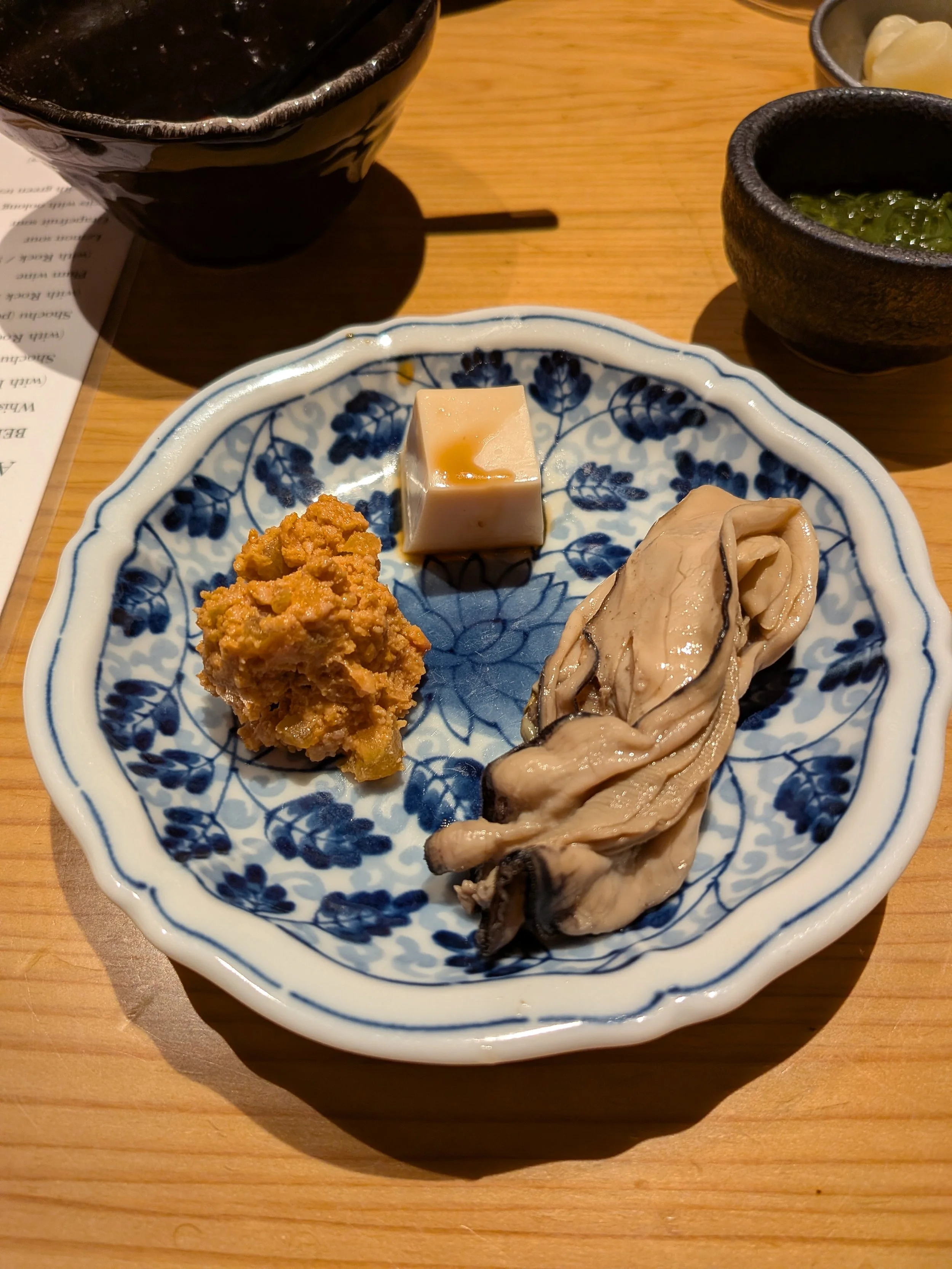
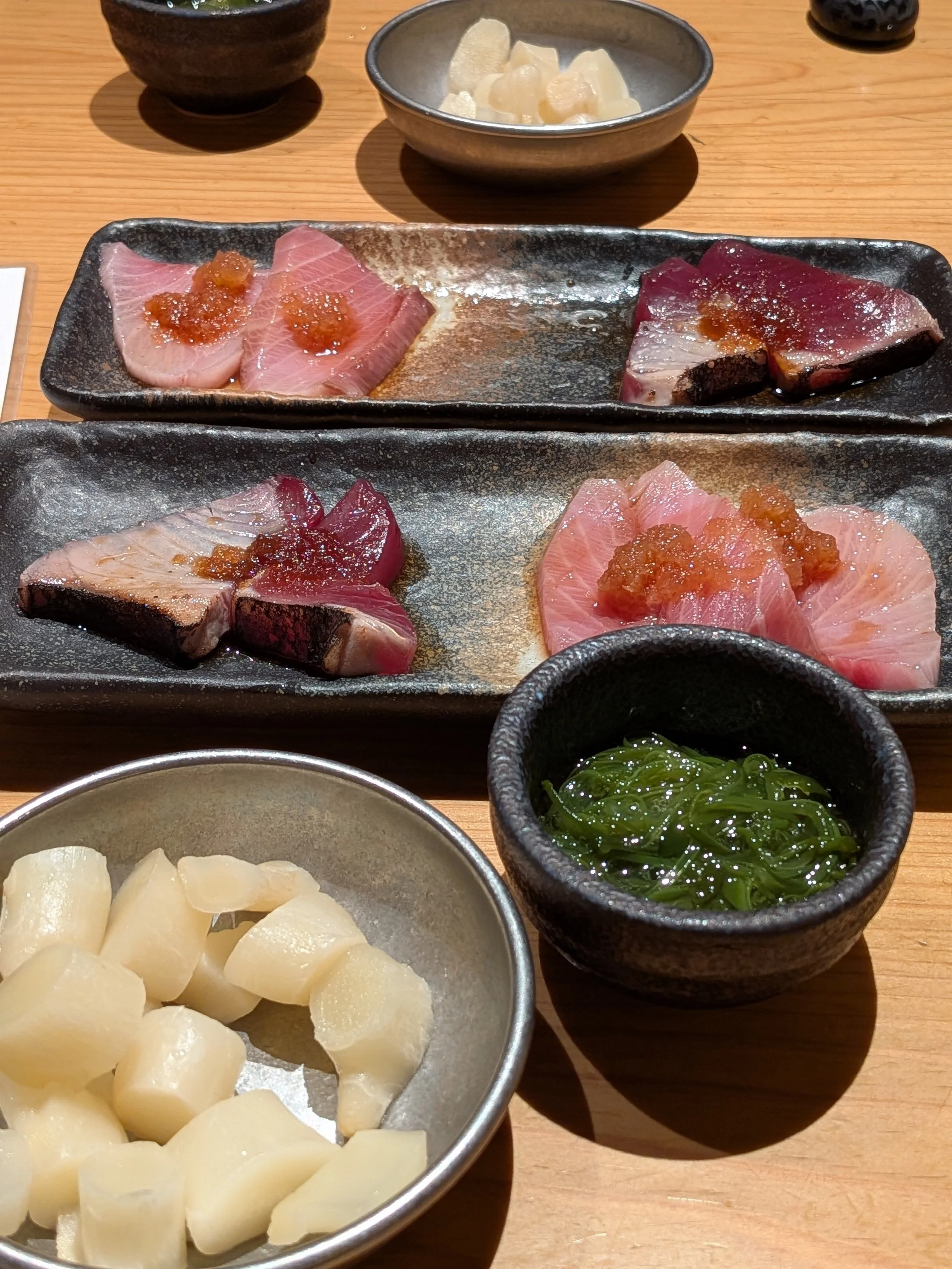
We ended our final day with an omakase at Sushi Tokyo Ten which we got very lucky with. The restaurant was fully reserved for the evening, but the chef was kind enough to accommodate us for an early dinner. The omakase was one of our favorite things that we did in Japan and all of the food was remarkable. Every bite was delicious and an excellent way to conclude our trip to Japan.
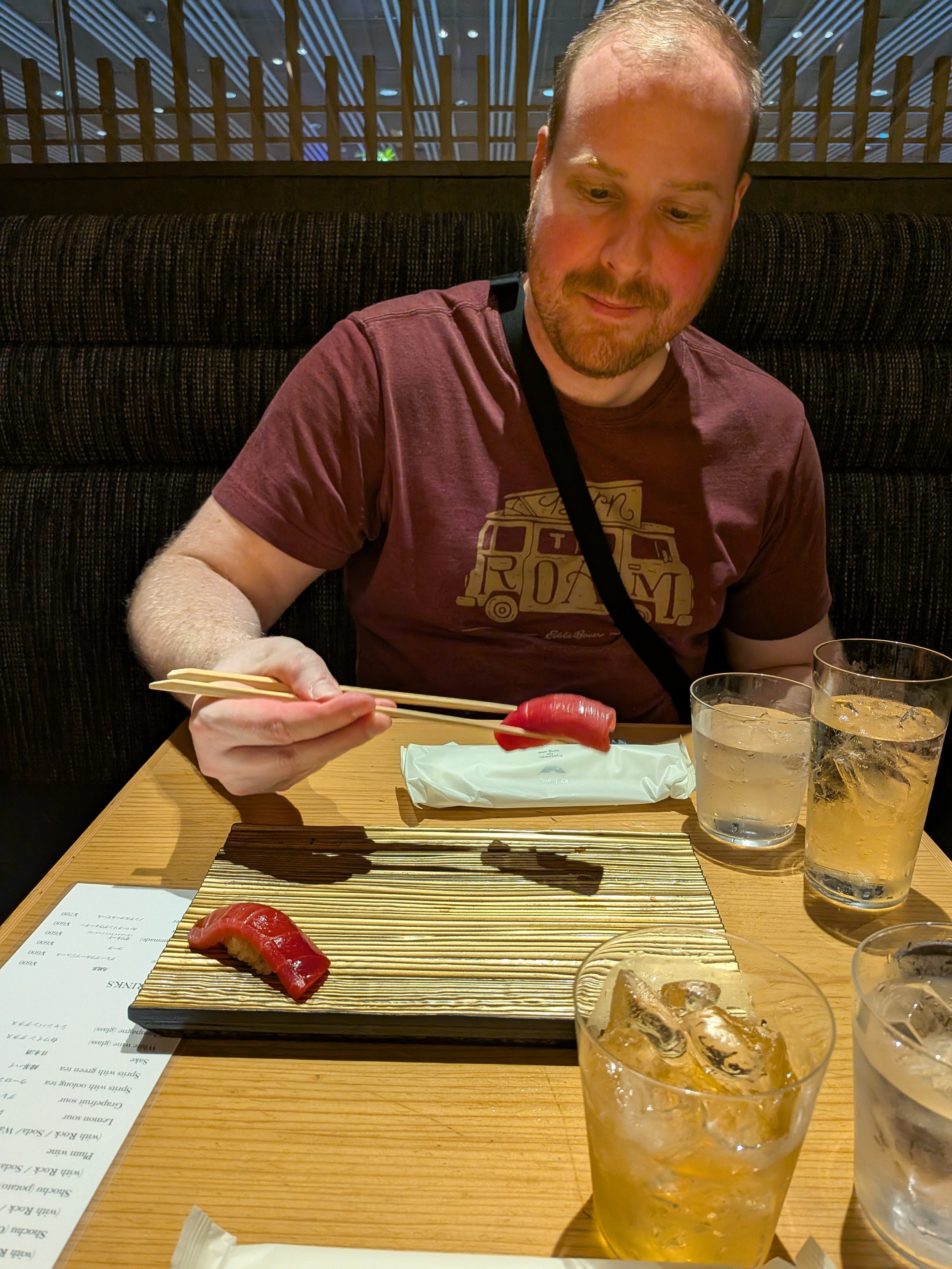
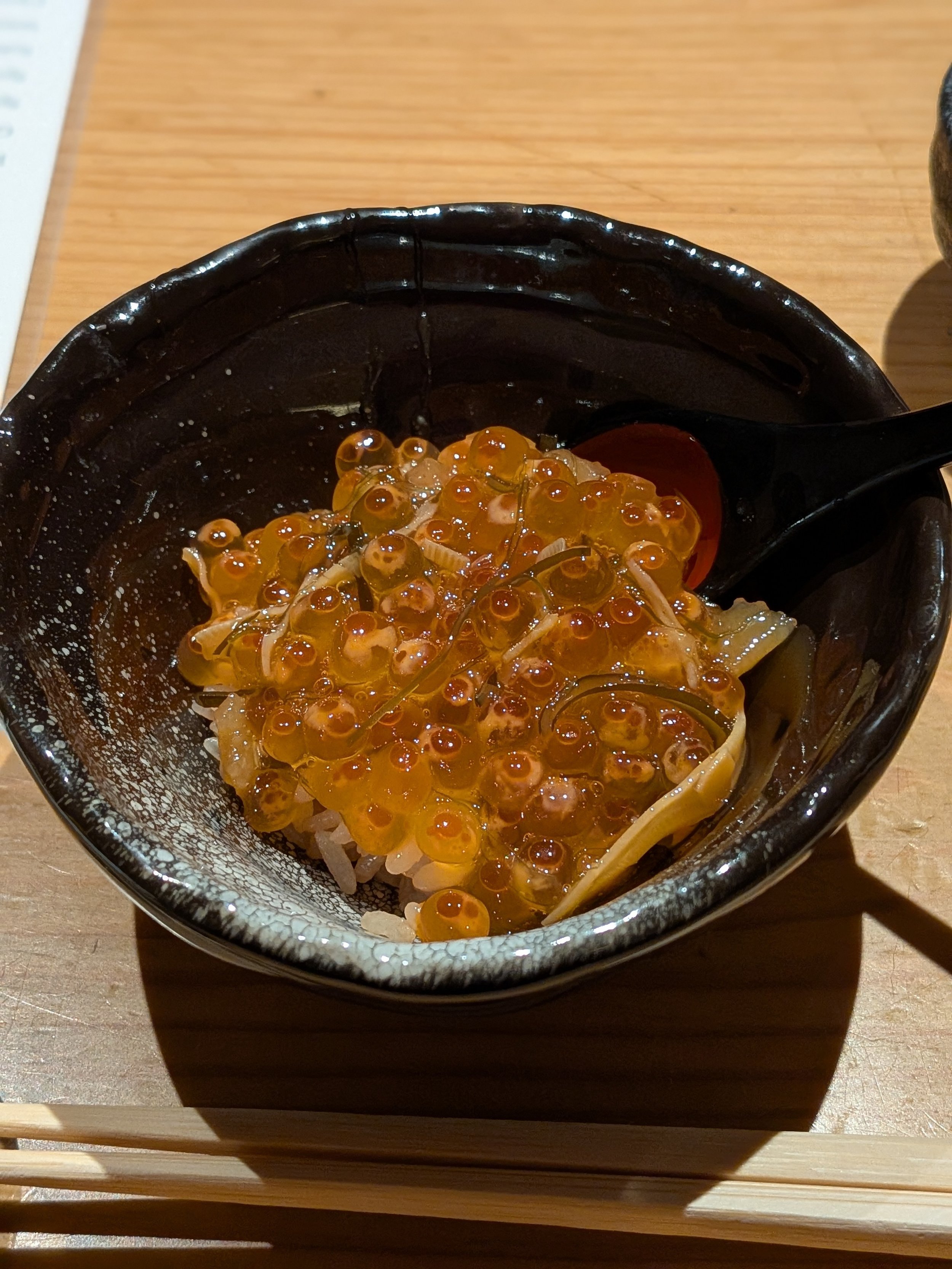
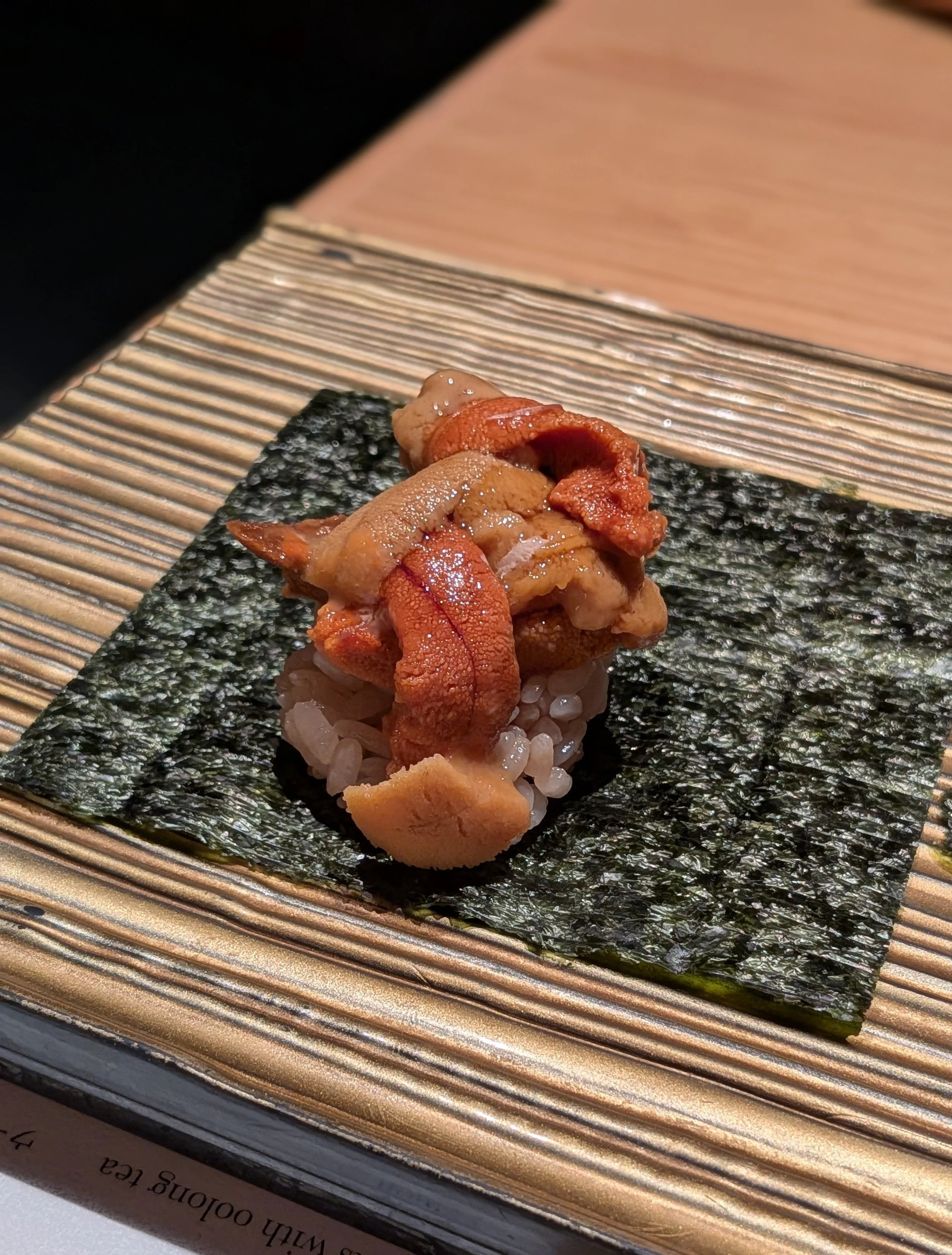
We’ve always heard great things about Japan but we didn’t know we would love it as much as we do. The level of respect, consideration, integrity and purpose is unparalleled; I’ve never visited a country quite like Japan. The Japanese have such a rich history and it's reflected in their traditions and way of life. They are way ahead of their time and all the hype around Tokyo is accurate. It’s such a fascinating city! We’re fortunate that we were able to visit Japan before they start implementing some changes in 2026. They’re changing the way tourists receive the tax-free shopping (same discount but different process), and depending where you are in Japan, some cities will start implementing higher tourist tax to help cities manage its infrastructure due to the increasing tourism.
MANILA - BAGUIO CITY - CURRIMAO
The plane ride from Tokyo to Manila is about four hours, but a red eye flight still wreaked havoc on our bodies as we were still acclimating to the time change (plus the one hour time difference from Japan to Philippines). We landed in Manila around 6am and took a much needed power nap before our relatives were most hospitable to take us around Manila for the next couple of days while we were in the city.
During our time in Manila, we visited several places including Intramuros and Mall of Asia (MOA). Intramuros is a historic district within Manila that features Spanish architecture as early as the 1500s. Fort Santiago, originally a defense fortress built in 1571, is located in Intramuros and is now a lively park with food stalls and open air entertainment. MOA is the largest mall in the Philippines and one of the biggest in the world. It’s an entire building complex that includes MOA Sky (soccer park), multiple movie theatres, arena, business park, convention center, amusement park, and residences.
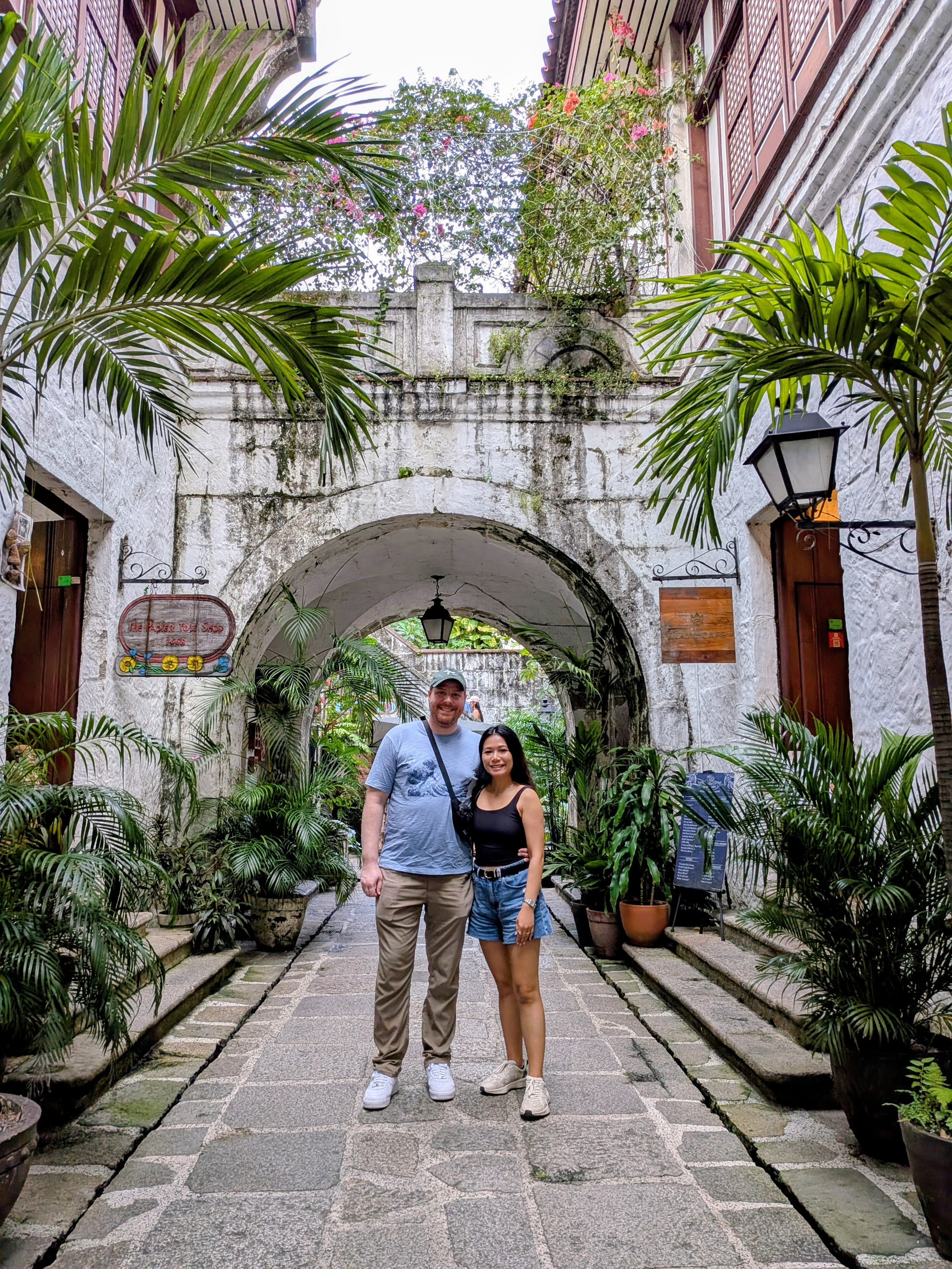
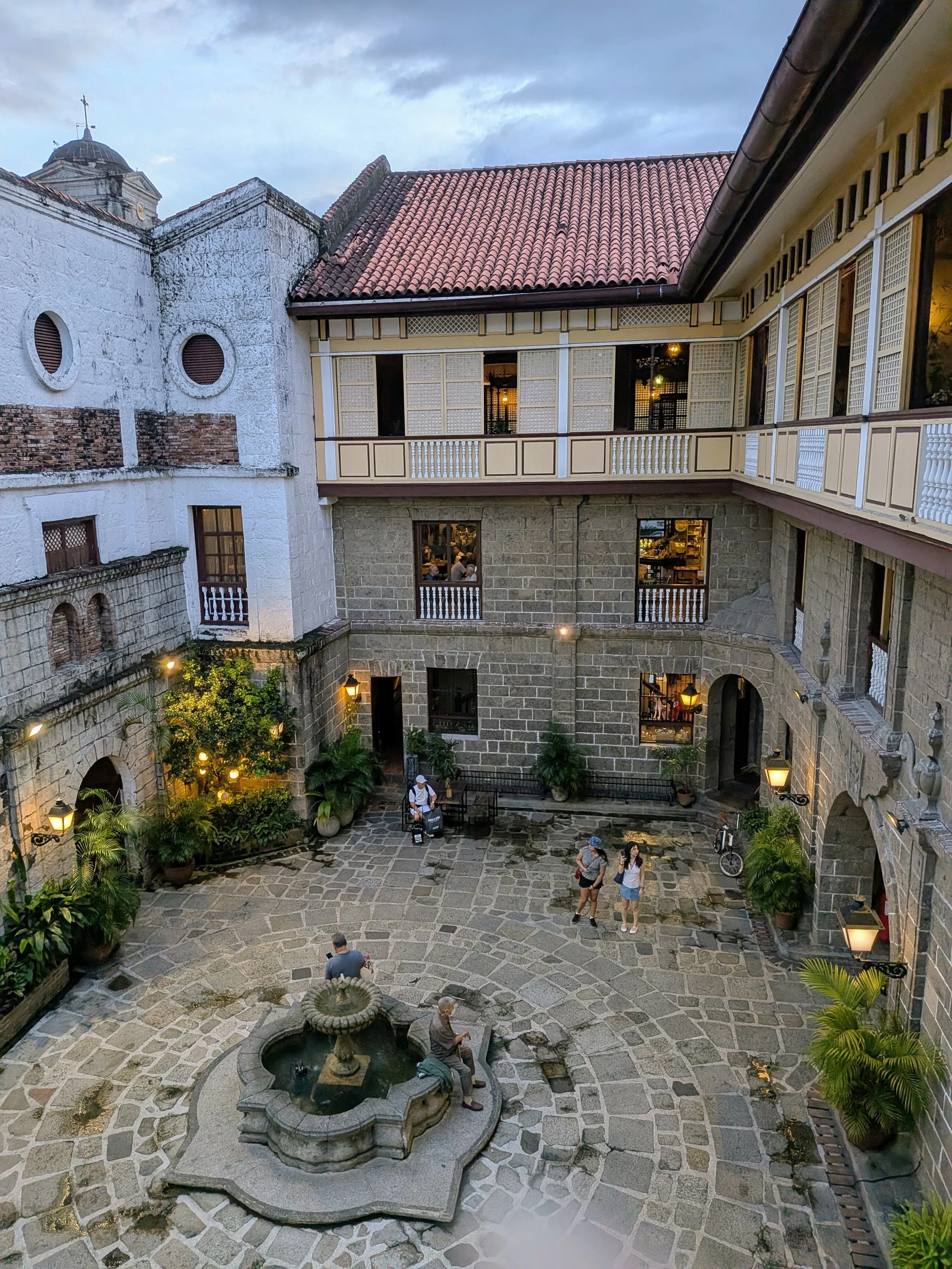
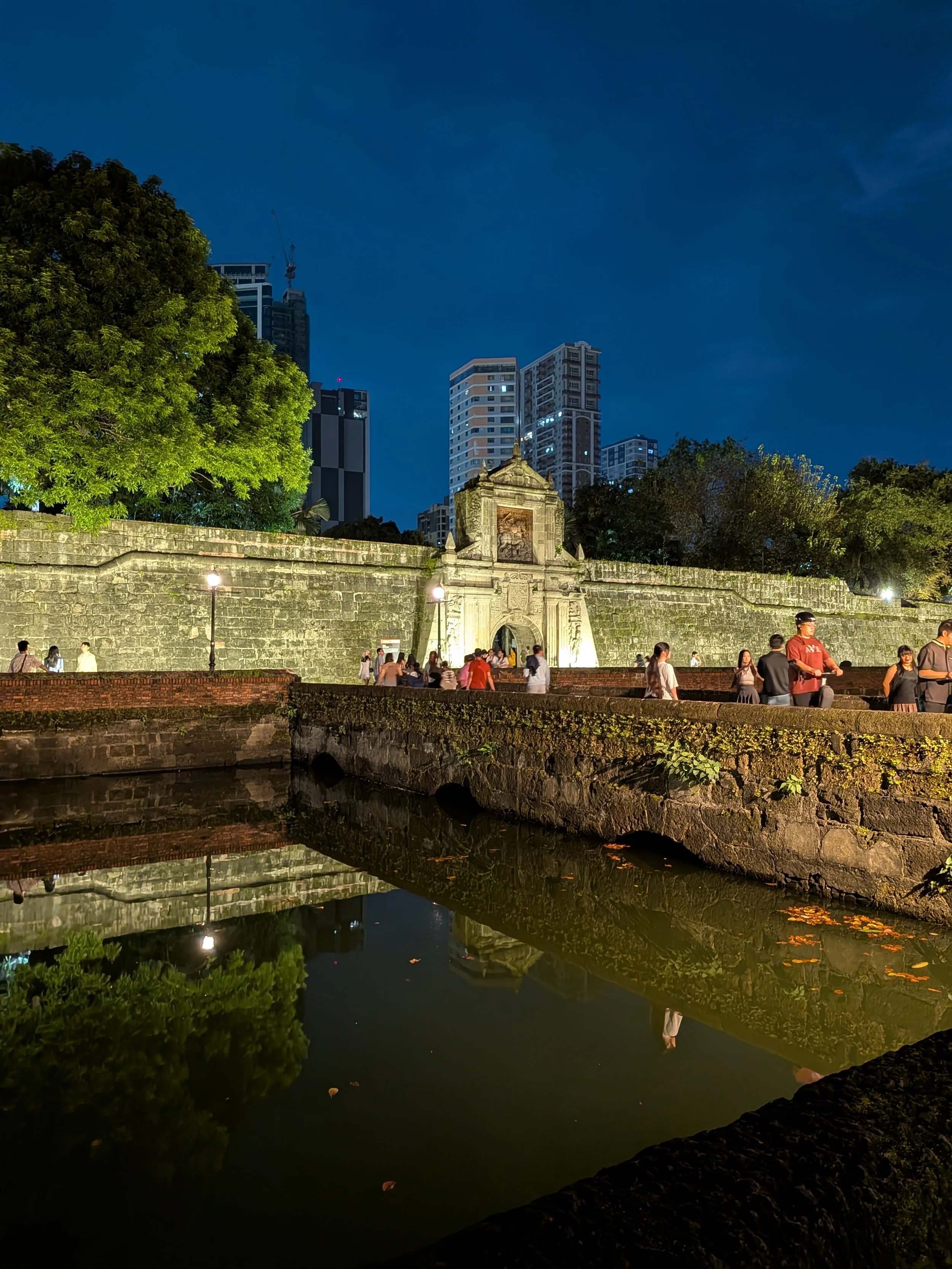
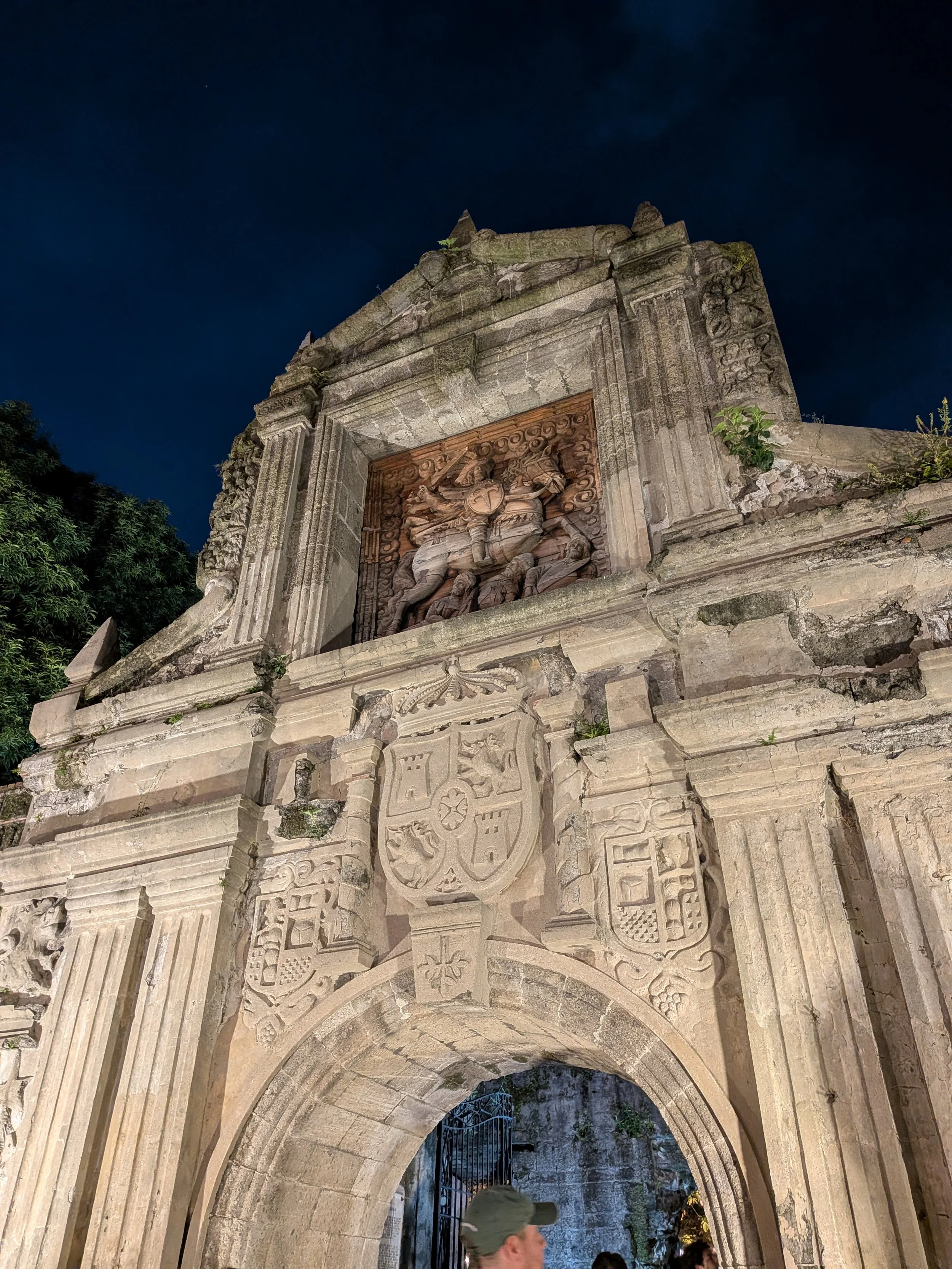
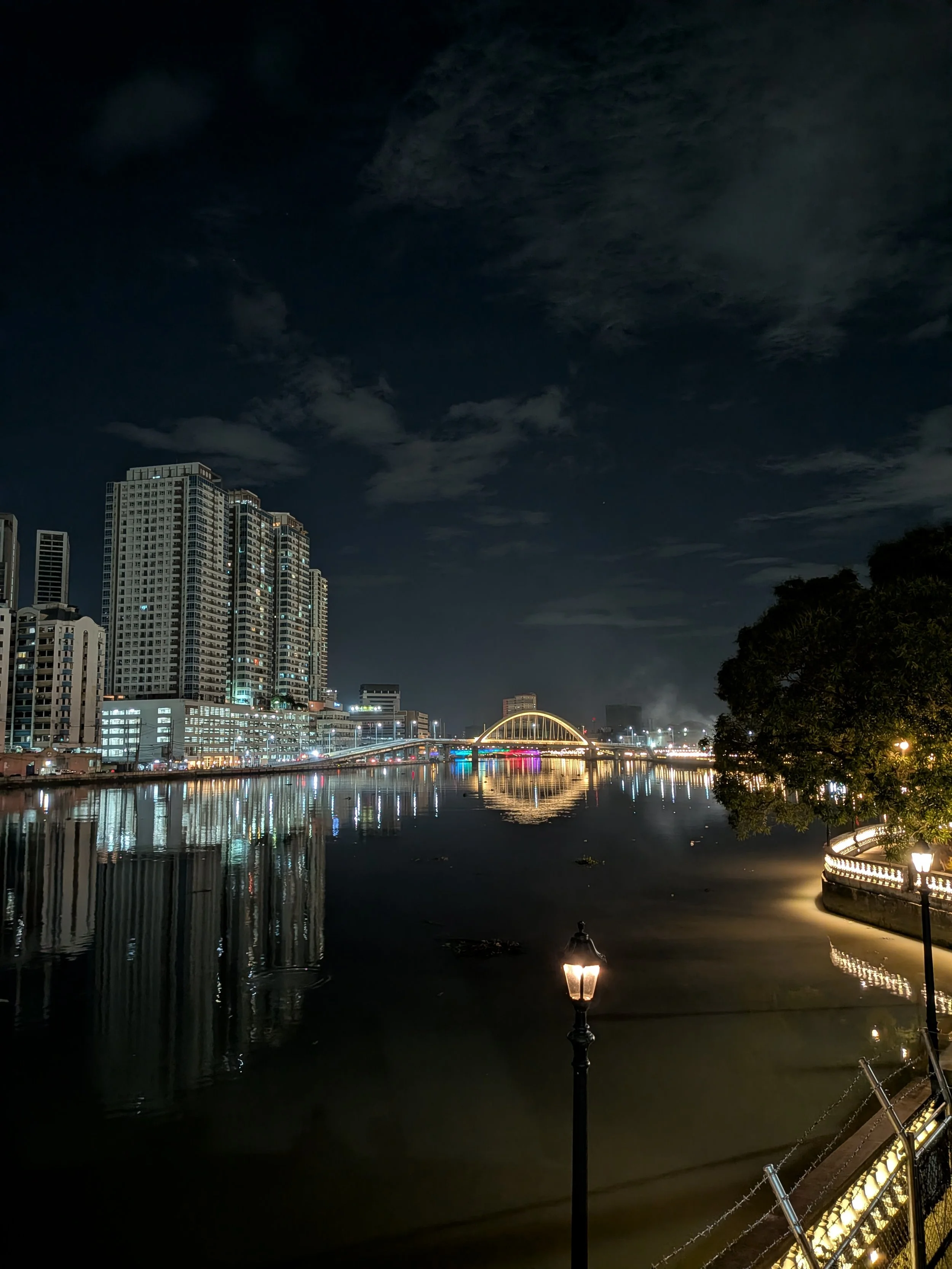
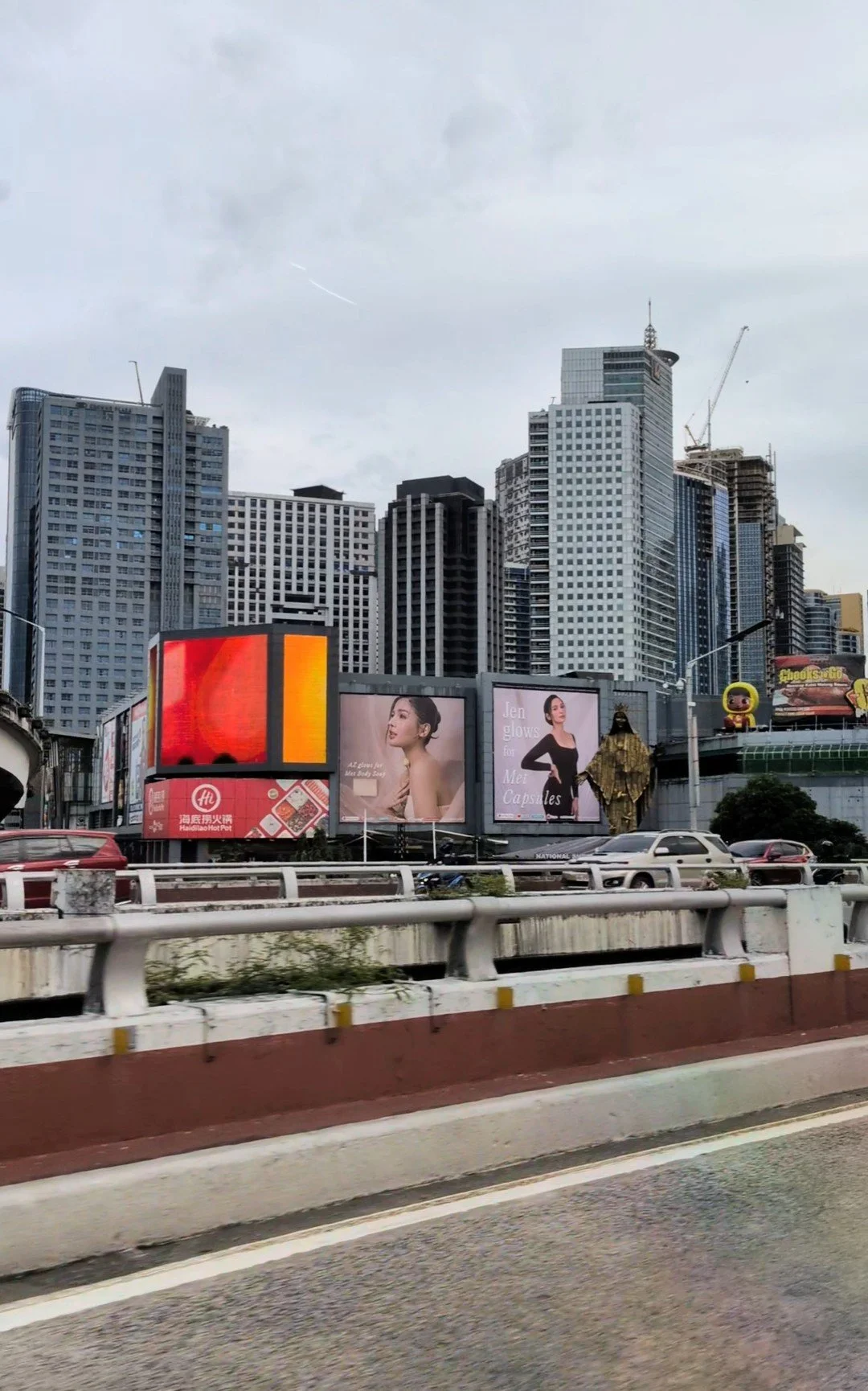
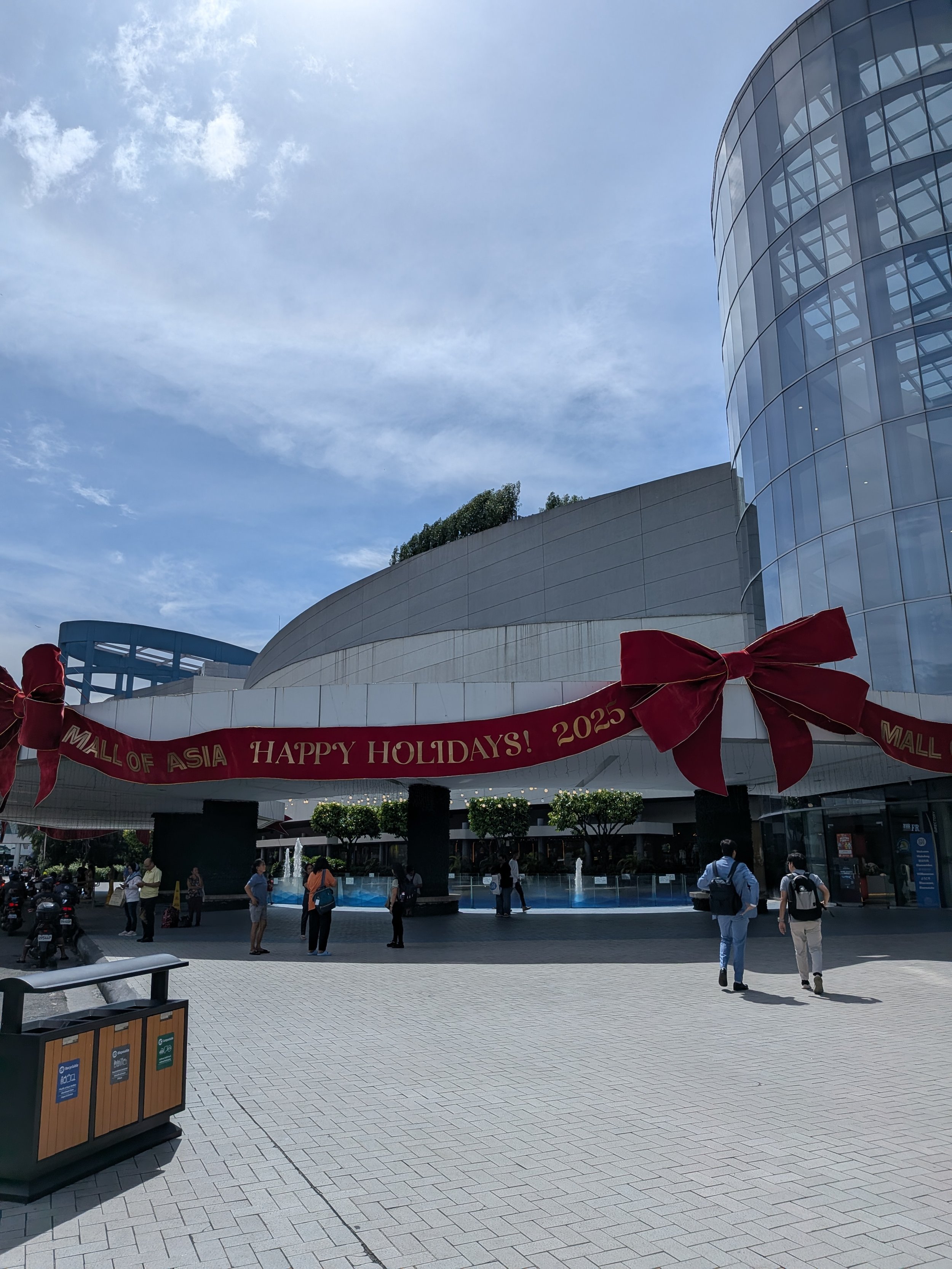
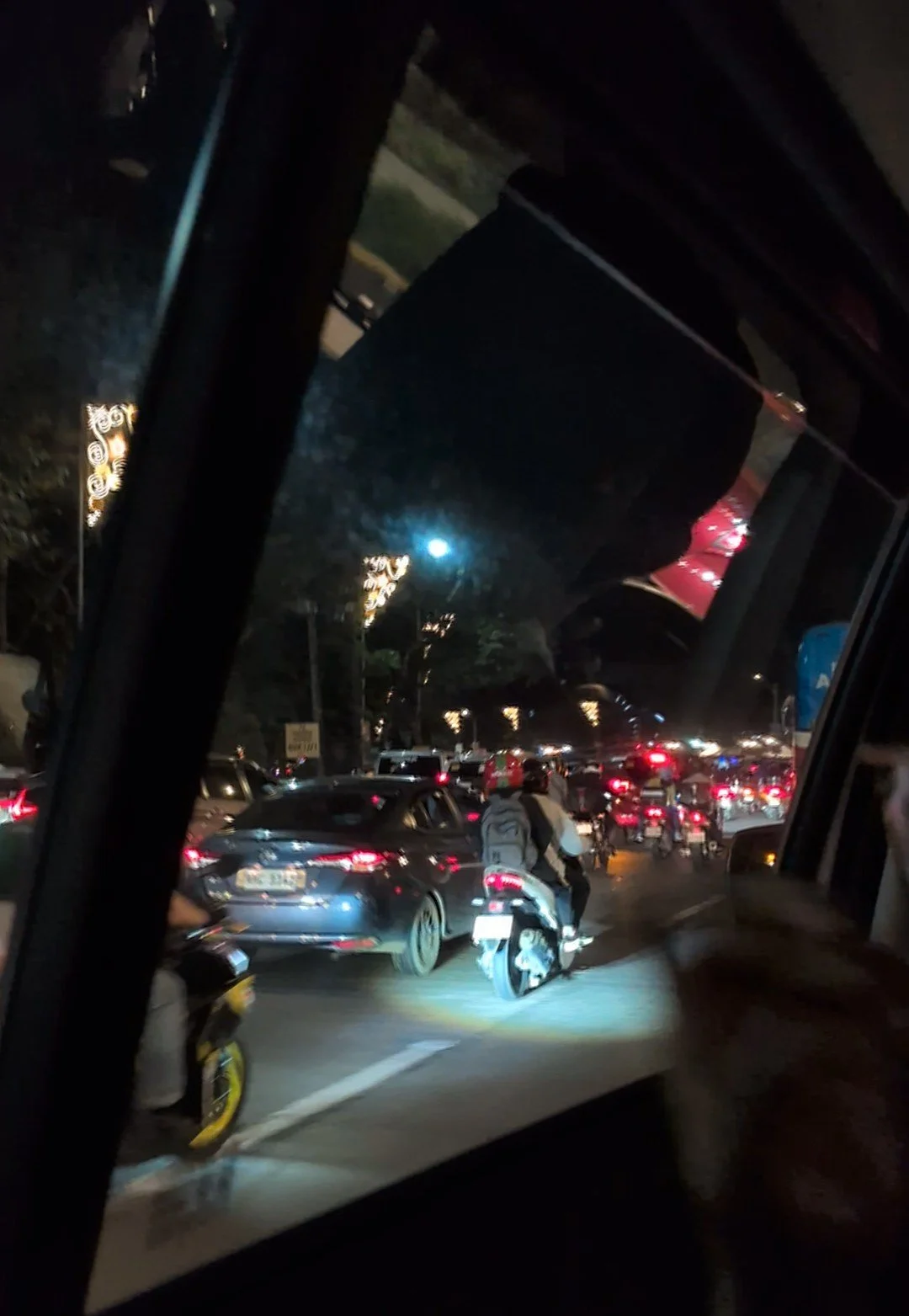
As the capital of the Philippines, Manila captures the heart of Filipino culture and cuisine. One of the reasons why Manila is one of the most densely populated cities in the world is because many people migrate from provinces to find better opportunities in a big city. People from different regions in the Philippines bring their local, homespun traditions and dishes, culminating in Manila.
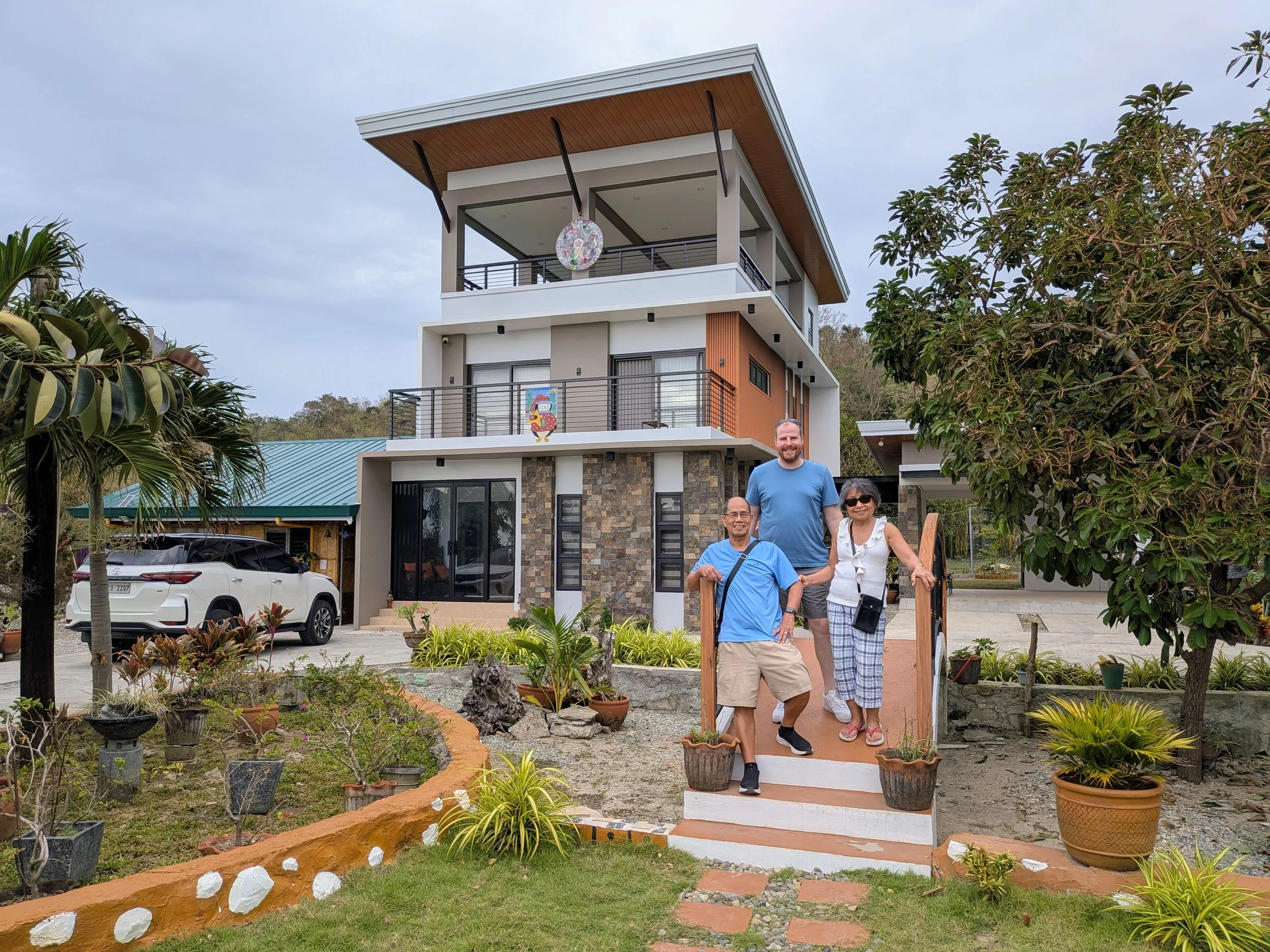
After two full days in Manila, it was time to commence Part 2: Currimao, located in the province of Illocos Norte, in the Luzon region. On Monday, we began our 10 hour road trip from Quezon City to Currimao with an overnight stay in Baguio City. Currimao is where my mom is from, and my parents recently built a house in Currimao with the intention of enjoying the sun and sea while they’re not in Chicago so we already had our accommodations in the province.
Once we were out of Manila proper and on the main highway going to the mountain province of Baguio, city traffic was replaced with rustic views of the countryside. We could have taken a domestic flight from Manila to Laoag (big city 30 mins from Currimao) but since it was Mark’s first time in the Philippines, we thought it would be more fun to take a road trip through the mountains.
The familiar bumper to bumper city traffic started back up again as we slowly approached Baguio City, the largest mountain city in the Philippines. It’s located in the Cordillera Mountains and referred to as “the summer capital of the Philippines,” due to its cooler mountain climate. Its been around 20 years since I last visited Baguio so I was surprised with the significant population growth that is impacting the natural integrity. When we arrived in Baguio City, we had just enough time to visit Mines View Park, Burnham Park and Camp John Hay. After dinner, we checked into our Airbnb and prepped for an early wakeup call.
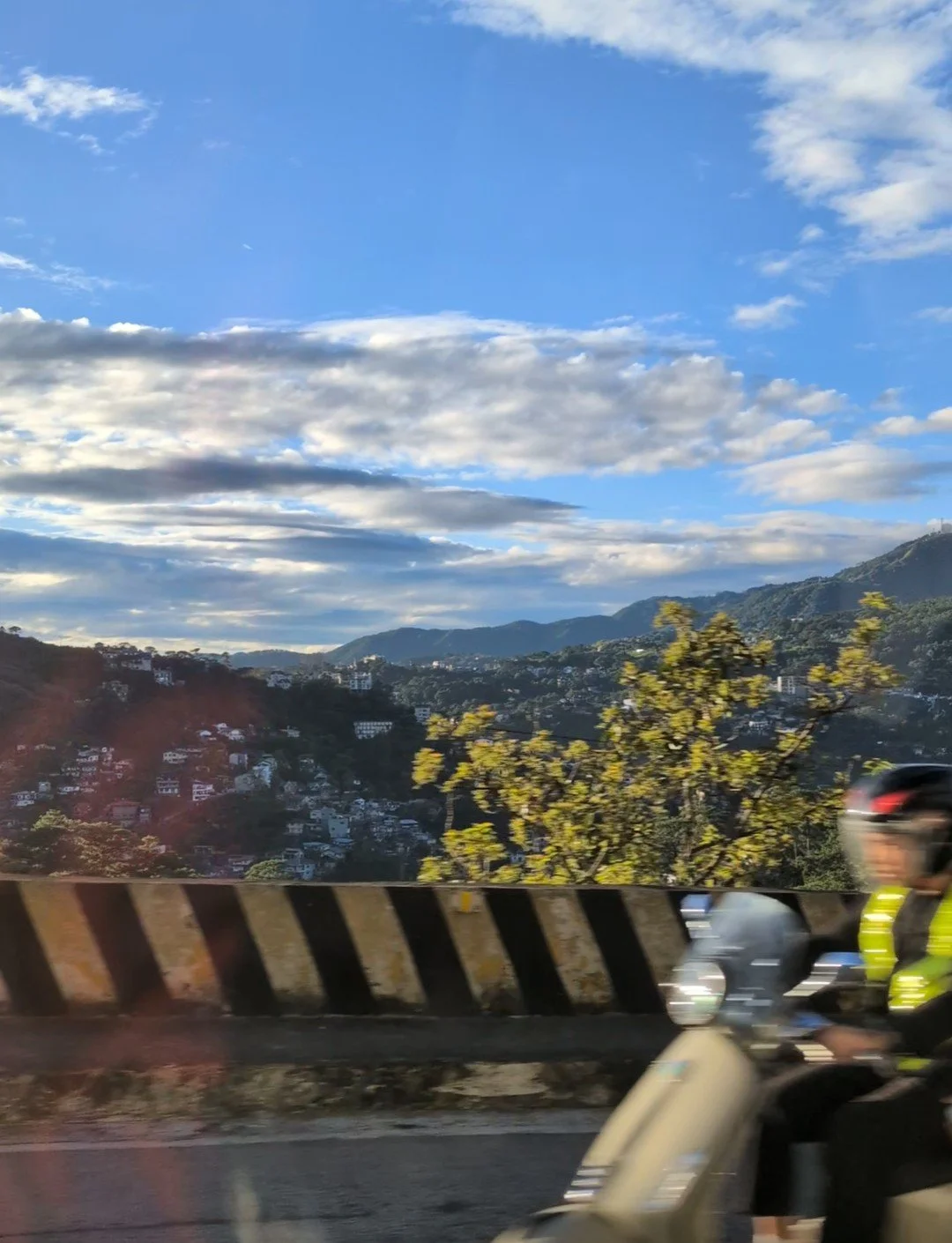
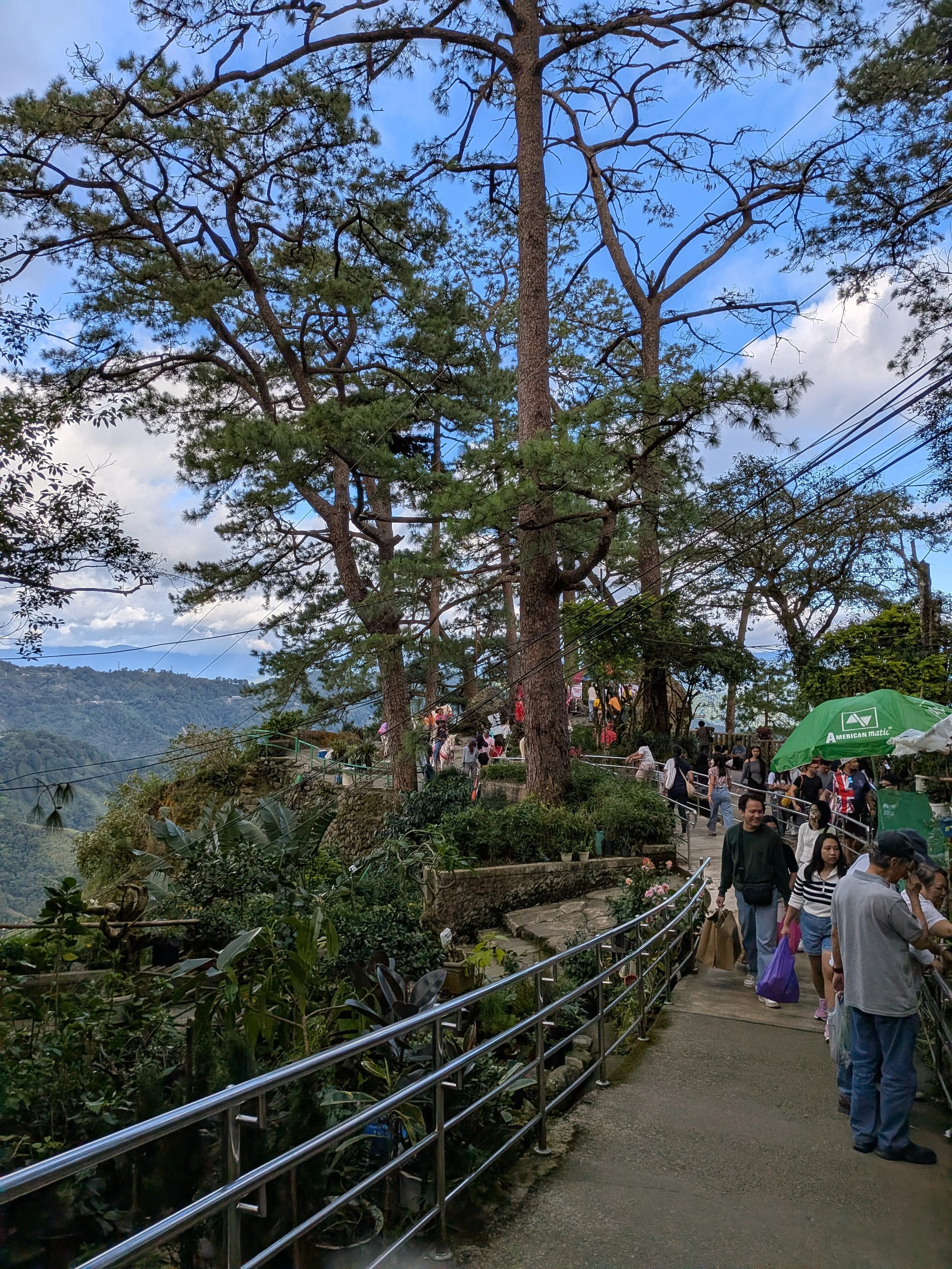
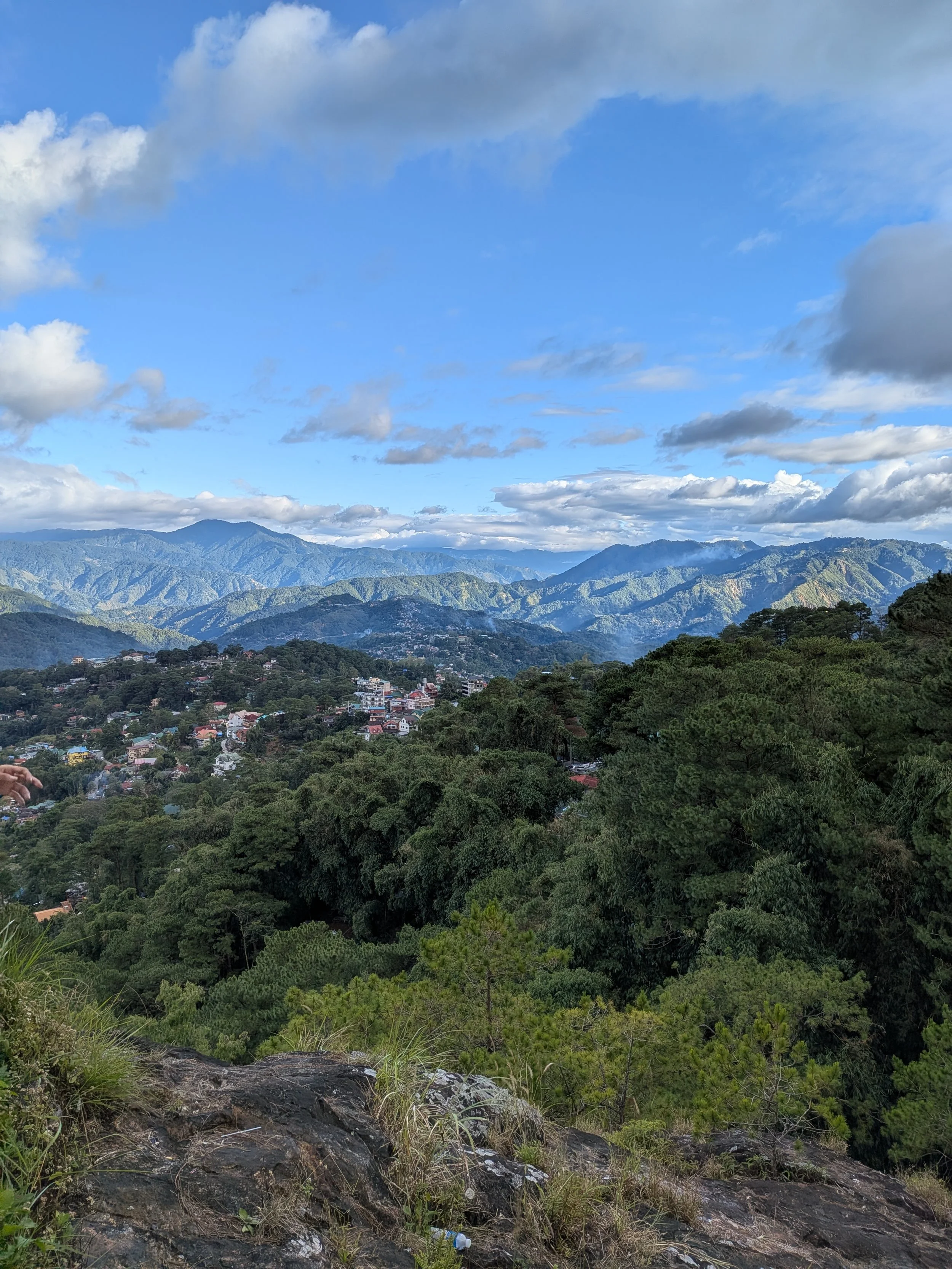
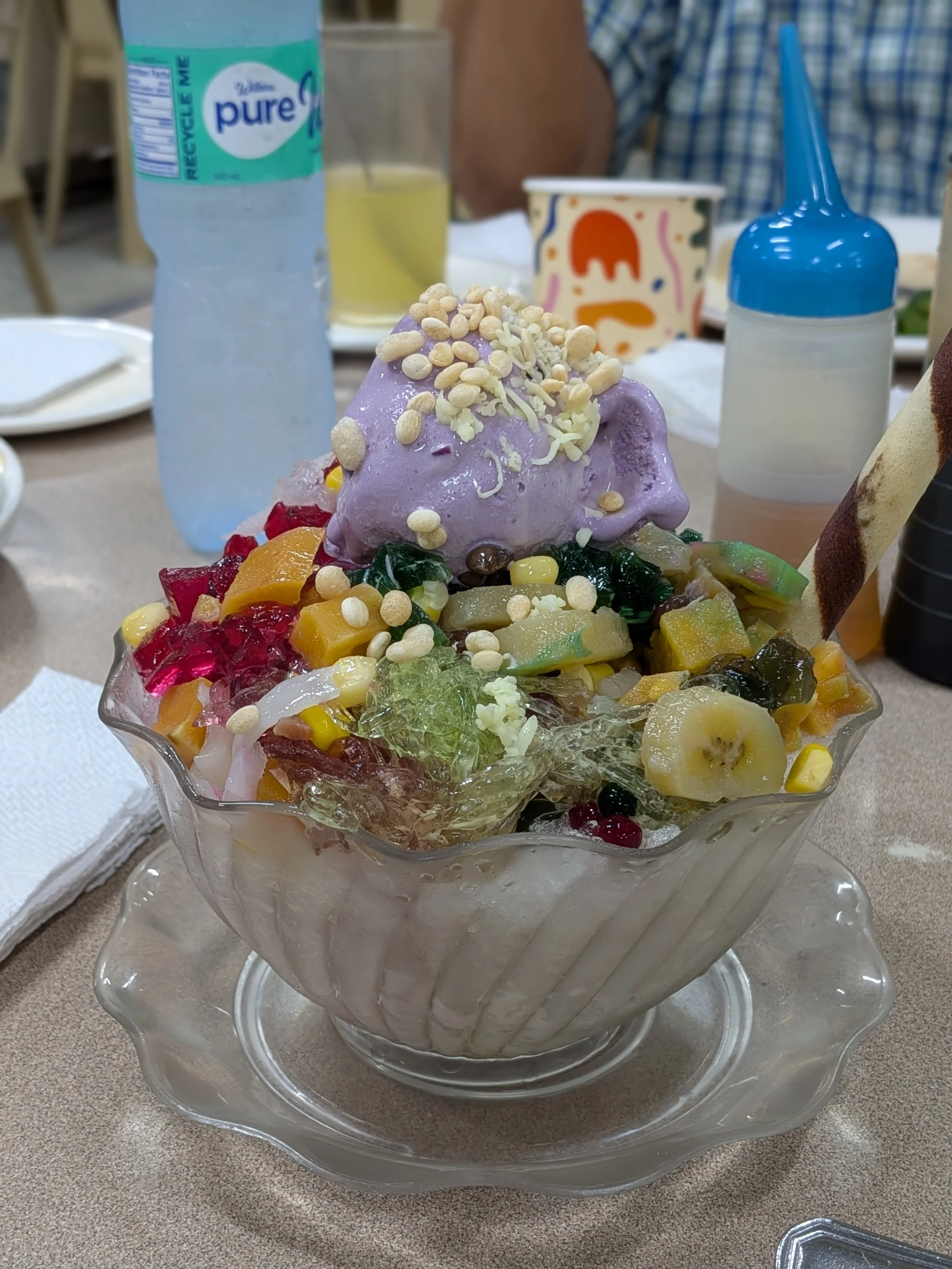
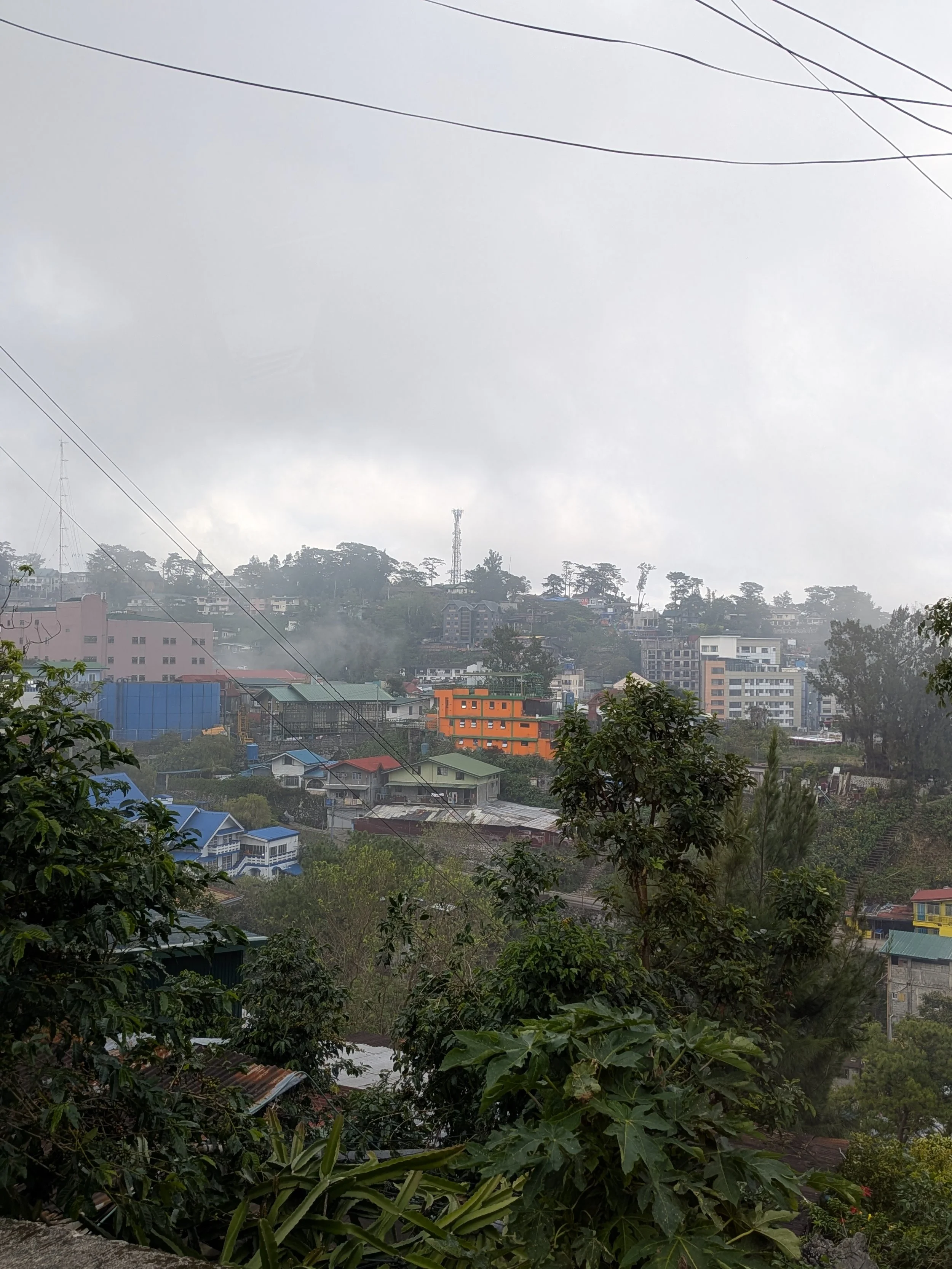
We left Baguio City at 8am the next day because there were still stops to make along our route to Currimao, including Vitalis Villas (Santorini inspired resort) and Vigan City (Spanish architecture and “kalesas”-horse drawn carriages). We had lunch at Kusina Felicitas which had fantastic Filipino food (or rather, continued the pattern of eating fantastic Filipino food). We arrived in Currimao on Tuesday night with a warm welcome from family and friends whom I haven’t seen in a very long time. It felt like a true homecoming.
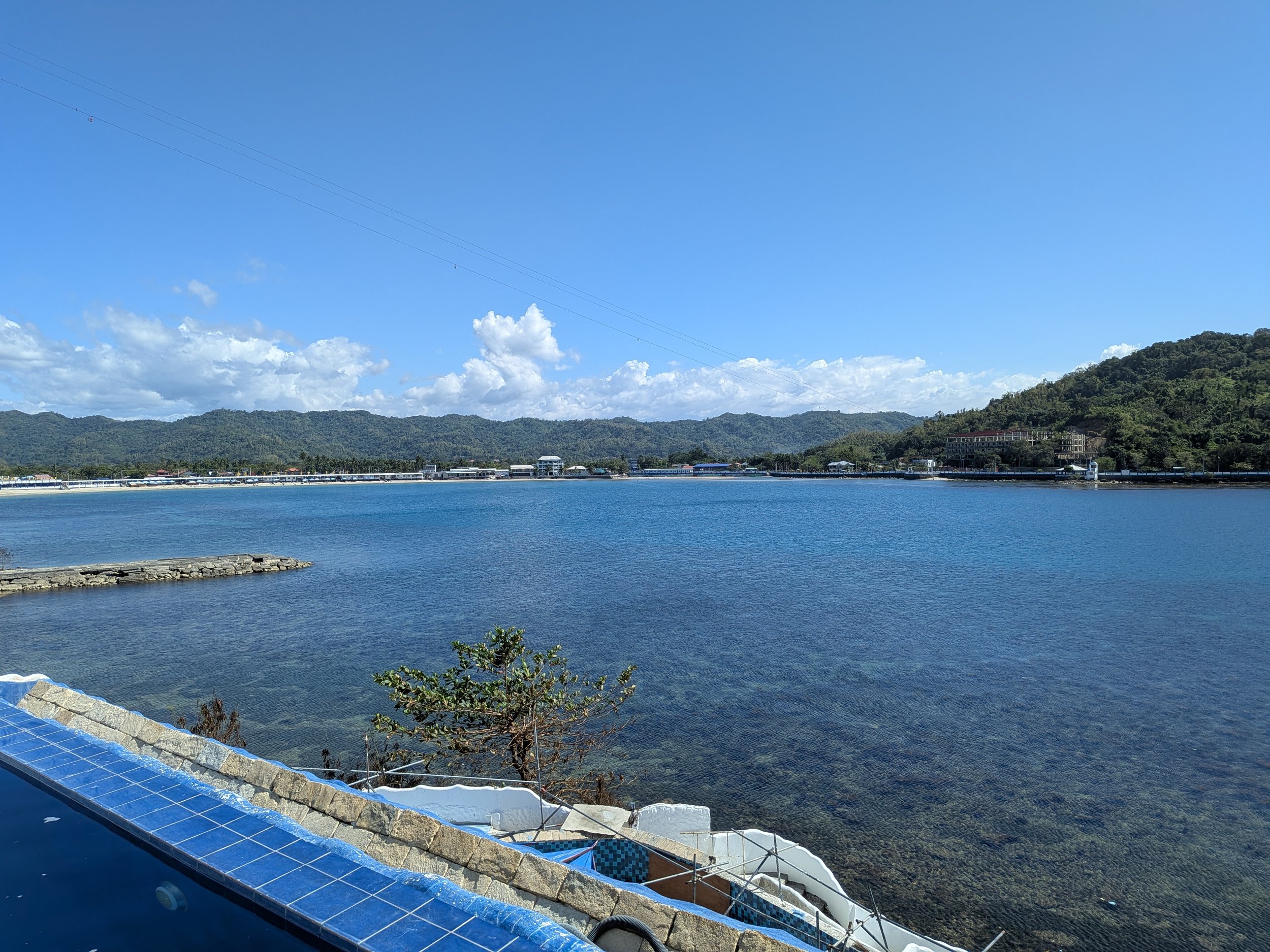
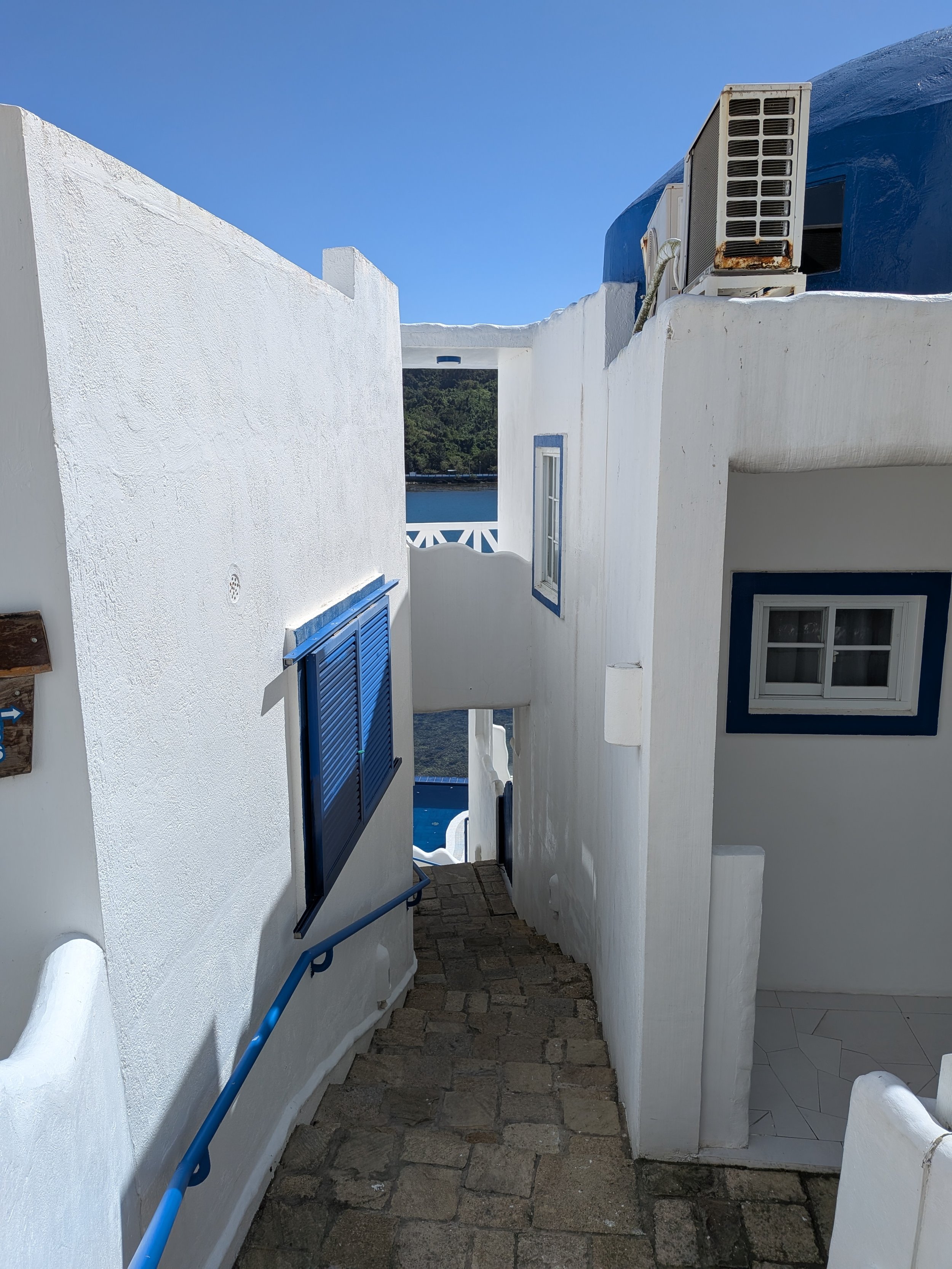
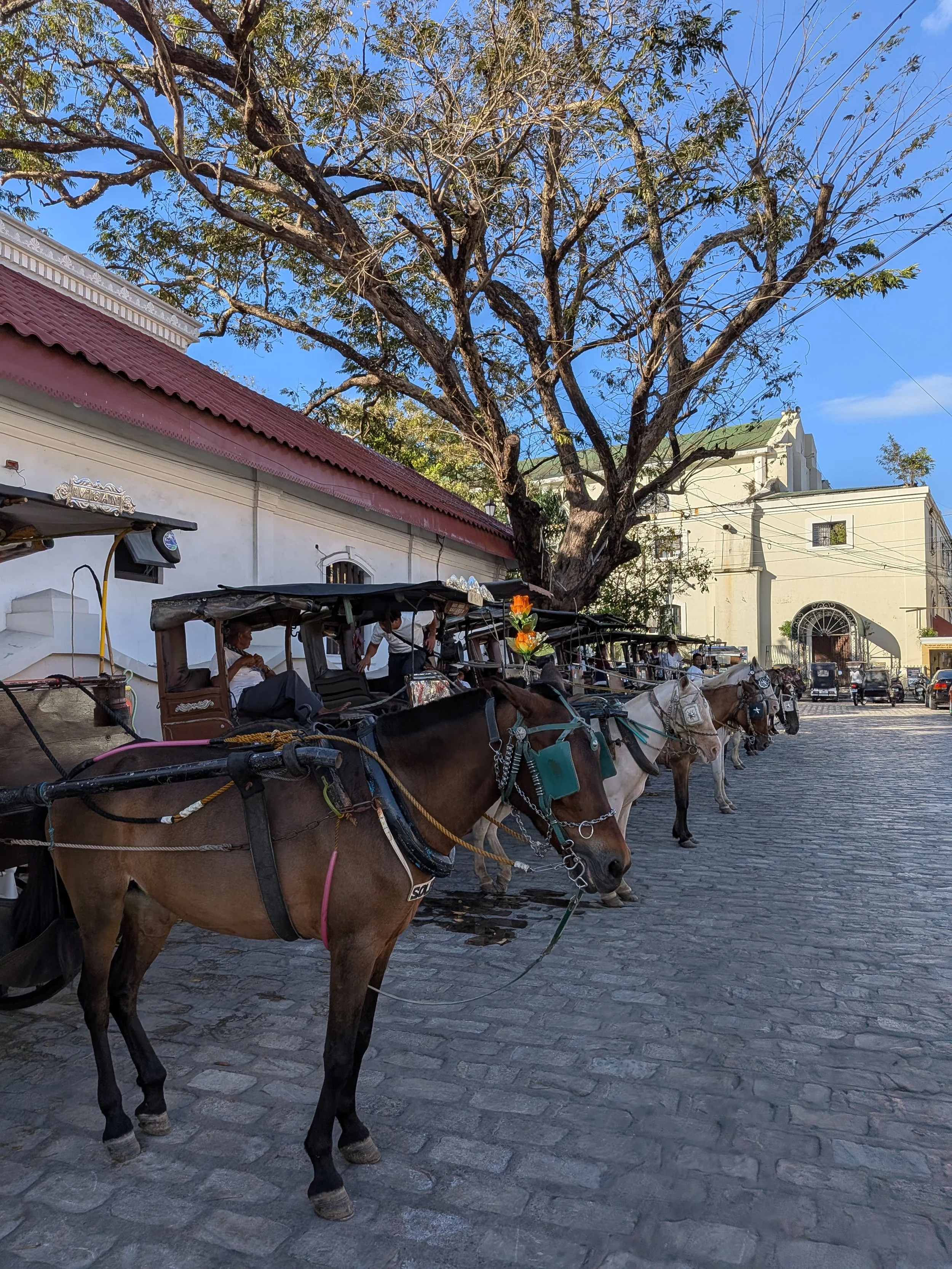
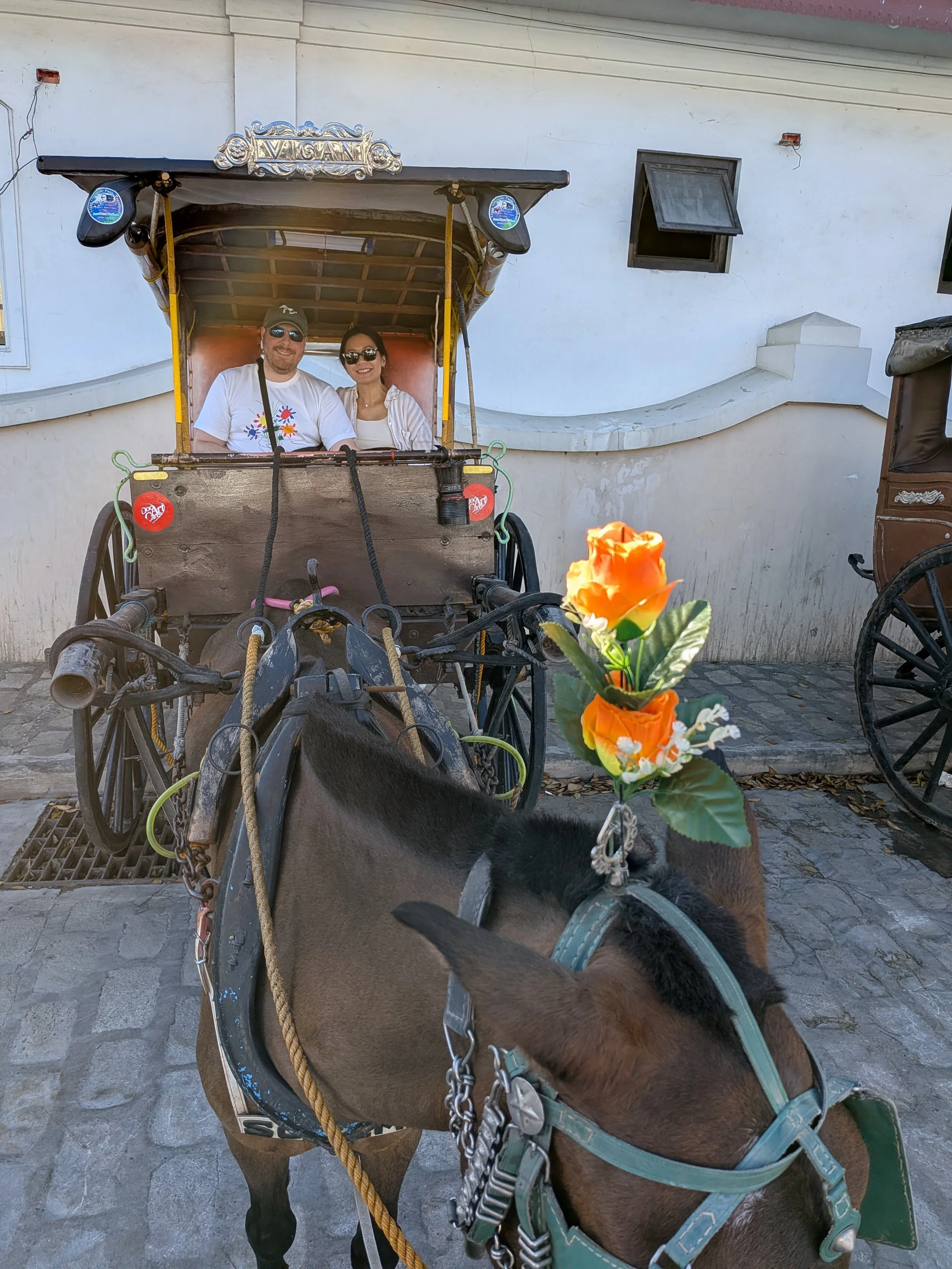
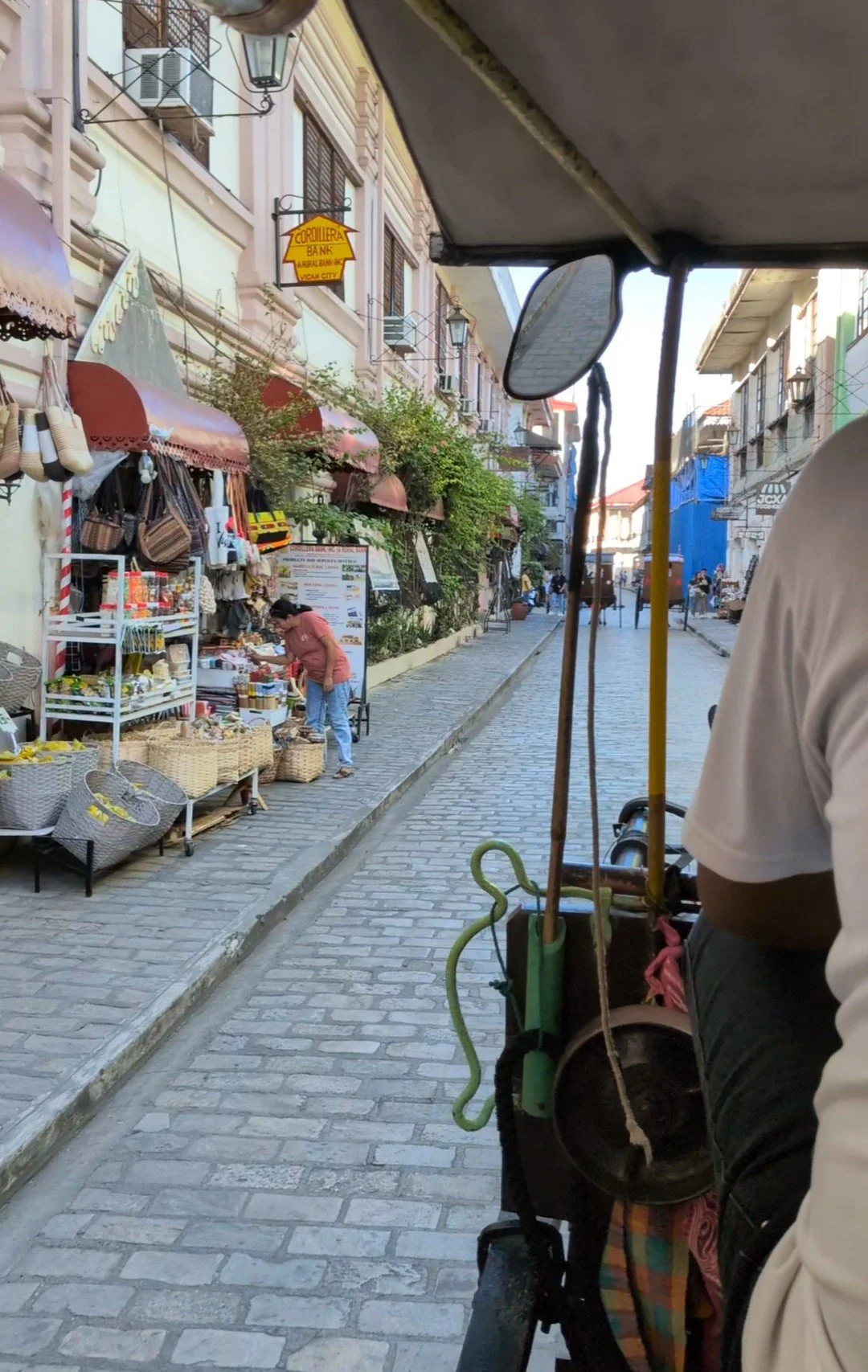
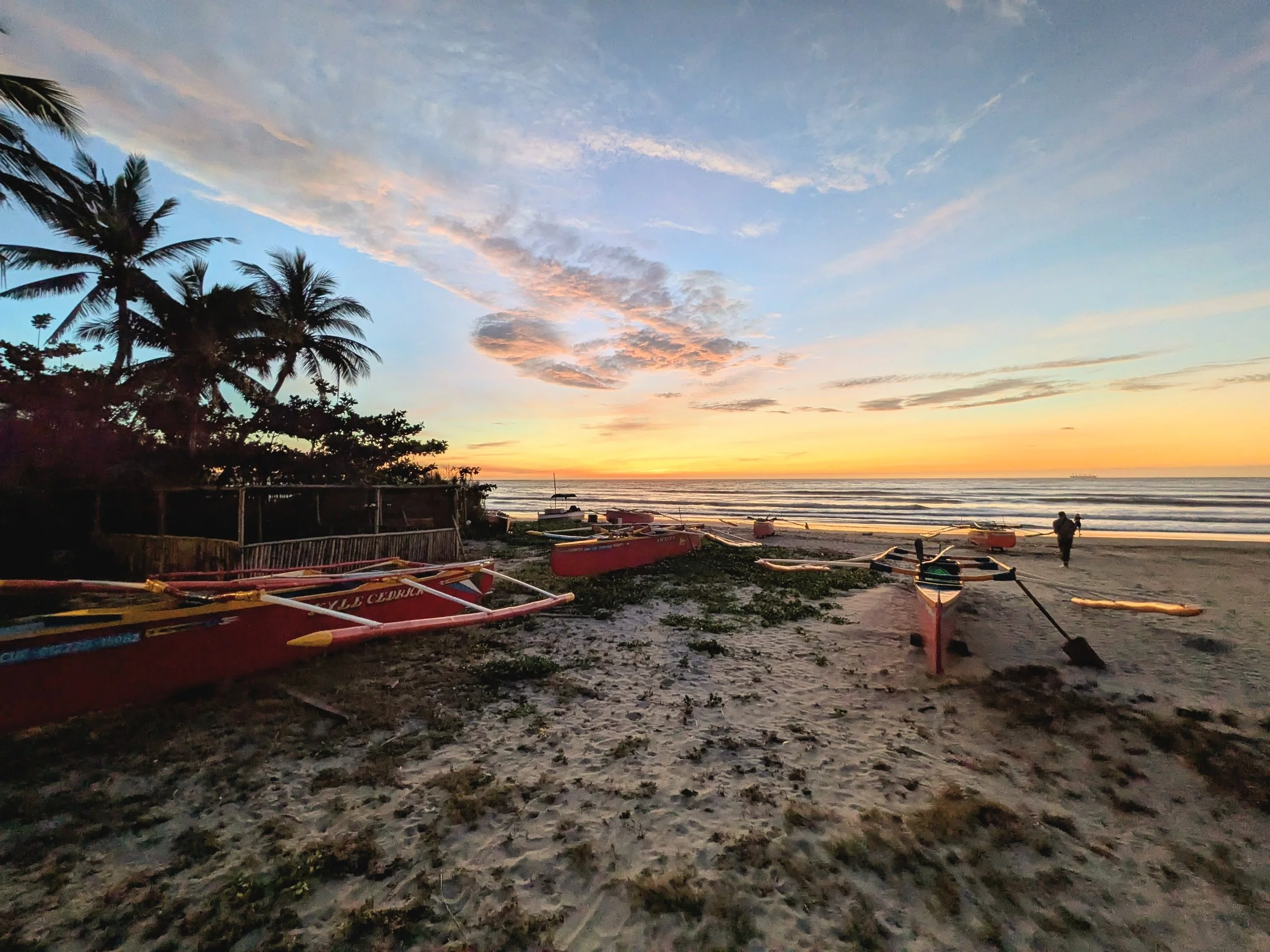
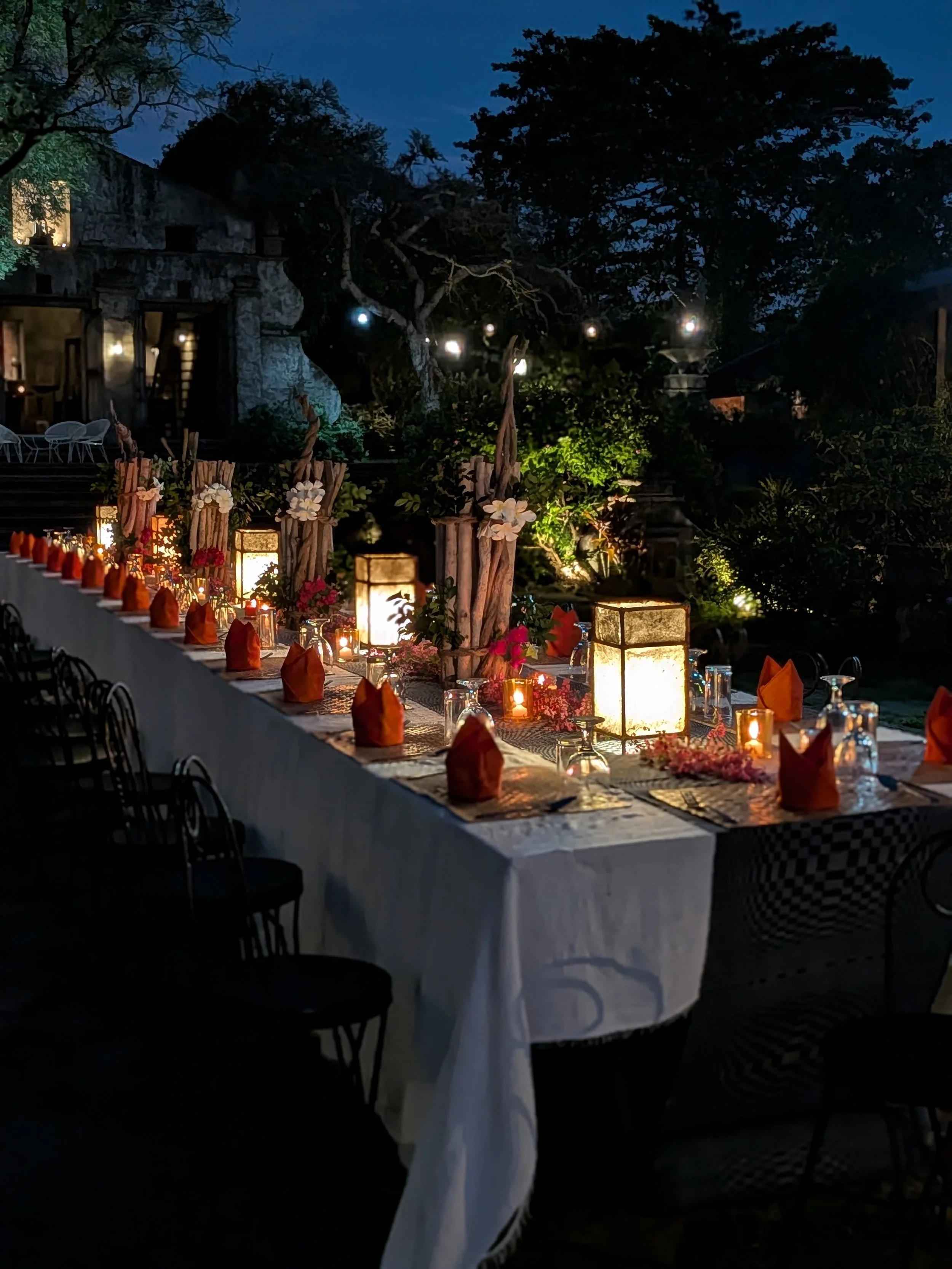
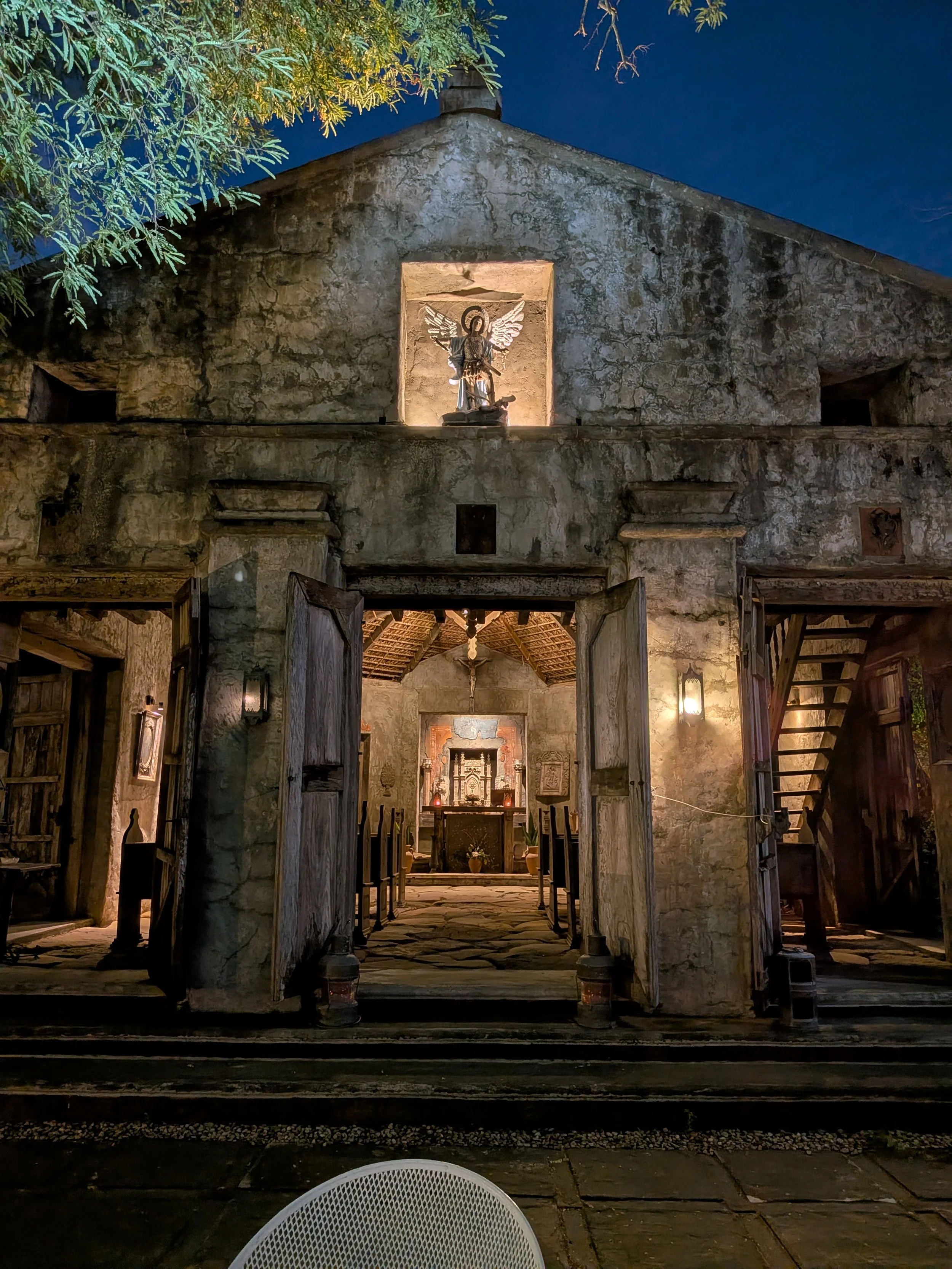
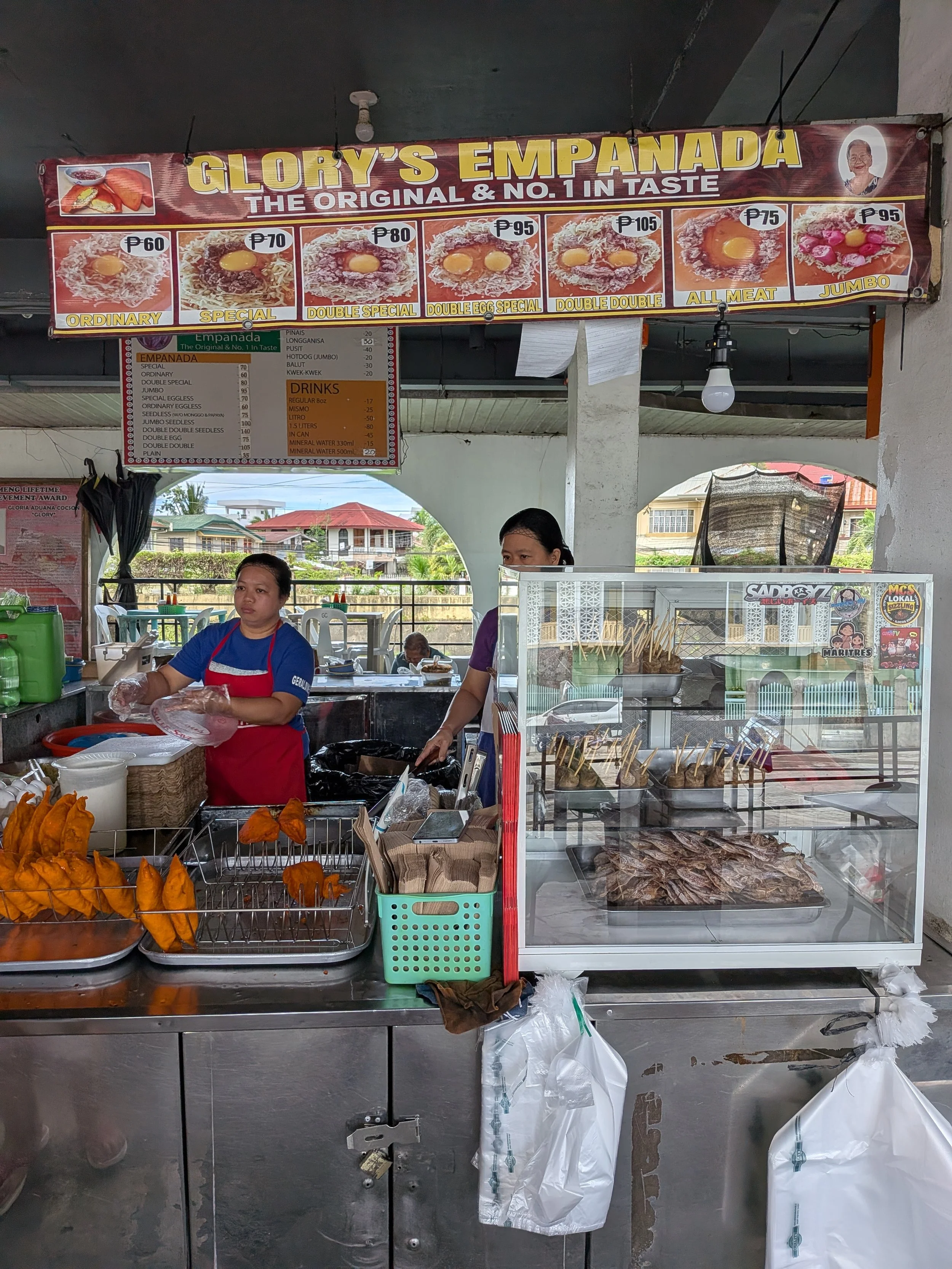
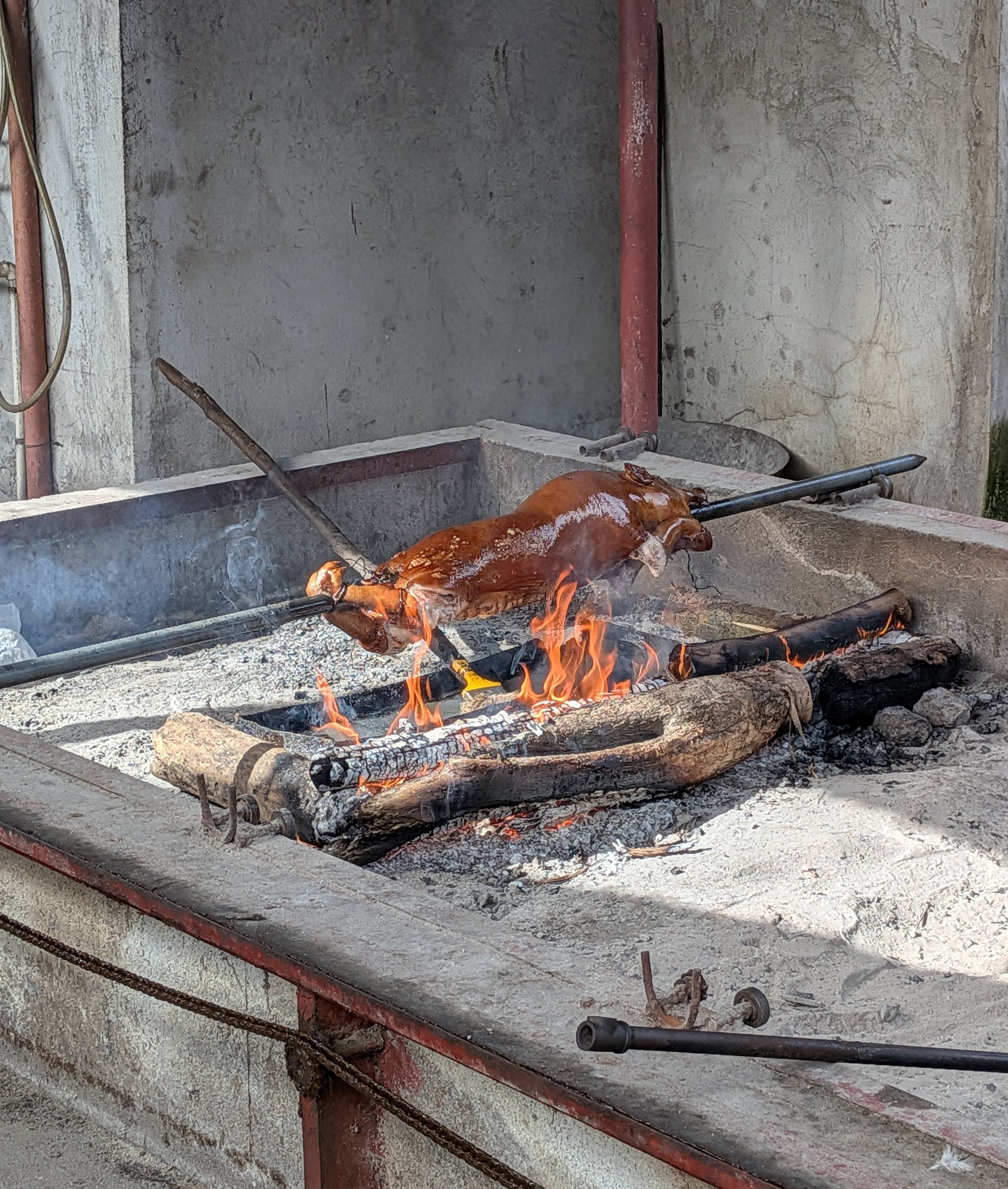
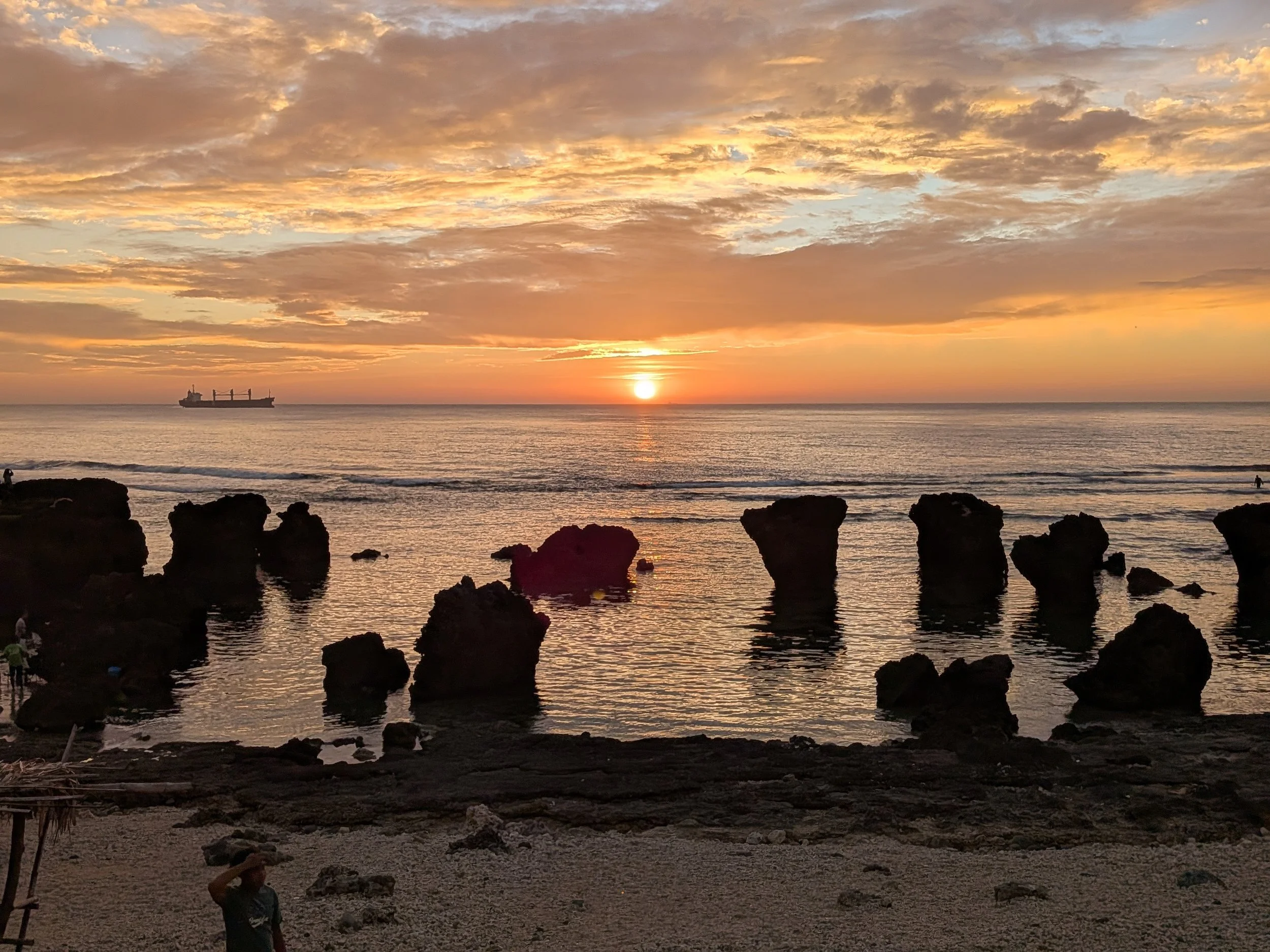
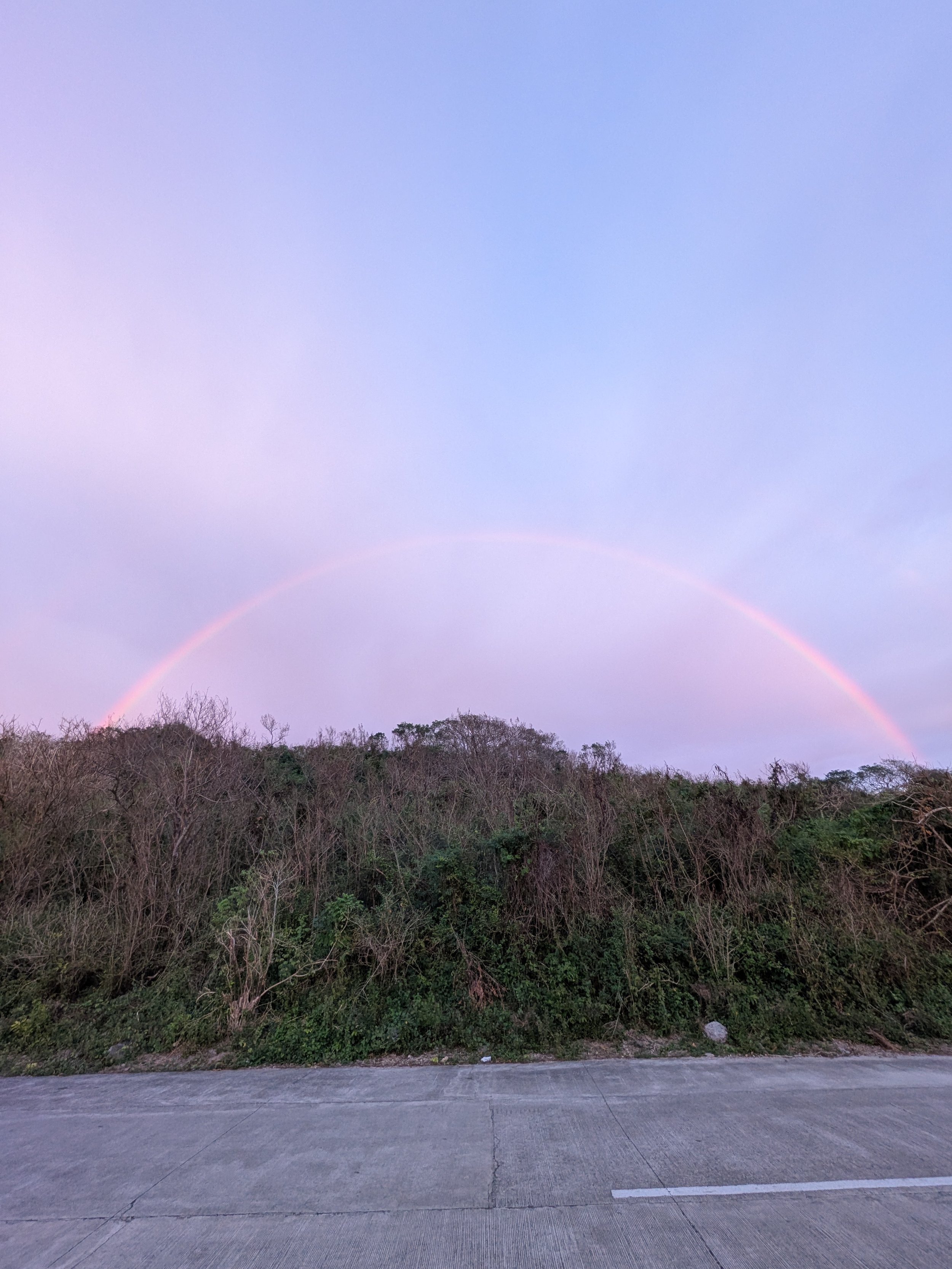
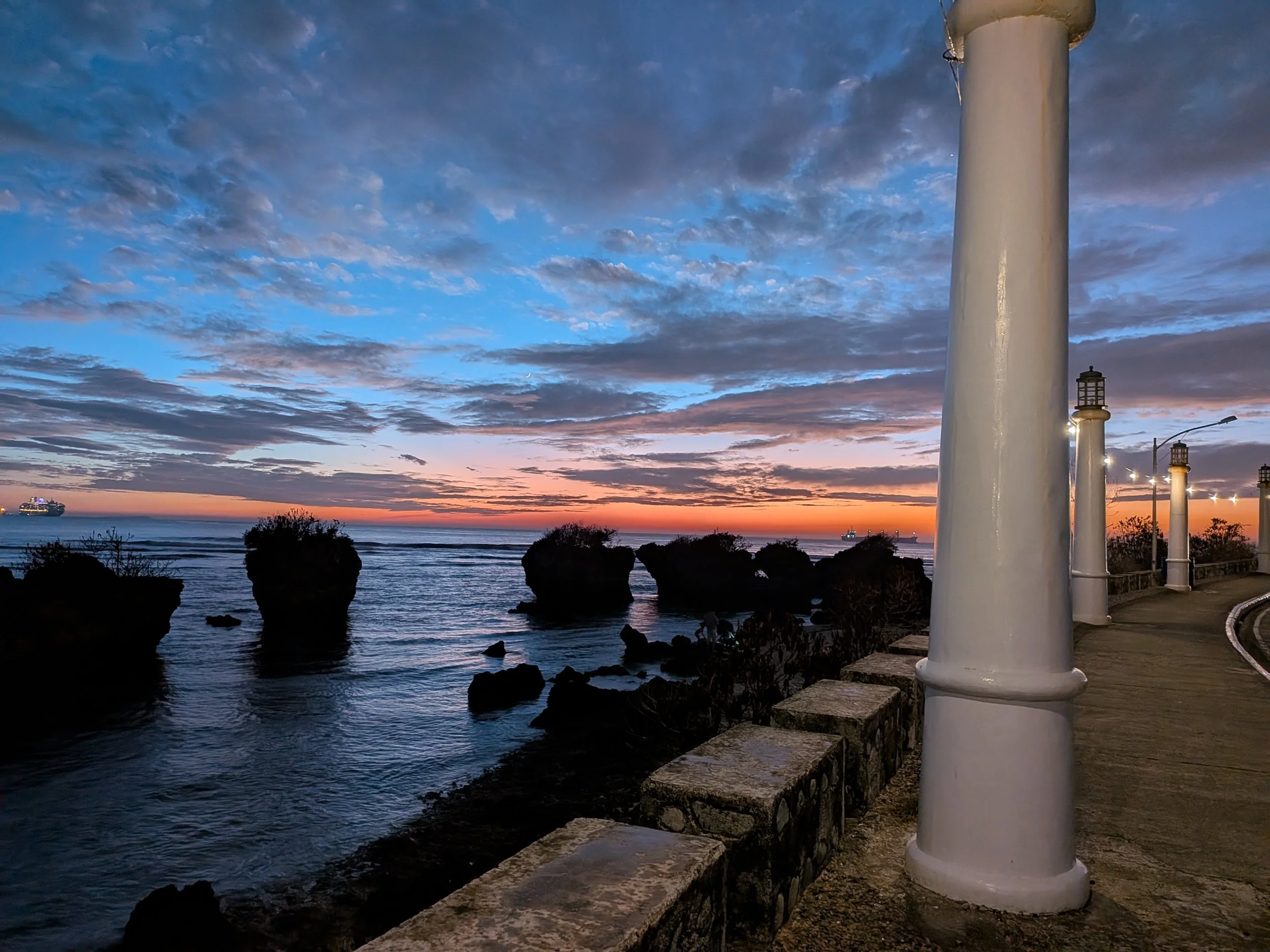
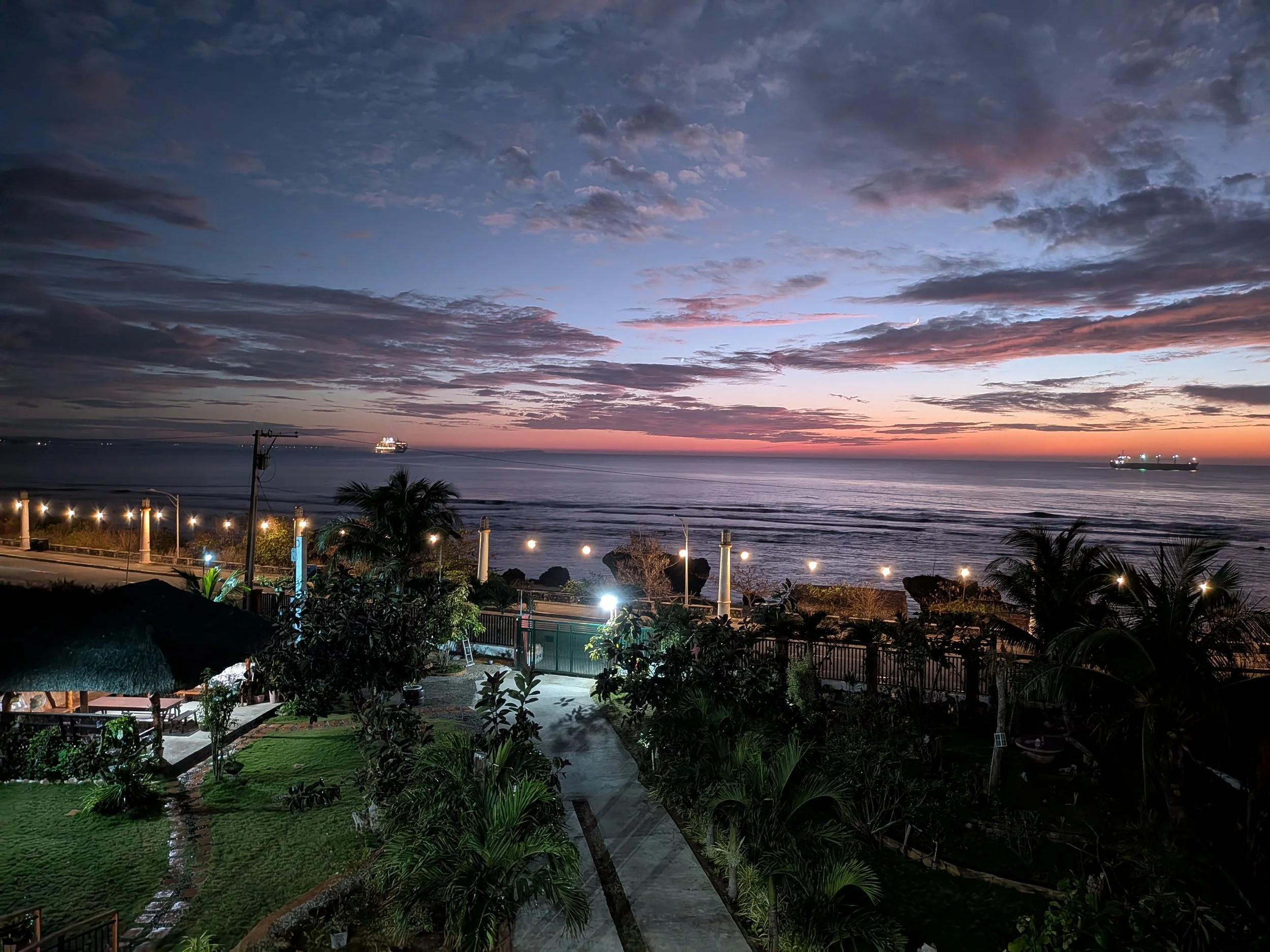
We savored our time in the slower pace of provincial life over the next four days. Currimao is a charming town on the coast of the South China Sea with beautiful rock formations and a relaxing atmosphere. They have a house along Seawall Blvd, with an unobstructed view of the water and perfect sunsets. During our time in Currimao, we spent our time connecting with family and enjoying local activities such as Paoay Sand Dunes, eating Gloria’s famous Glory’s Empananda in Batac (where she still works), and popped into Casa Ali Flomir a couple of times for refreshing calamansi refreshments. One evening we had a family dinner at Sitio Remedios, a “heritage village” paying homage to Ilocano culture and architecture located on a private beach resort. It’s a stunning place.
After spending time with family I haven’t seen in 15 years, it was an emotional departure as our plane took off from Laoag airport. Time did its work and the maturity and perspectives have evolved to invite more understanding, acceptance, and self-realizations. This part of the trip certainly inspired a lot of existential questions about self, family relationships, and potential future plans if Mark and I were to spend more time overseas.
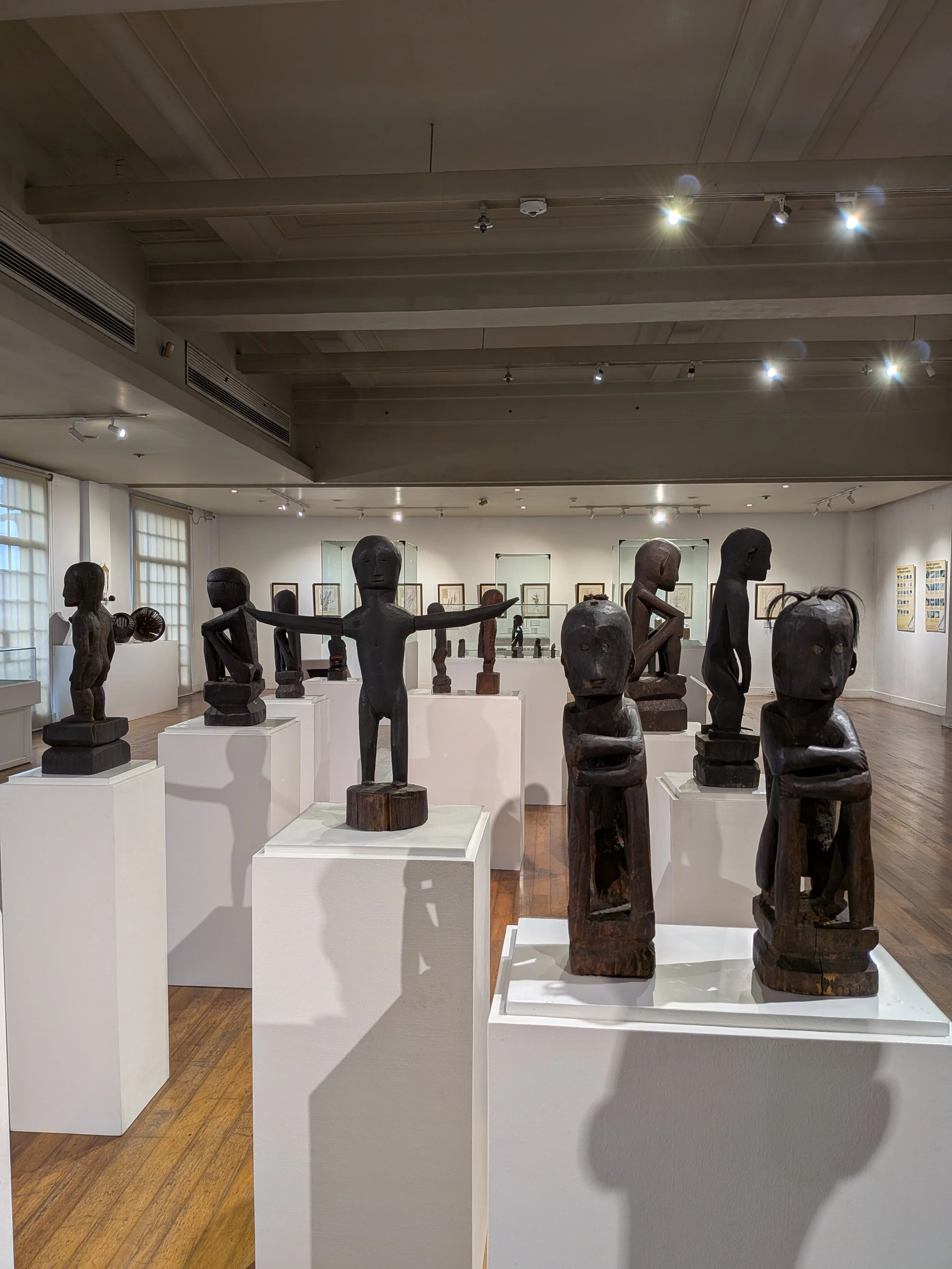
There’s no direct flight from Currimao/Laoag to Palawan so we had to fly back to Manila for two days. It gave us a chance to hit a reset button and repack our bags for the beach, but not without a quick trip to the National Museum of Anthropology. I said it once but I’ll say it again: learning more about the local culture, especially its history, elevates your experience in that particular area. Ironically enough, my aunt had her artwork displayed as she is one of the few people in the Philippines who can write and read the ancient Filipino script of Baybayin.
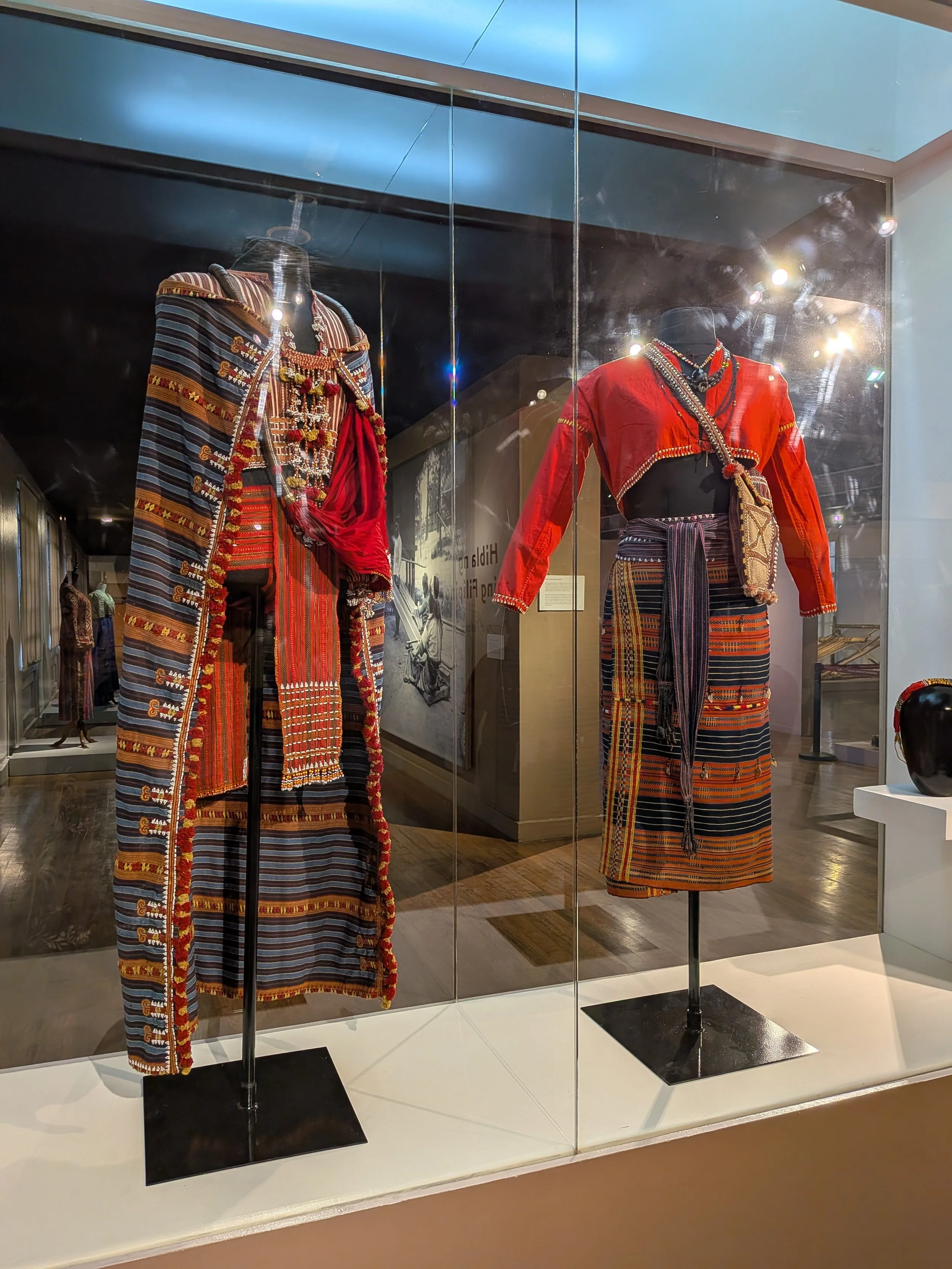
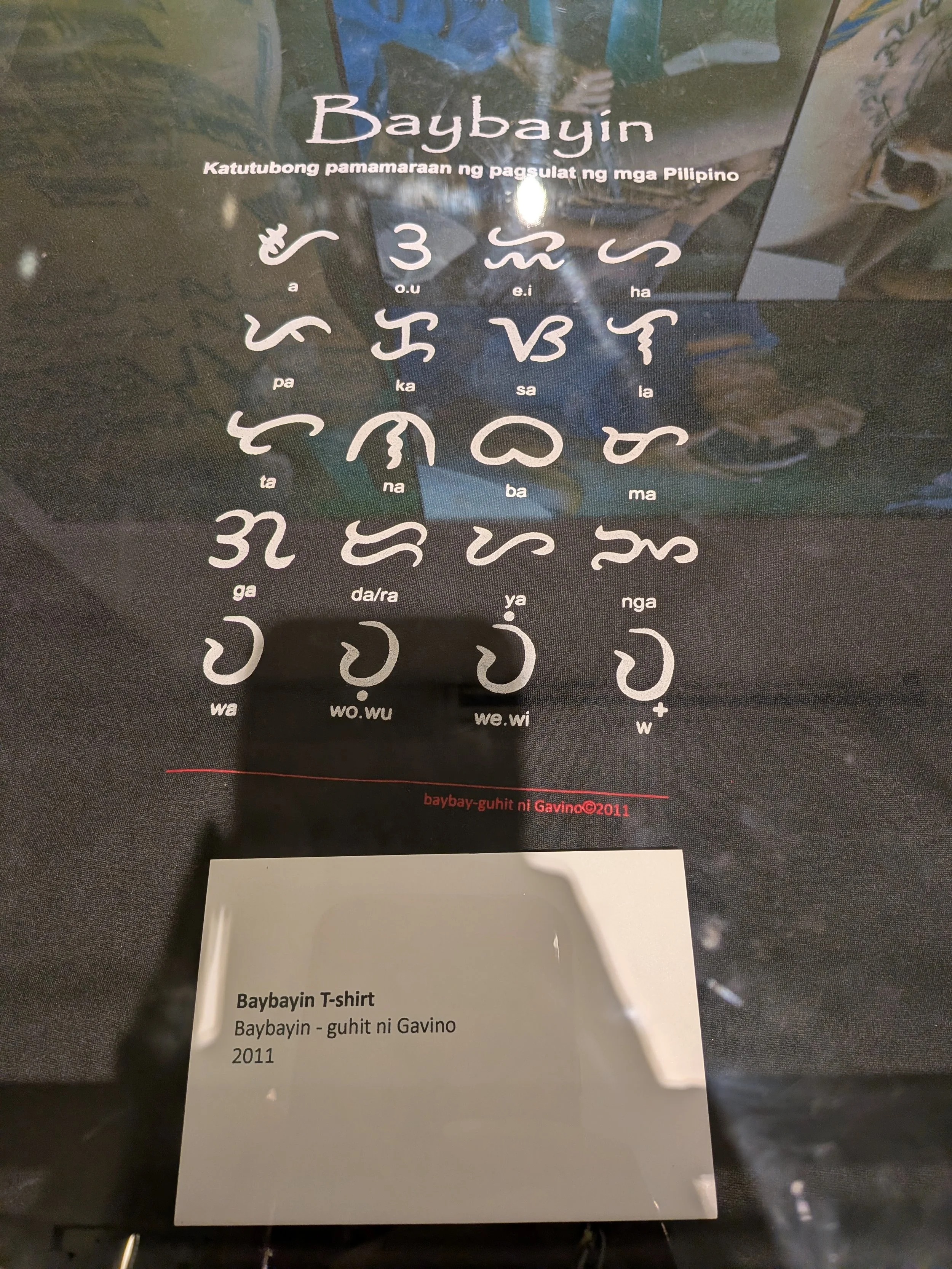
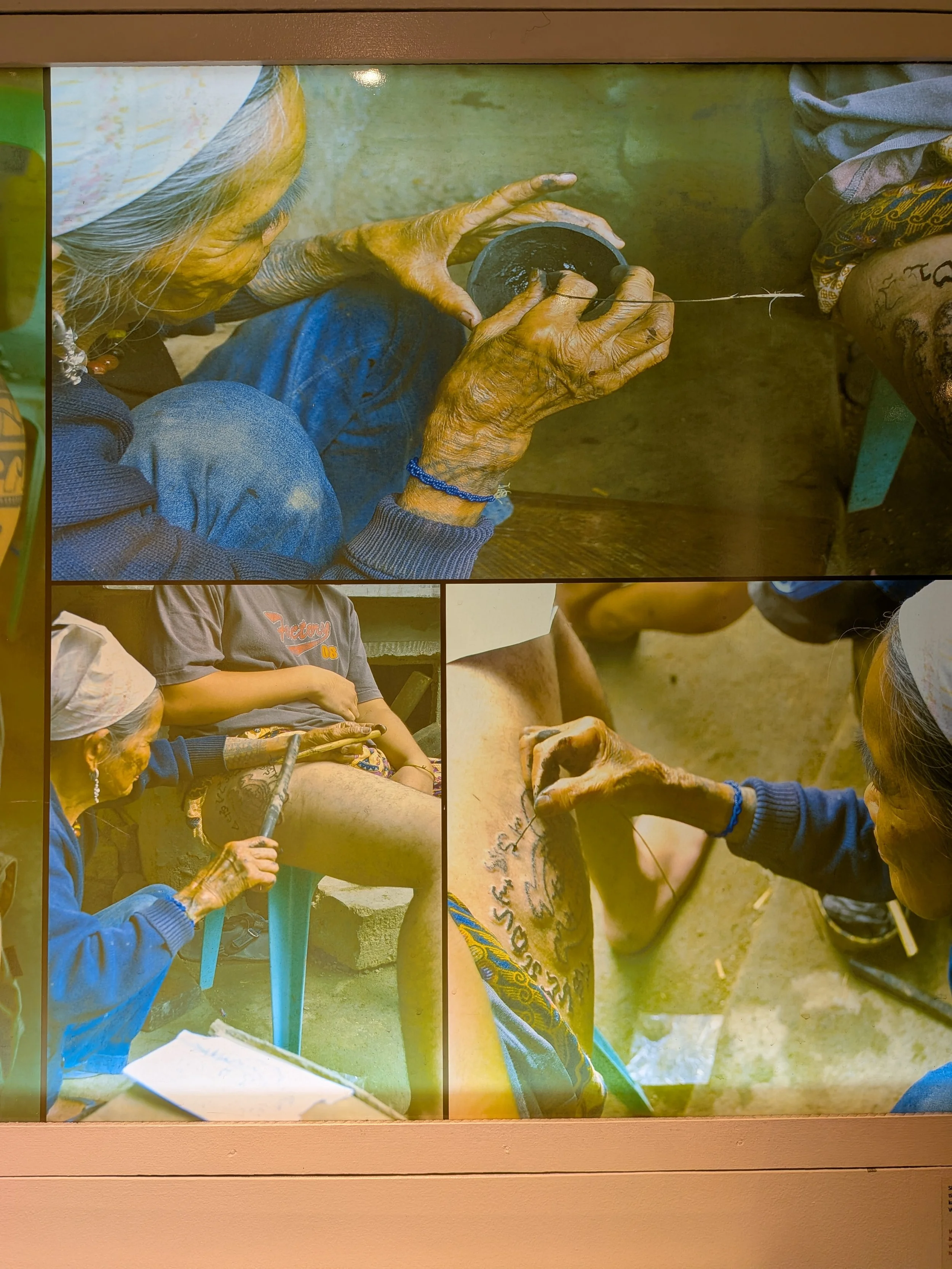
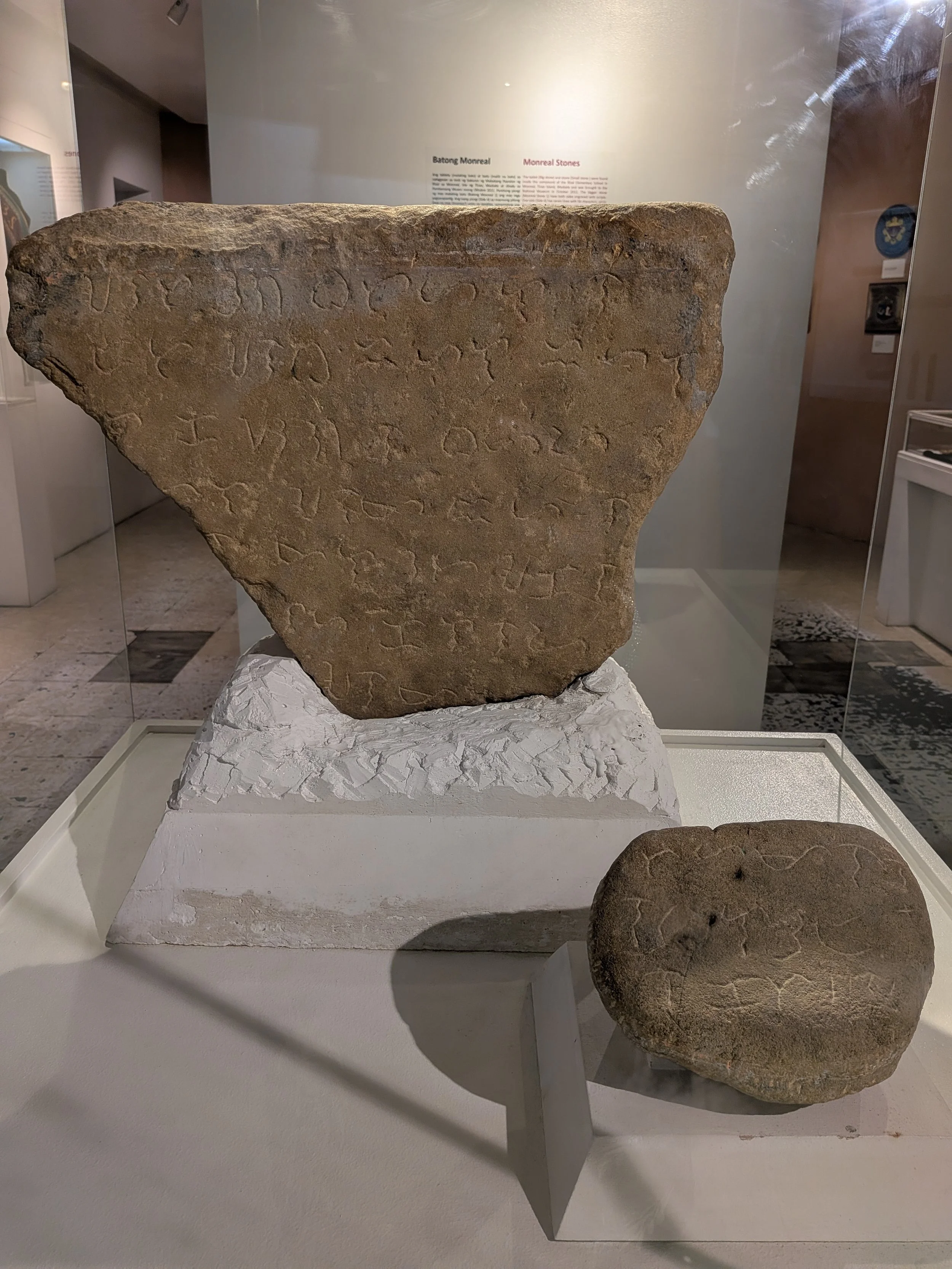
We were suppose to be in Manila for only two days but when we arrived at Ninoy Aquino International Airport (NAIA) at 3:30am for a 5am flight to El Nido, we were notified that our flight would be delayed by two days because of a tropical depression in Palawan. After contacting our travel agent, who helped us with our Palawan package, we booked two nights at the Marriott that was close to the airport. Requesting an early check-in at 4am is a lot to ask but luckily the amenities at Marriott Manila are great and felt a little bit like home. The Marriott is connected to Newport World Resorts which consists of a shopping mall, theatre, and casino so it was still a better option than being in El Nido and restrained to our hotel room due to heavy rain and winds. Over the next couple of days, while all flights to Palawan were still landbound, we did countless laps around the mall to get our steps in and ate the equivalent calories lost at Nikkei Robata, a delicious Japanese restaurant inside Newport World with a great Happy Hour menu.
PALAWAN
El Nido
After an unexpected hiatus, we were finally on a plane to El Nido! The postponement didn’t affect our scheduled boat tours because we had already planned extra days in El Nido. The new time line allowed us to have one free day and two days for boat tours/island hopping. We stayed at Lihim Resorts which is nestled in the mountains about 15 mins from El Nido’s downtown area. The location is stunning and secluded but the exclusivity did have some challenges, specifically transport to/from the hotel with only a 4x4 pickup truck. It’s a resort that was trying to promote itself as an opulent, five-star experience but it fell a little short of our expectations.
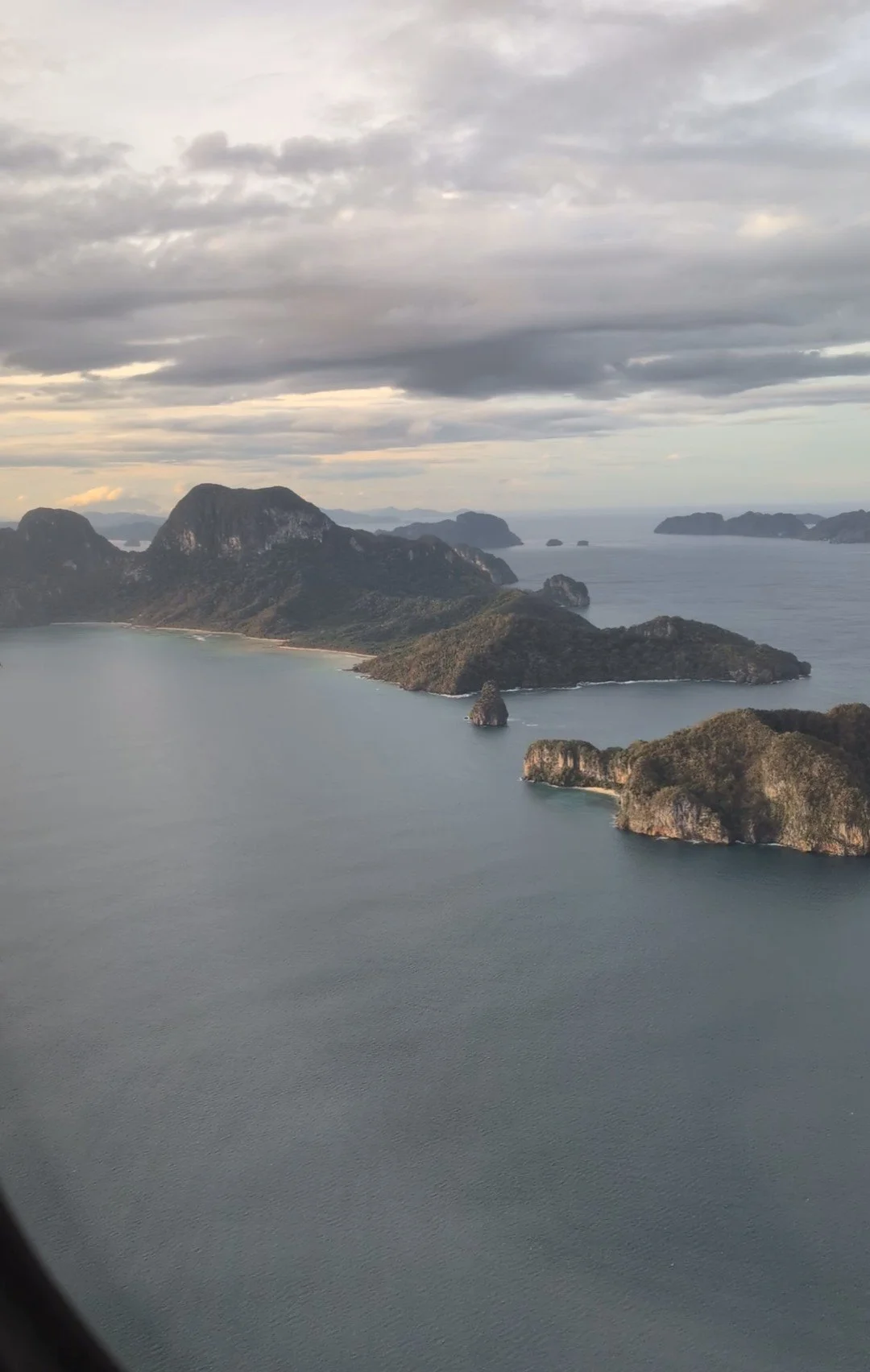
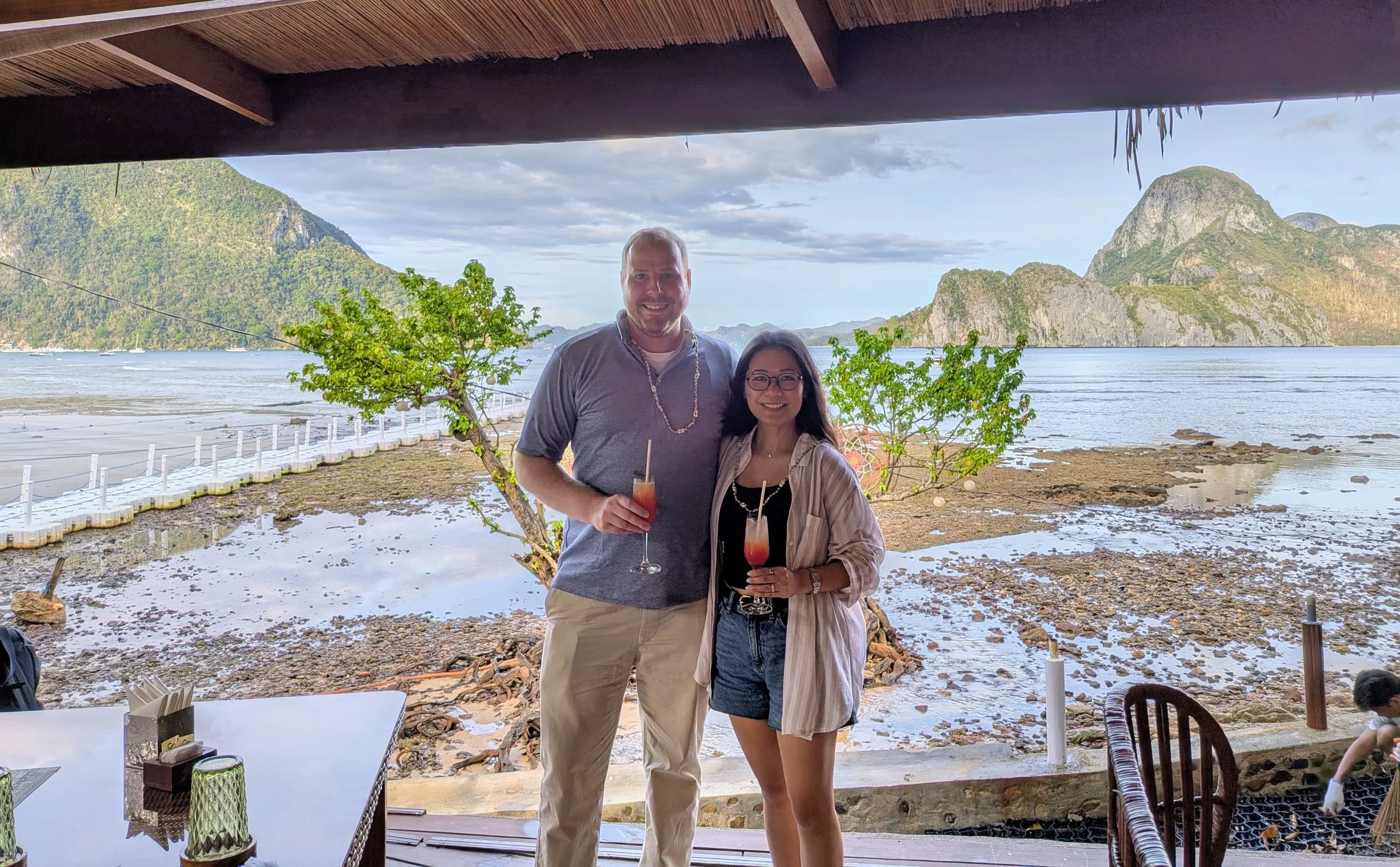
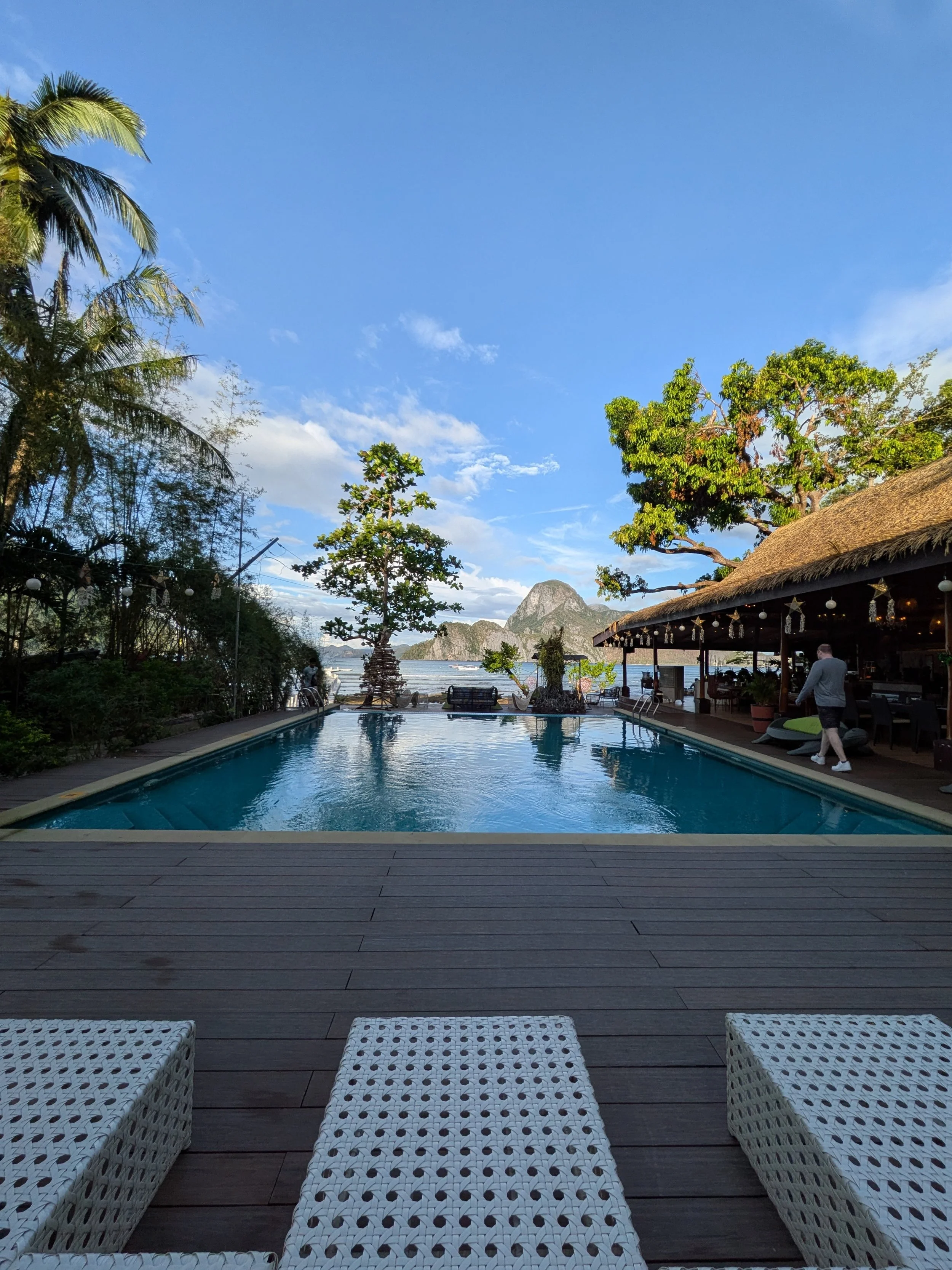
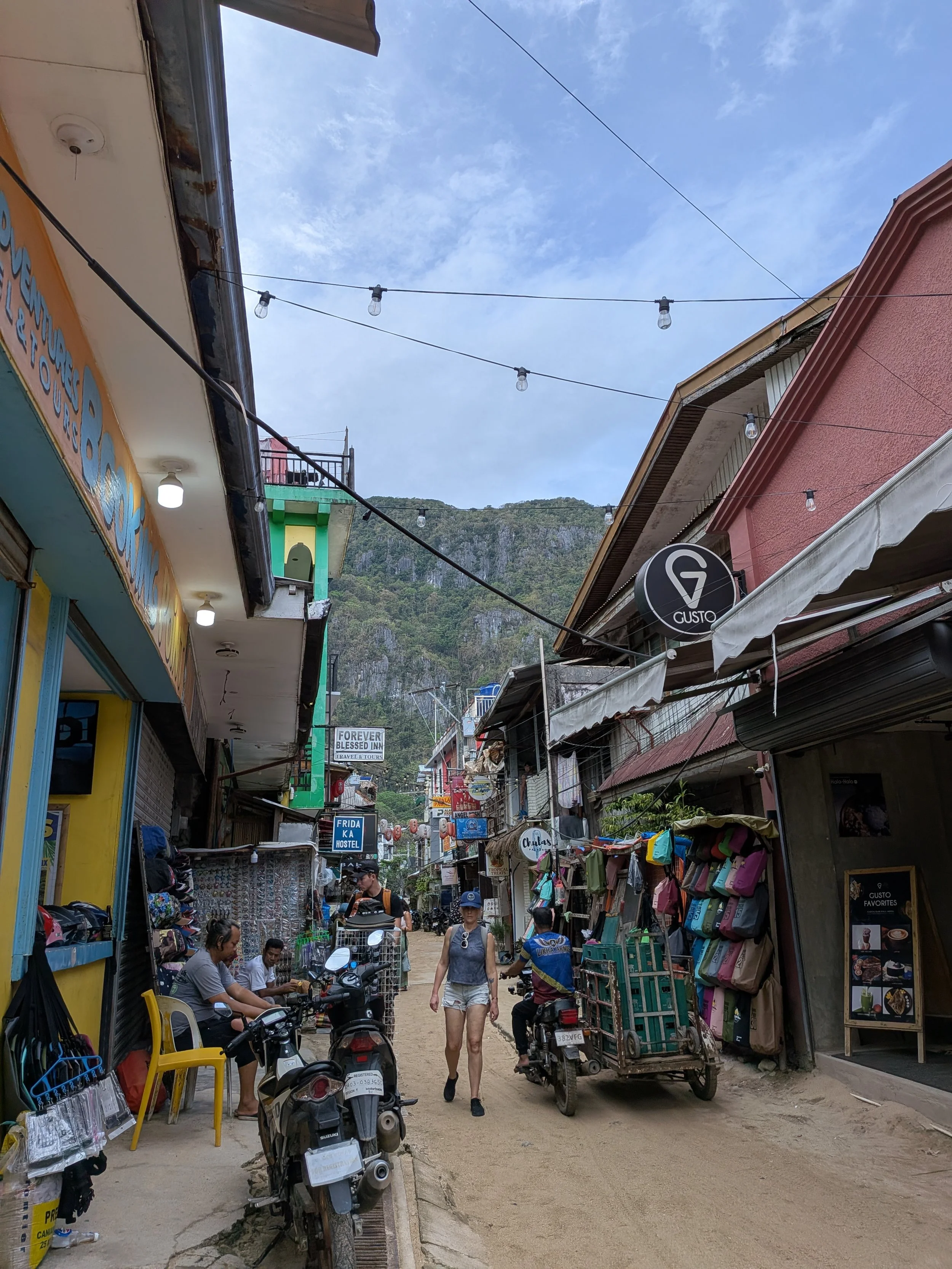
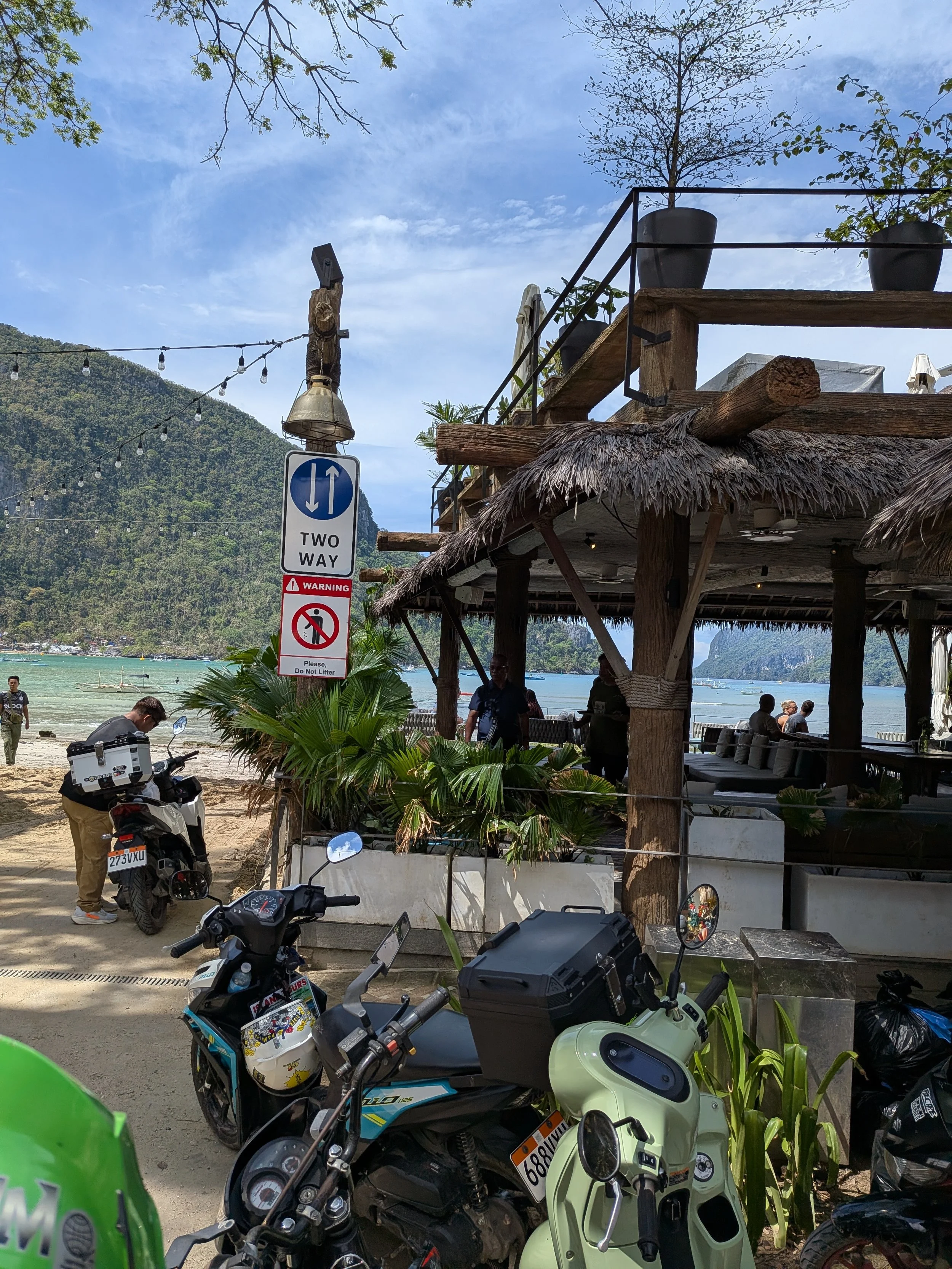
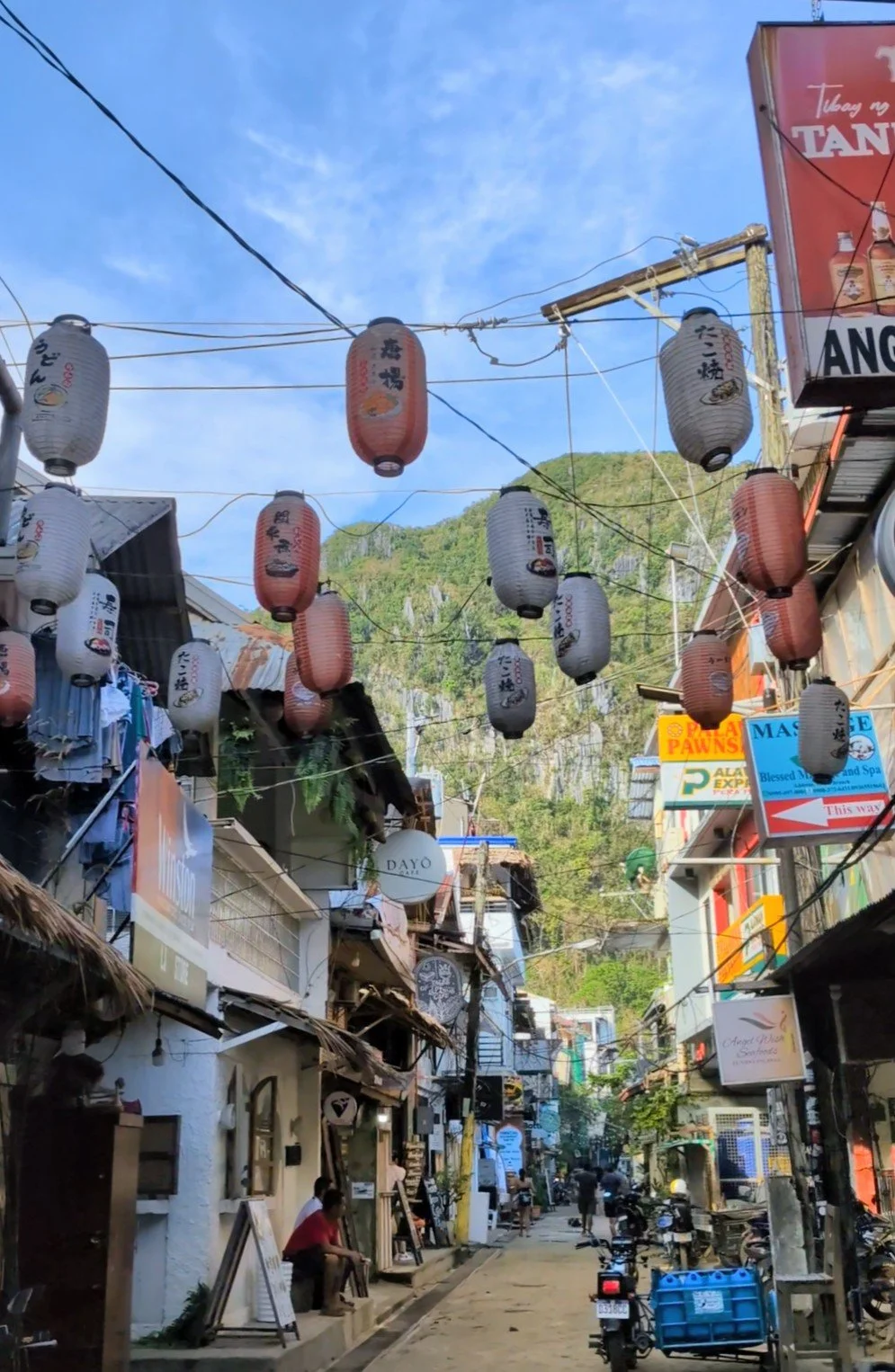
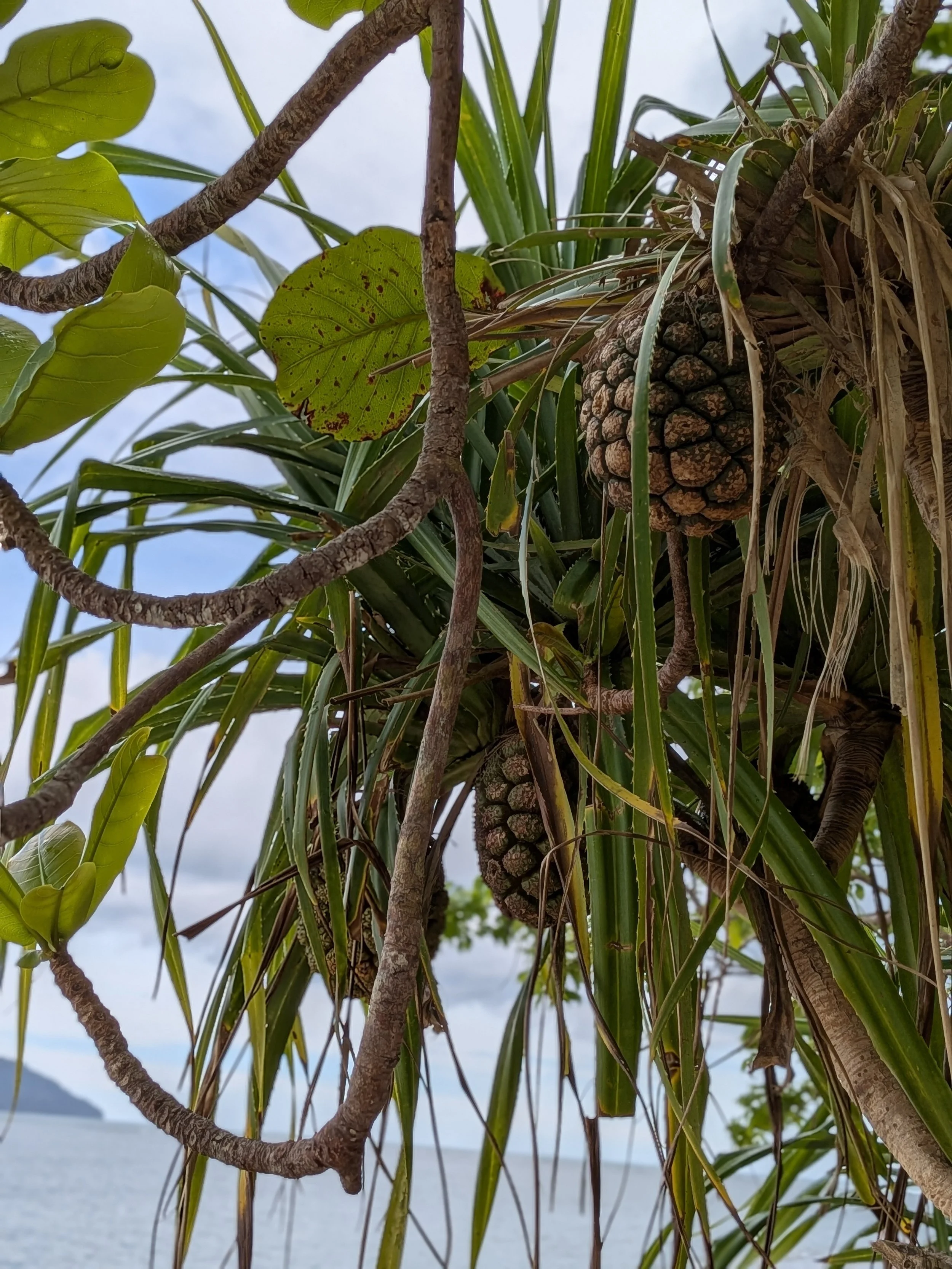
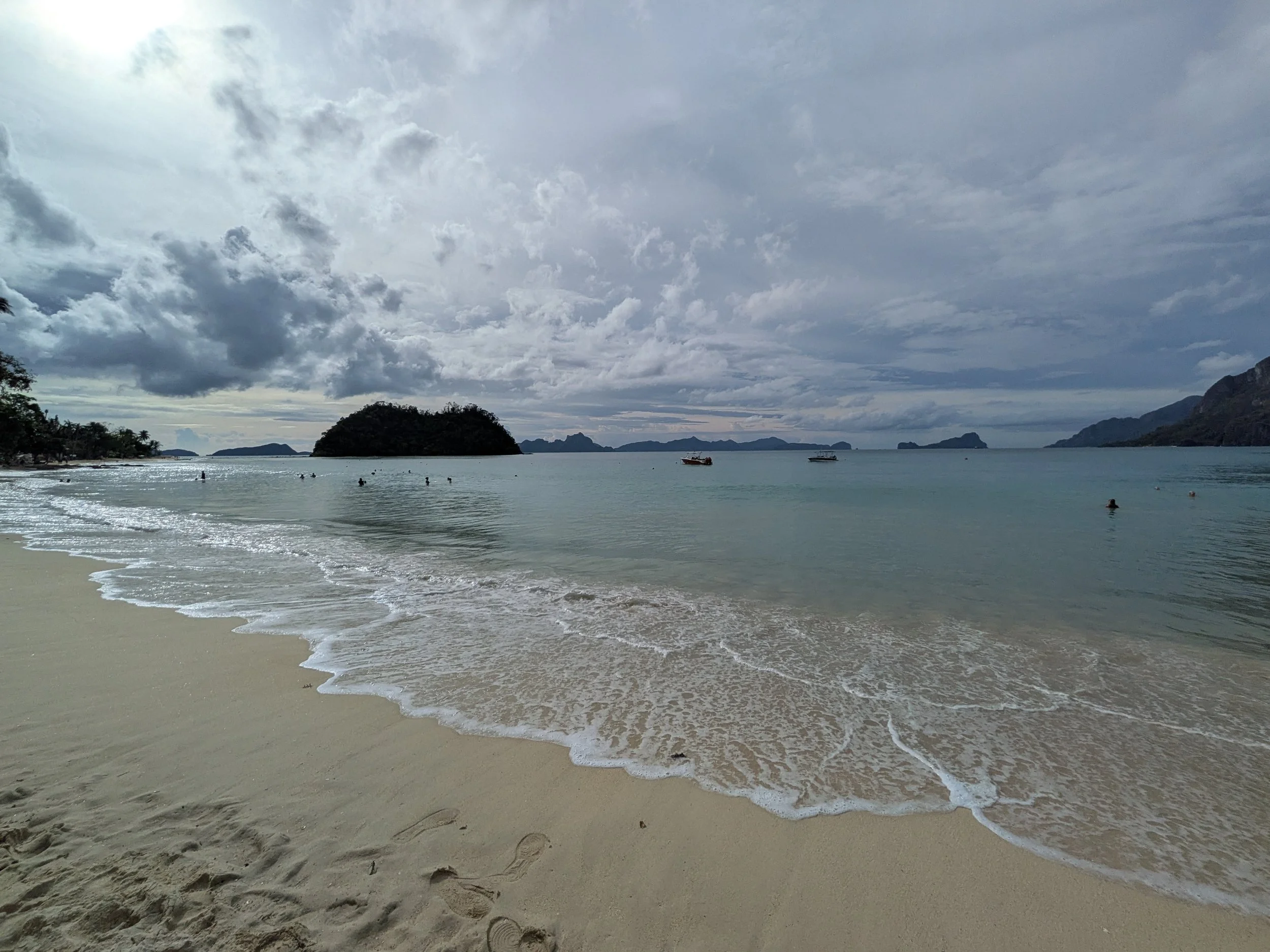
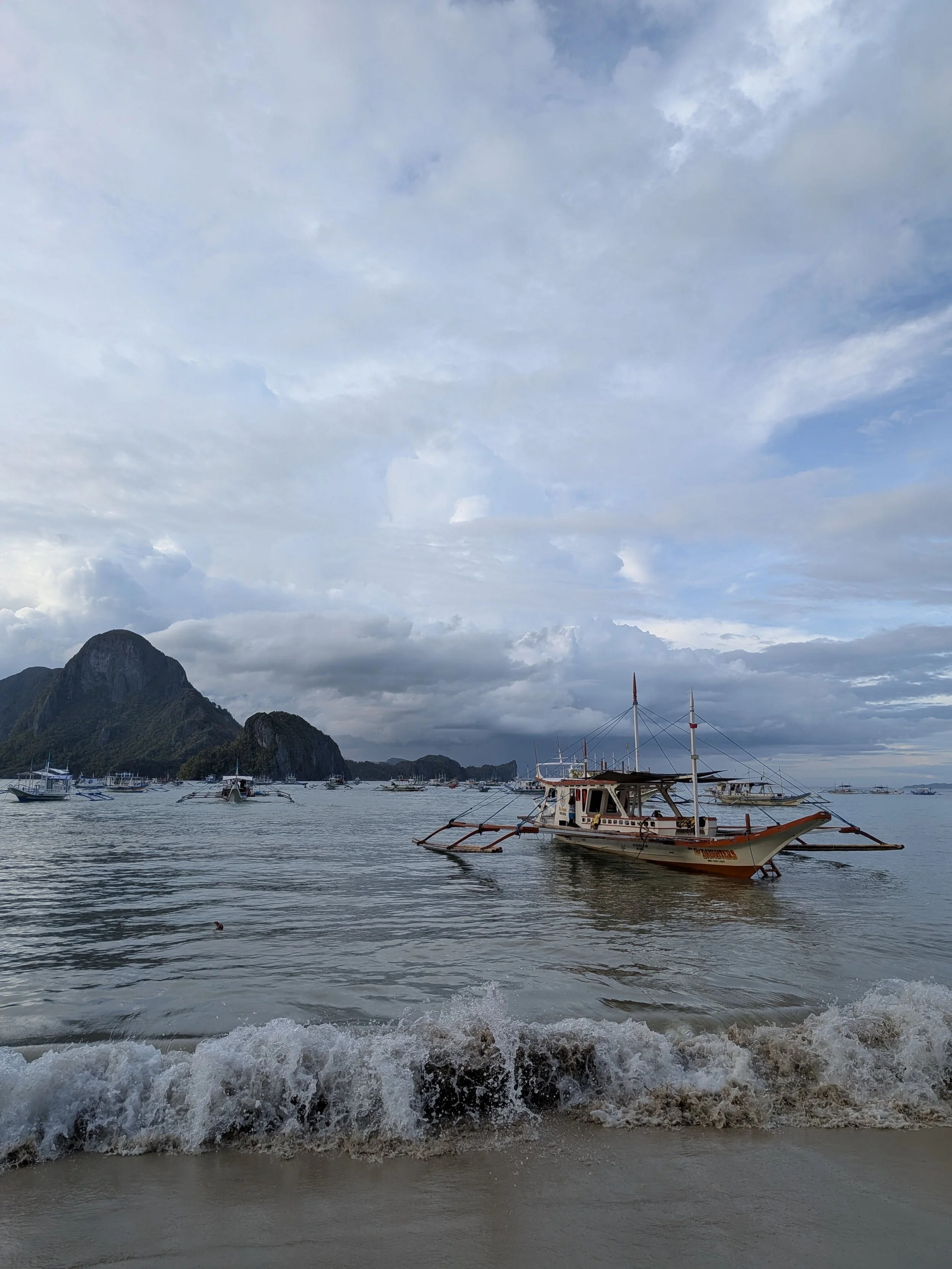
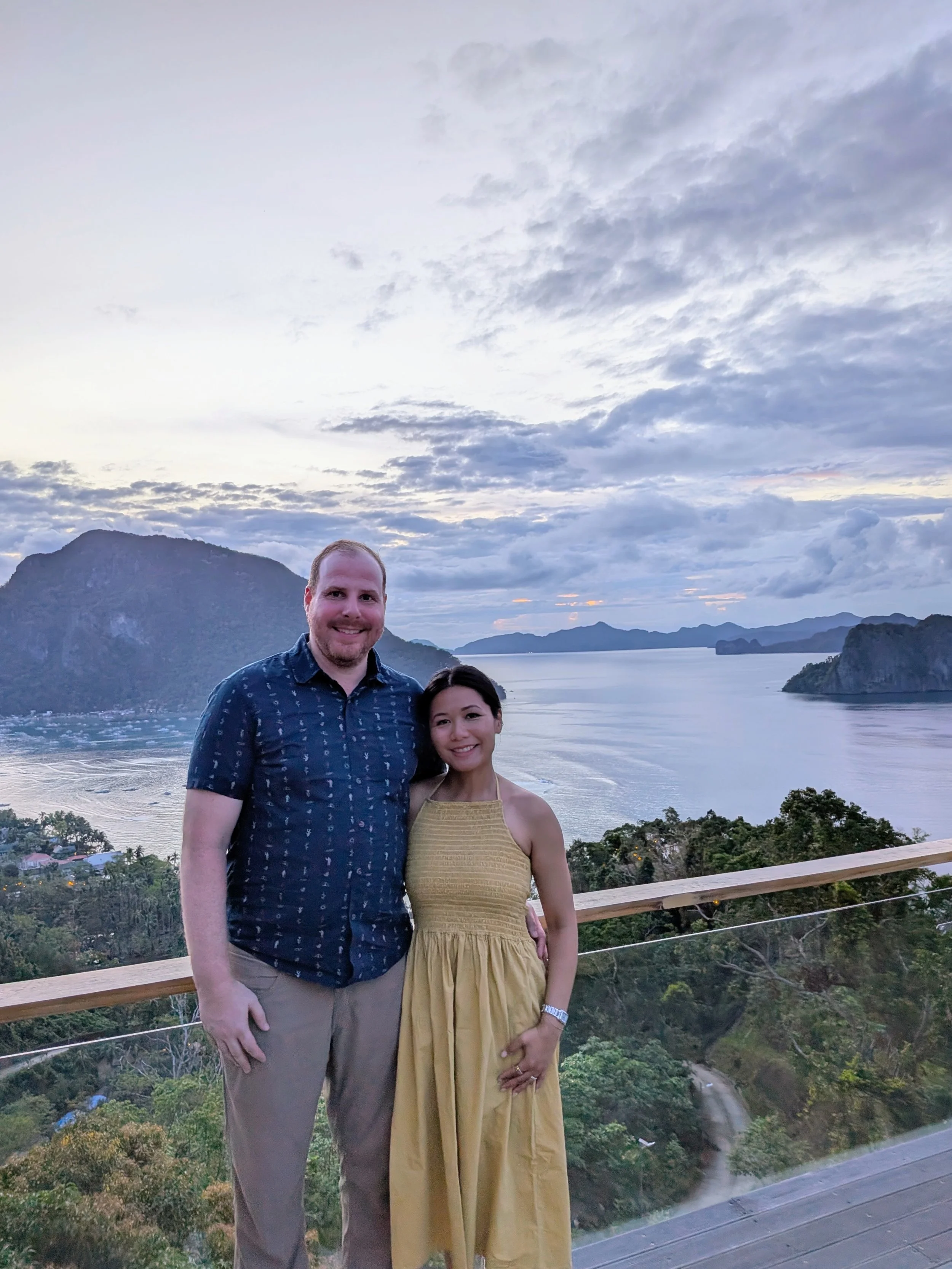
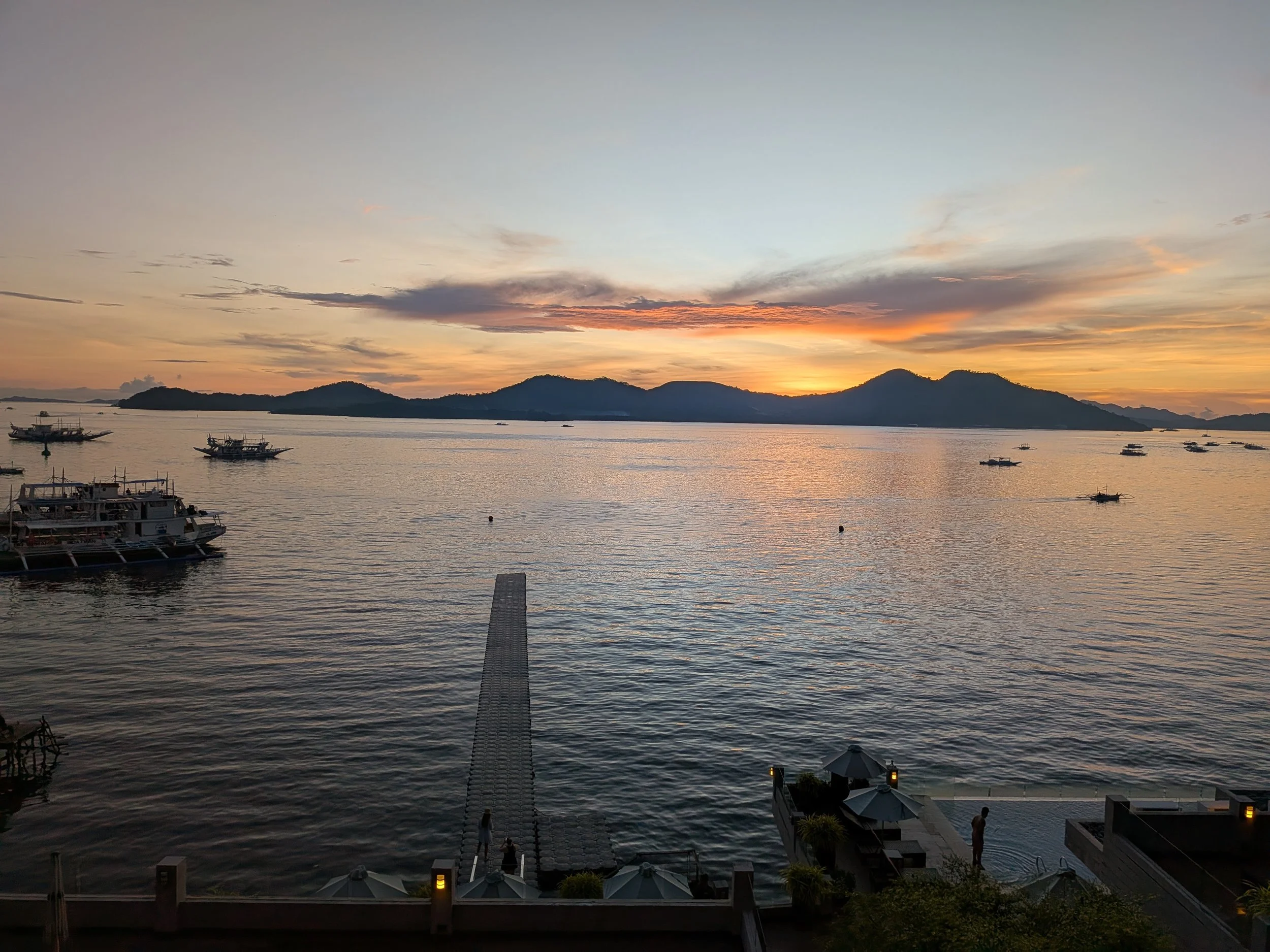
Day one in El Nido was our only free day so we rented a scooter and spent the majority of the day venturing the downtown area, savoring the sun on our shoulders, and digging our toes in the white sands. For dinner, we made sunset reservations at Henri’s, a restaurant affiliated with Lihim, and perfectly perched on top of a mountain with incredible views. It was giving major White Lotus Season 3 vibes.
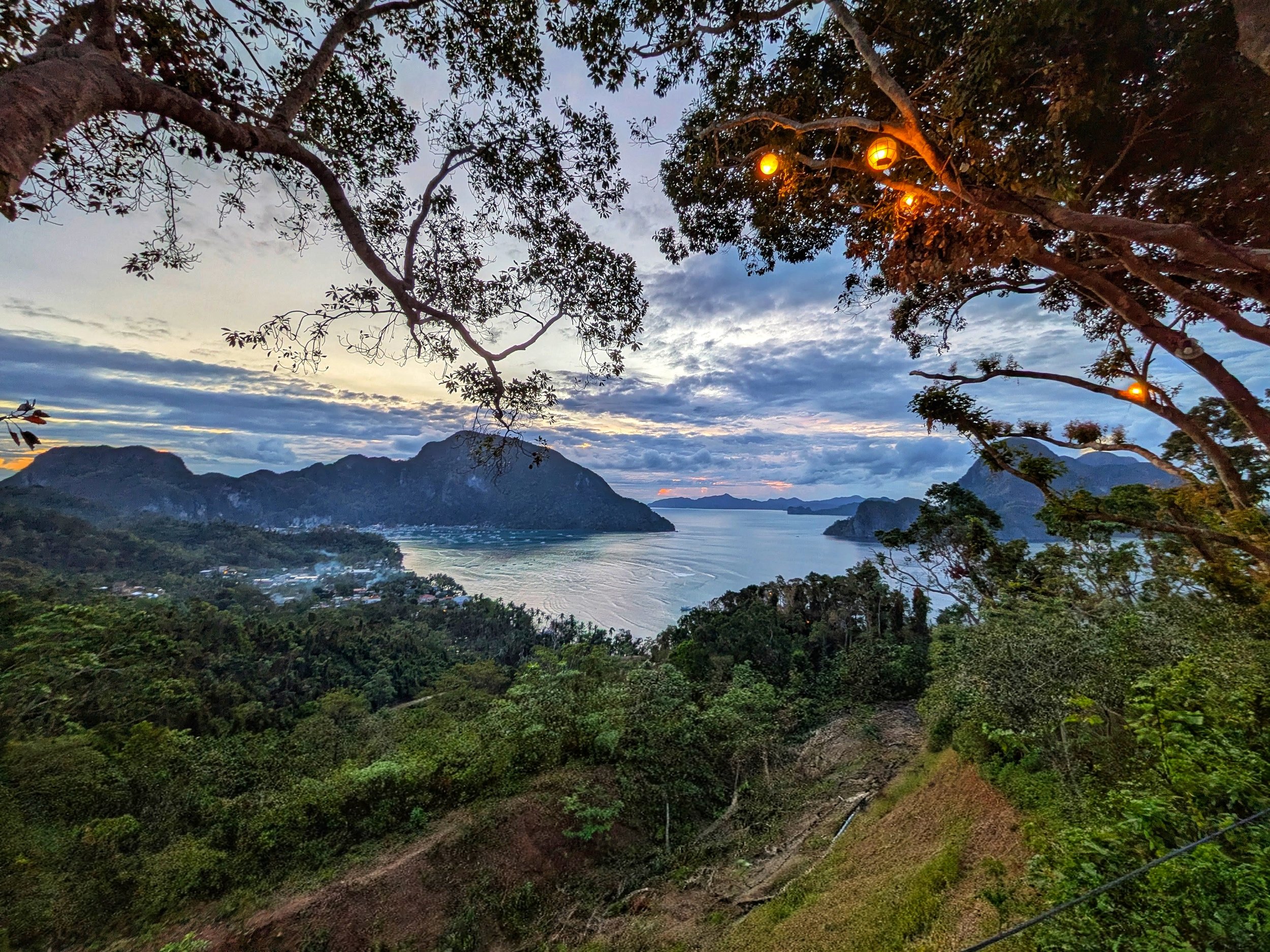
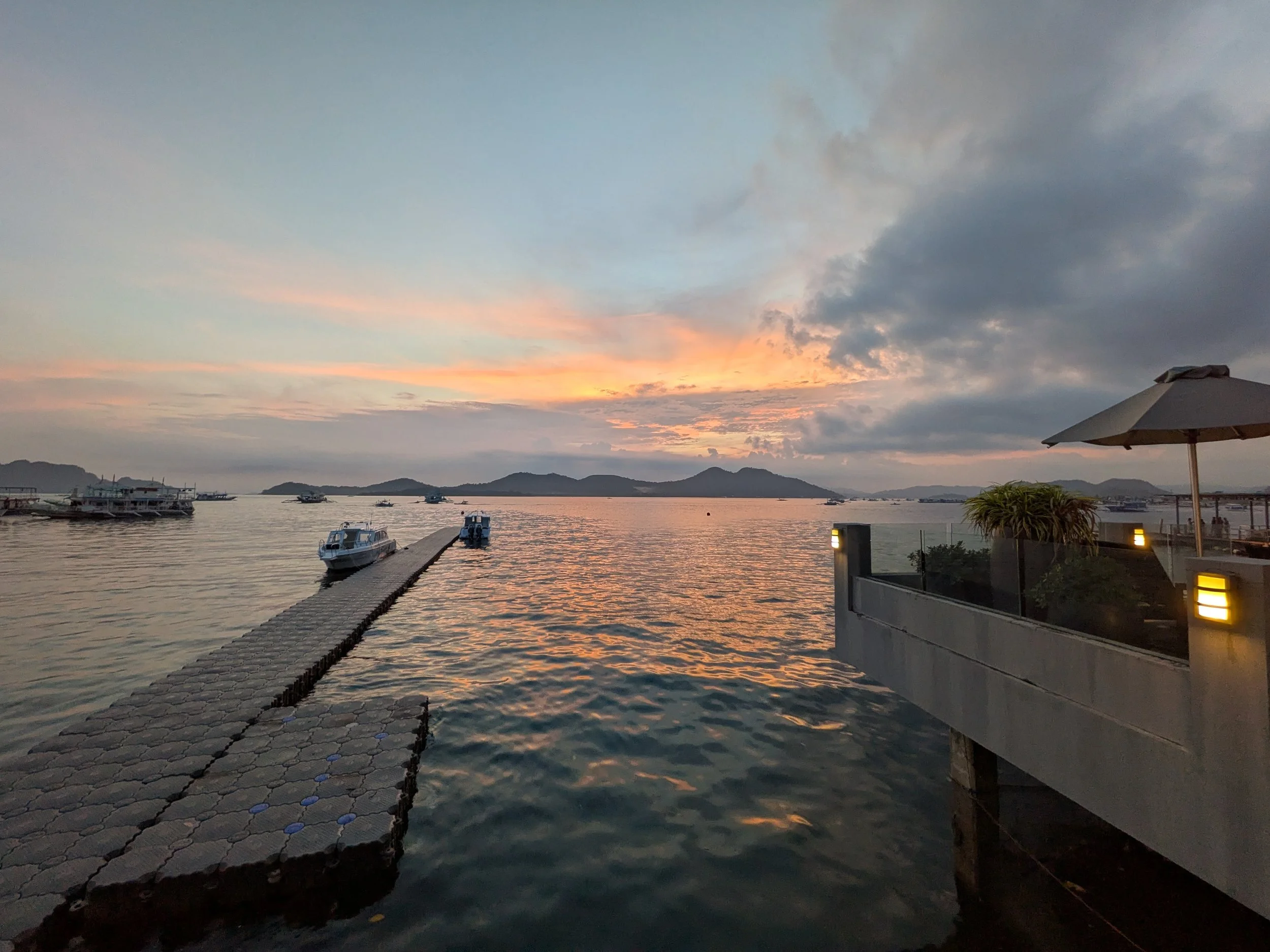
Sunset view of El Nido bay & downtown from Henri’s Restaurant in Lihim Resort
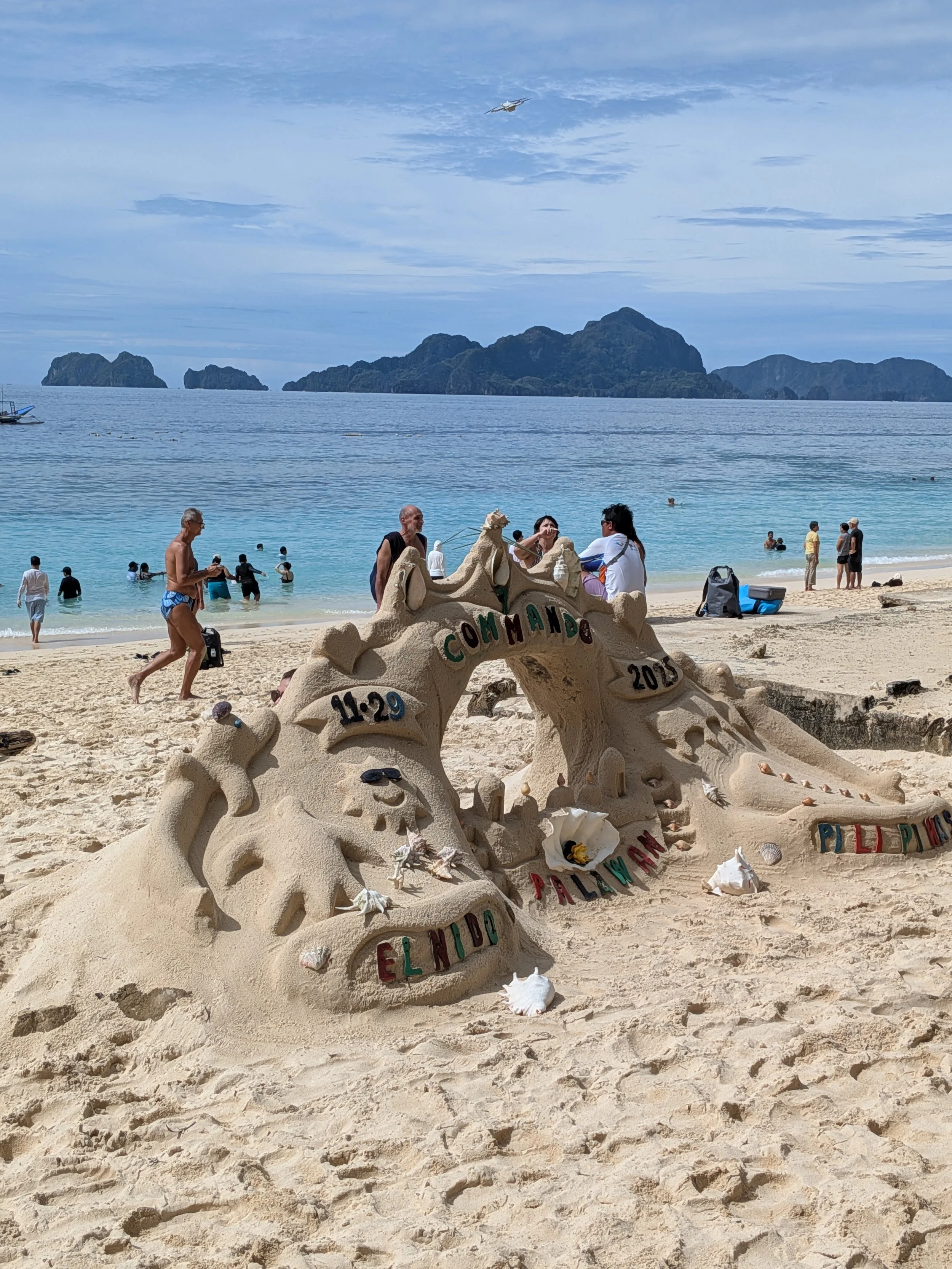
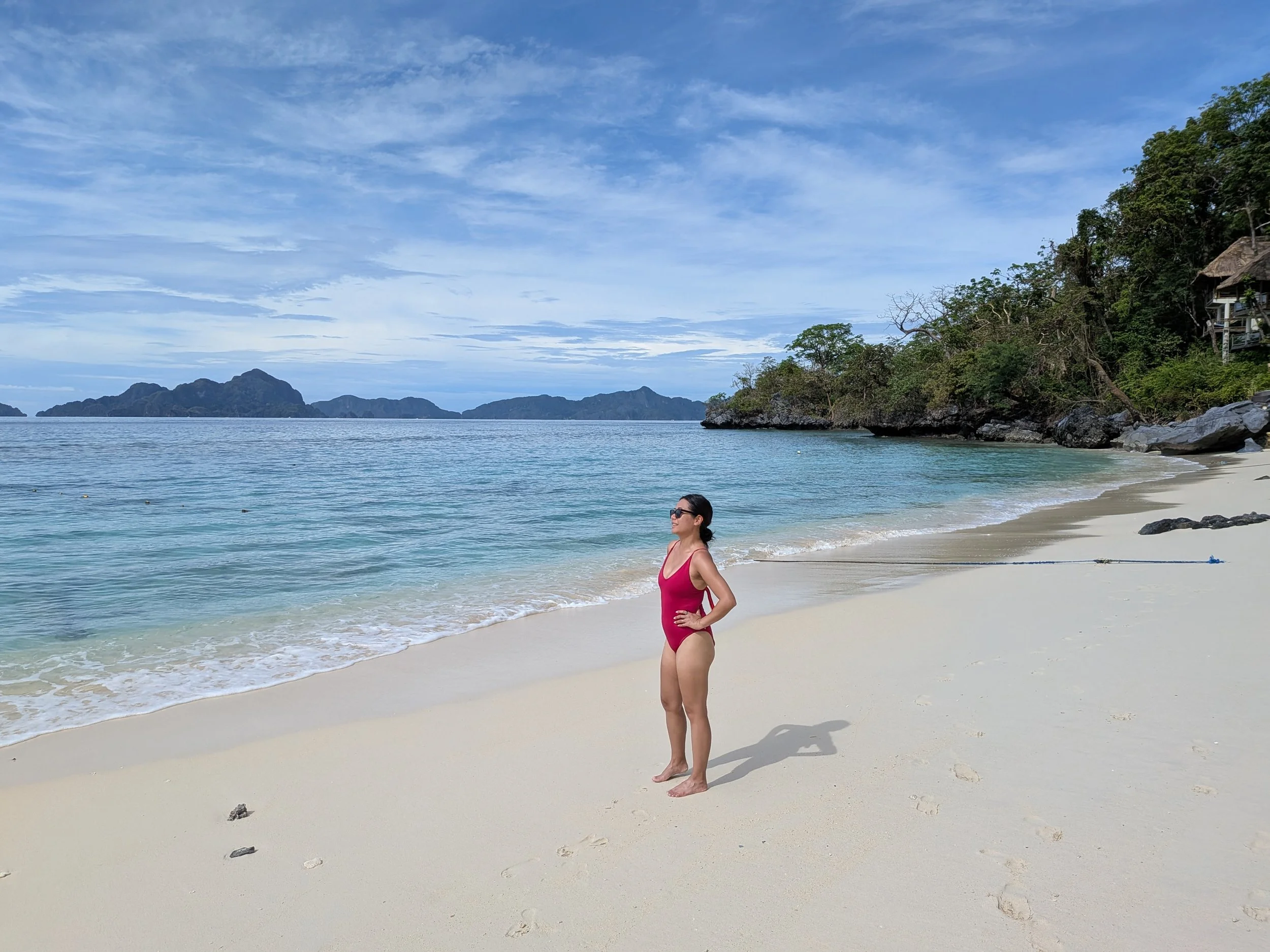
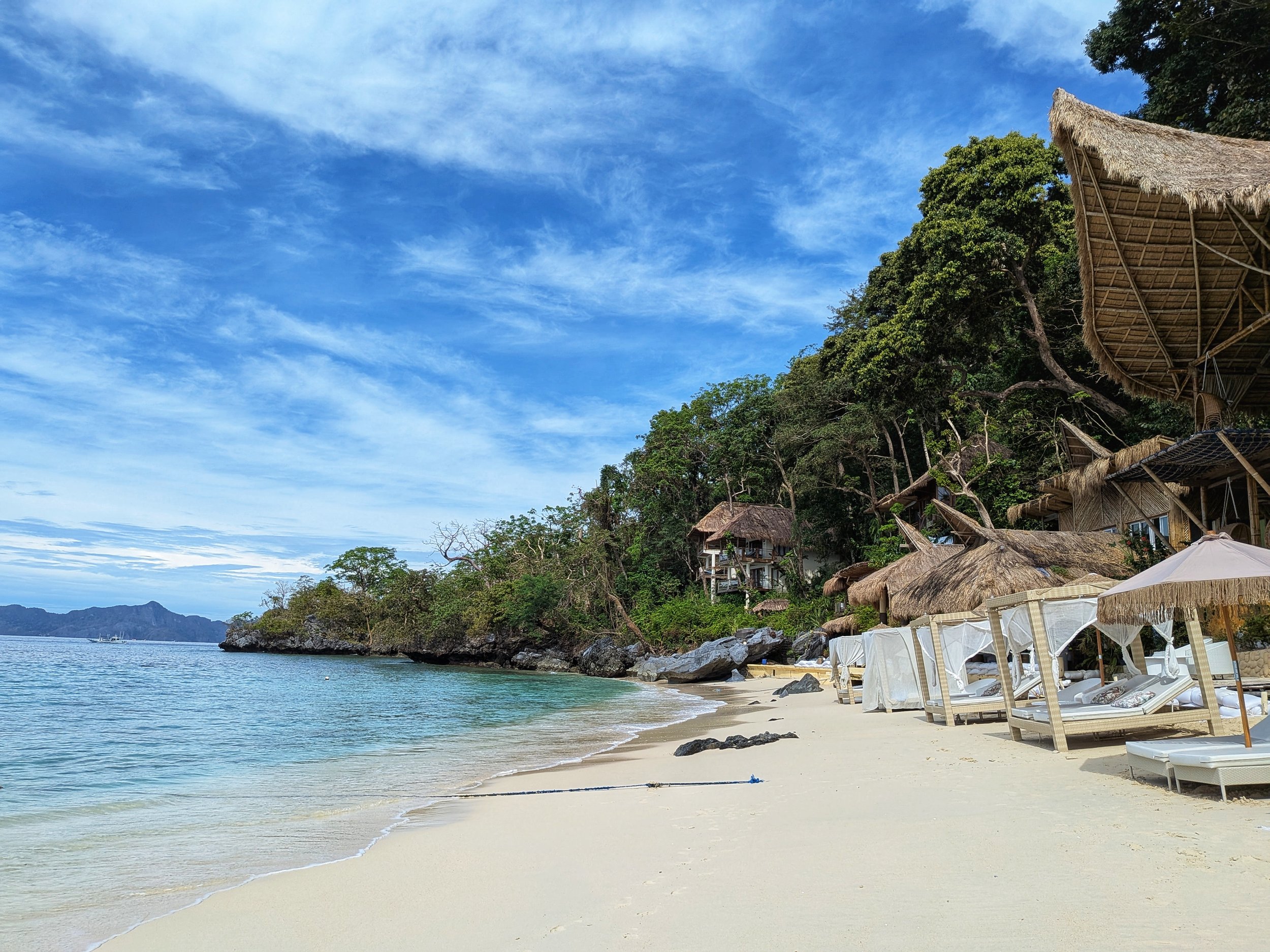
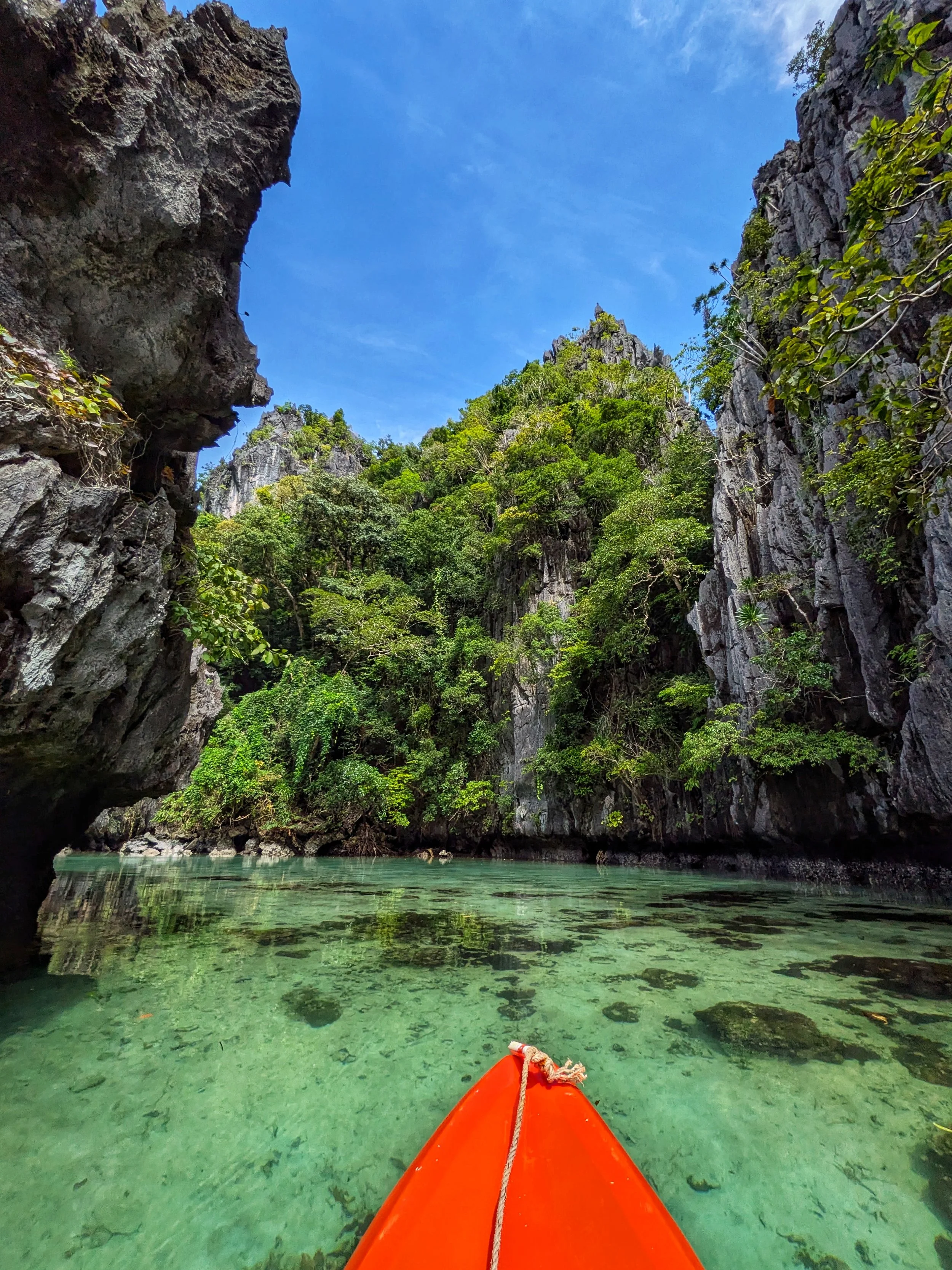
Day two was the first of many boat tours in Palawan. We island hopped to Small & Big Lagoon, Shimizu Island, Secret Lagoon, Seven Commando Beach, East Entalula Island. The views were reminiscent of our vacation in Hawaii with its pristine beaches and clear waters. Unfortunately afternoon torrential rain cut our tour short, but we still considered ourselves lucky that the tropical depression didn’t cancel our trip to Palawan altogether.
After seeing many tour companies in downtown the day prior, we realized that we could’ve easily booked the tours ourselves. We were happy with our travel agent’s recommendations, especially the ease since it was our first time in Palawan, but you can easily book boat tours a day before.
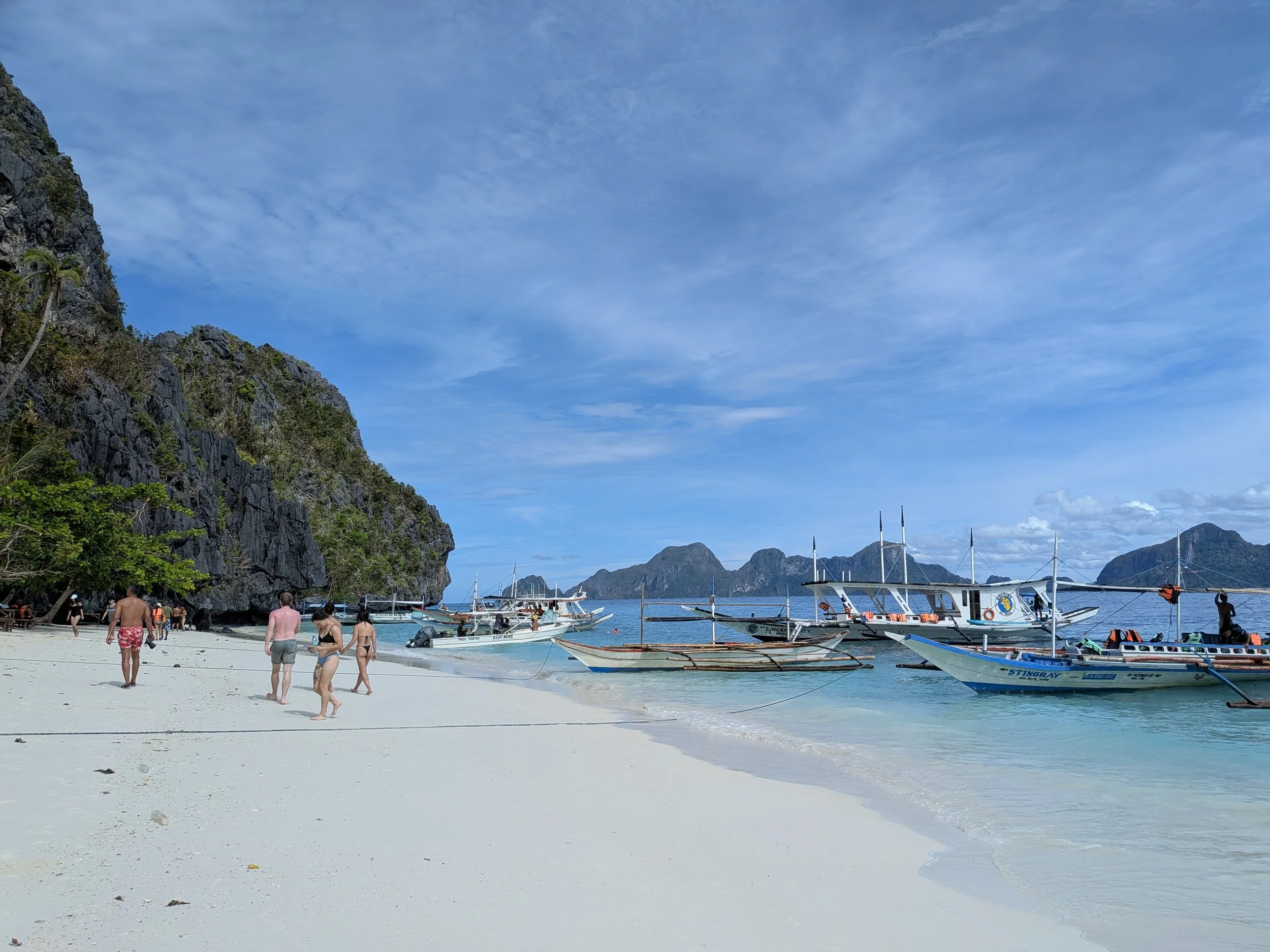
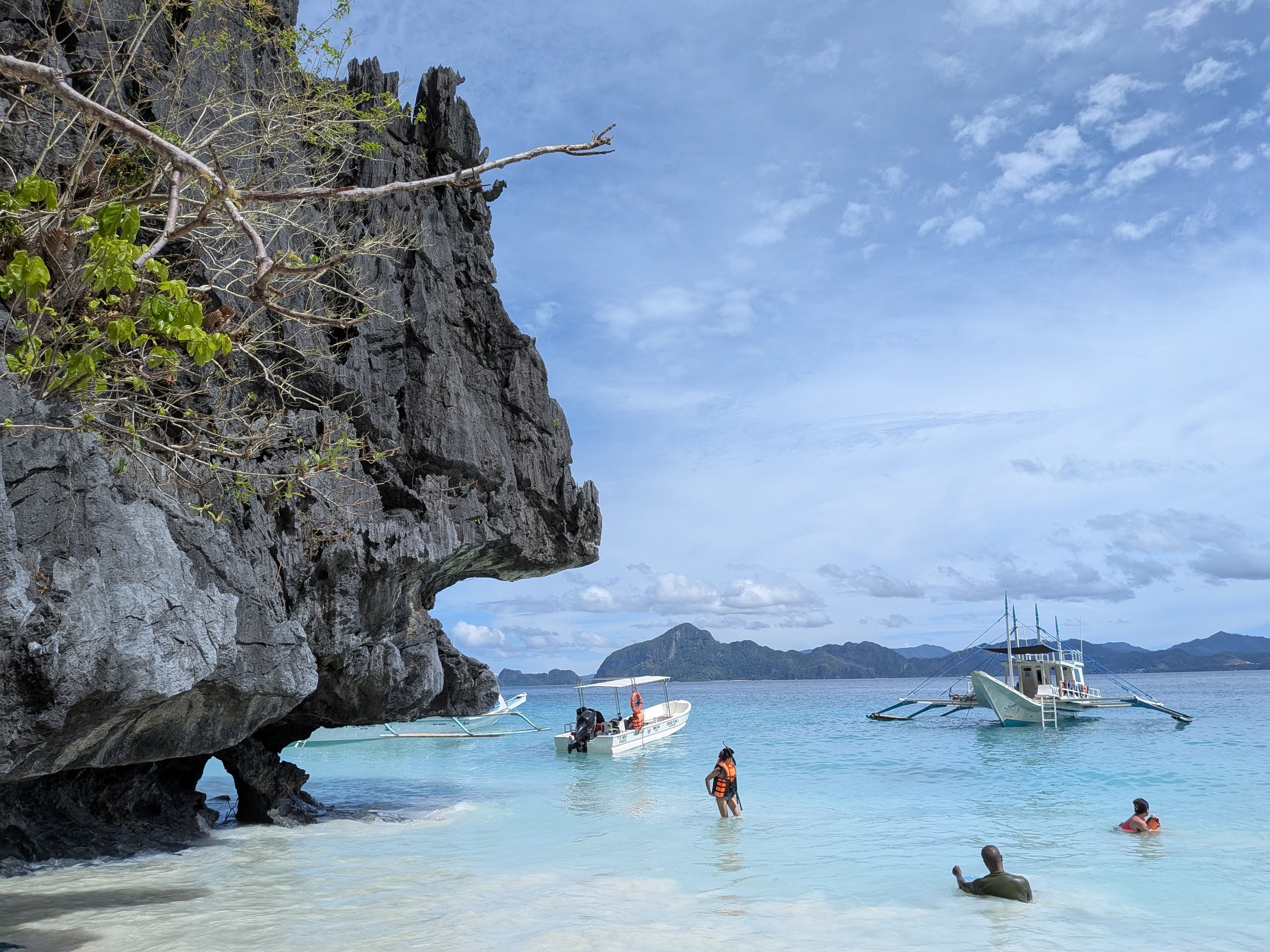
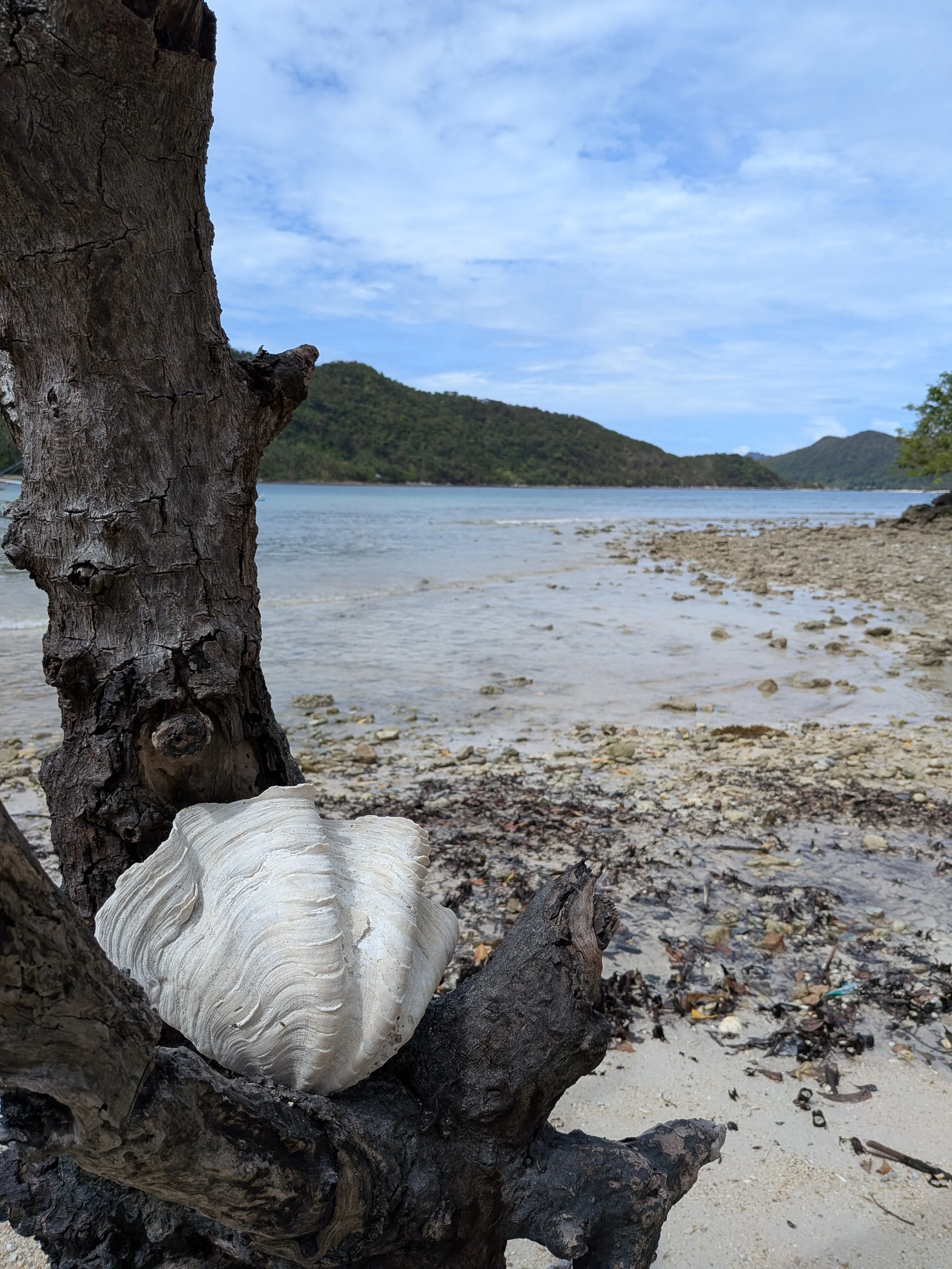
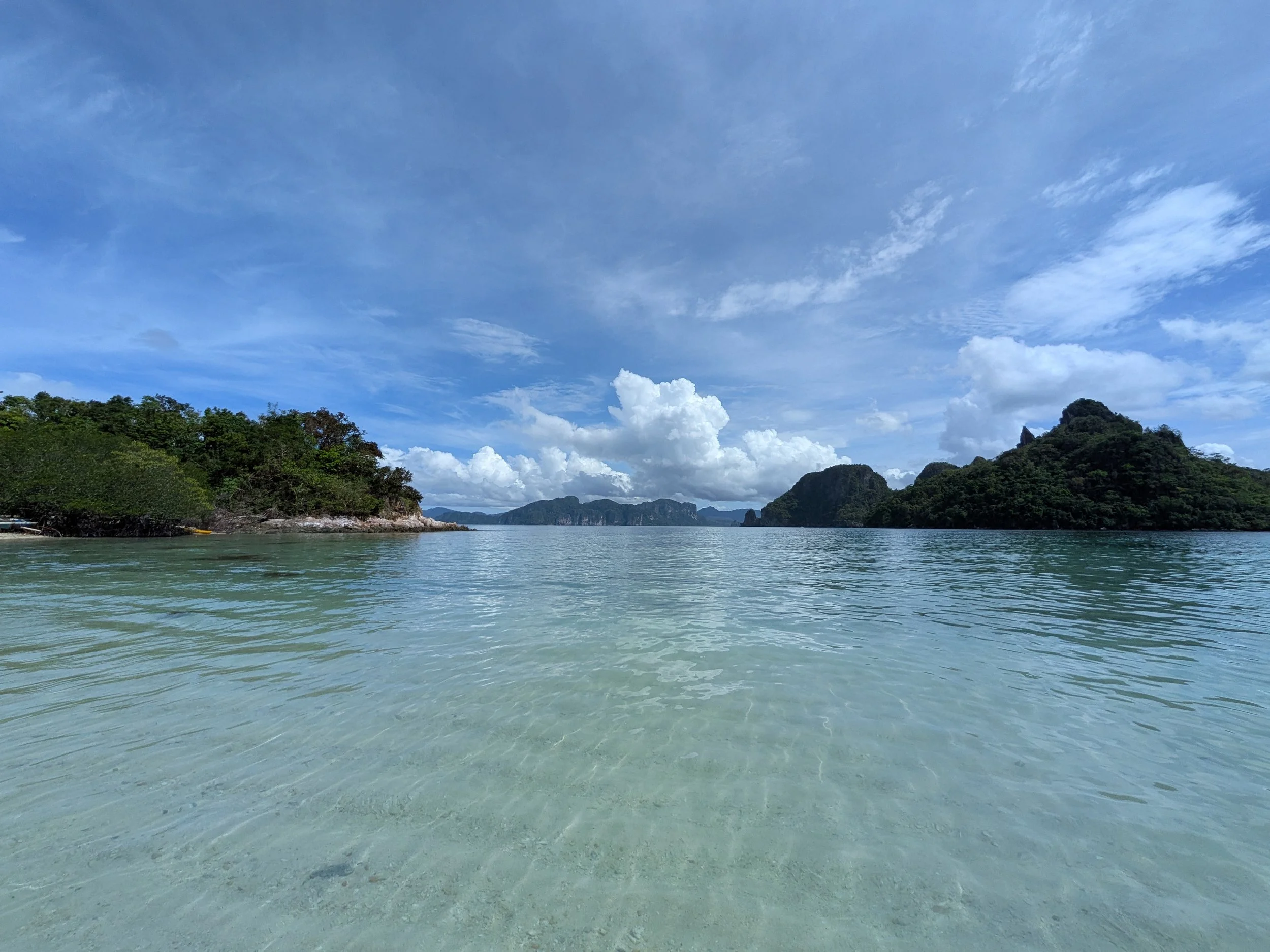
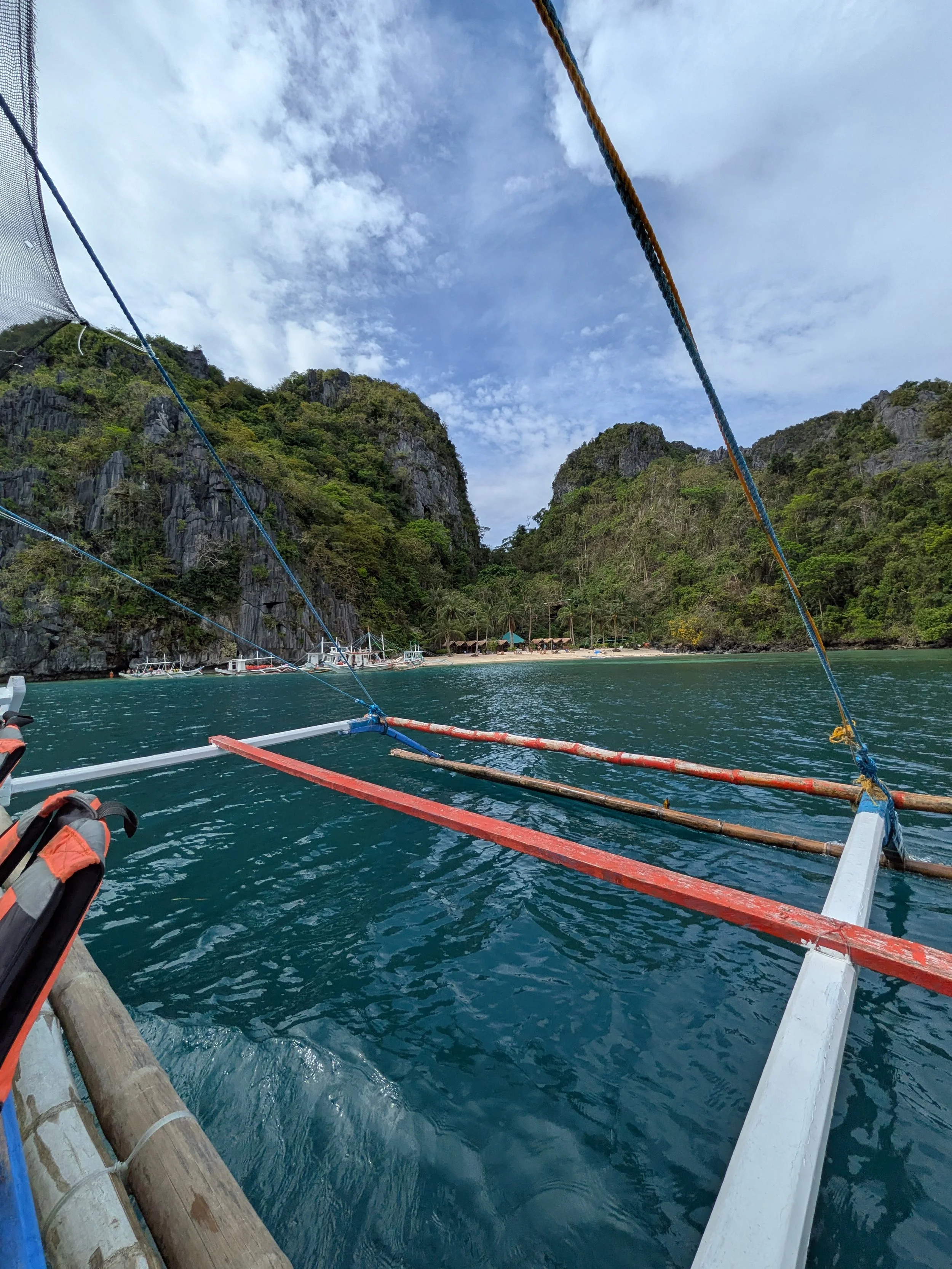
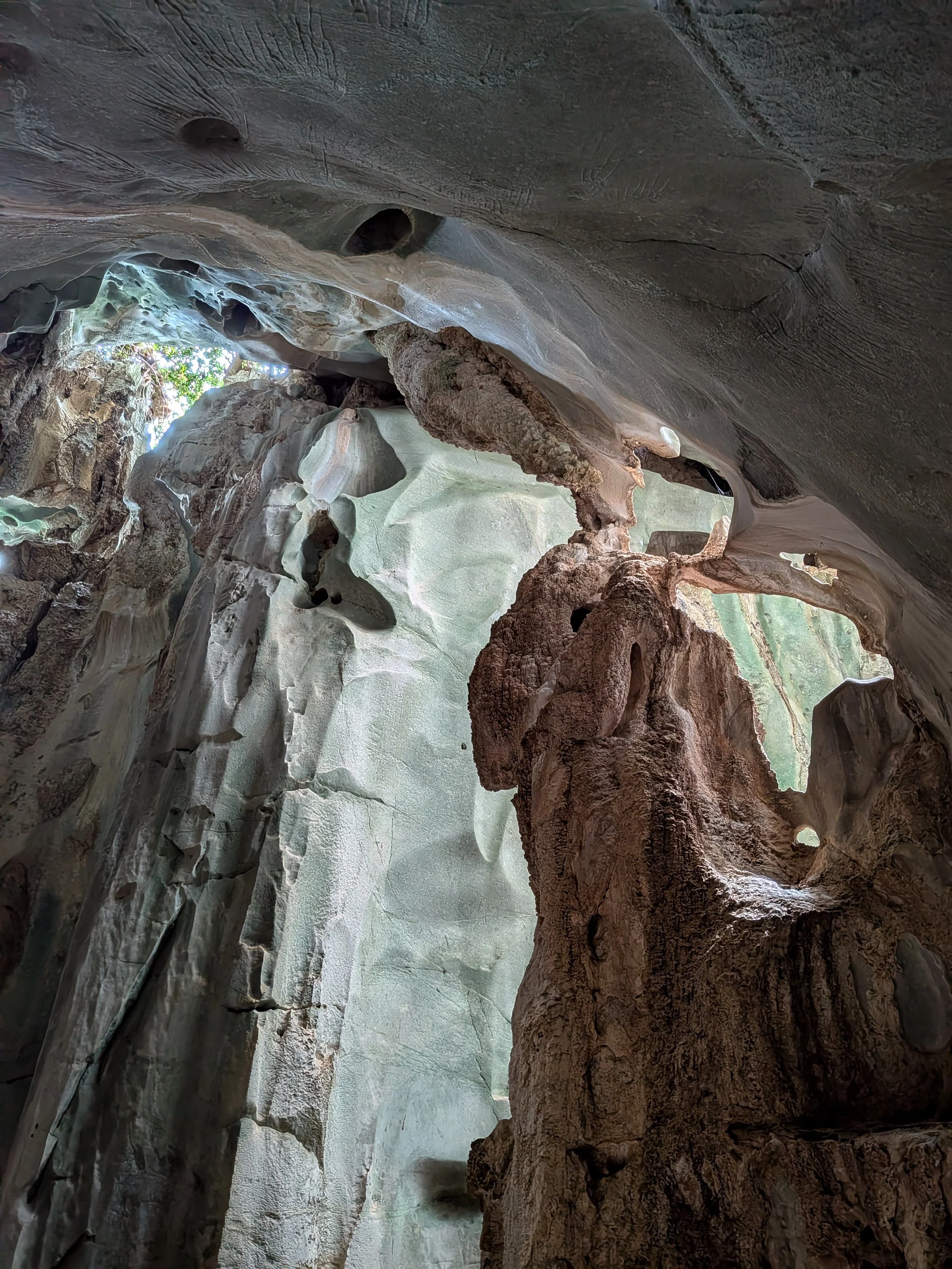
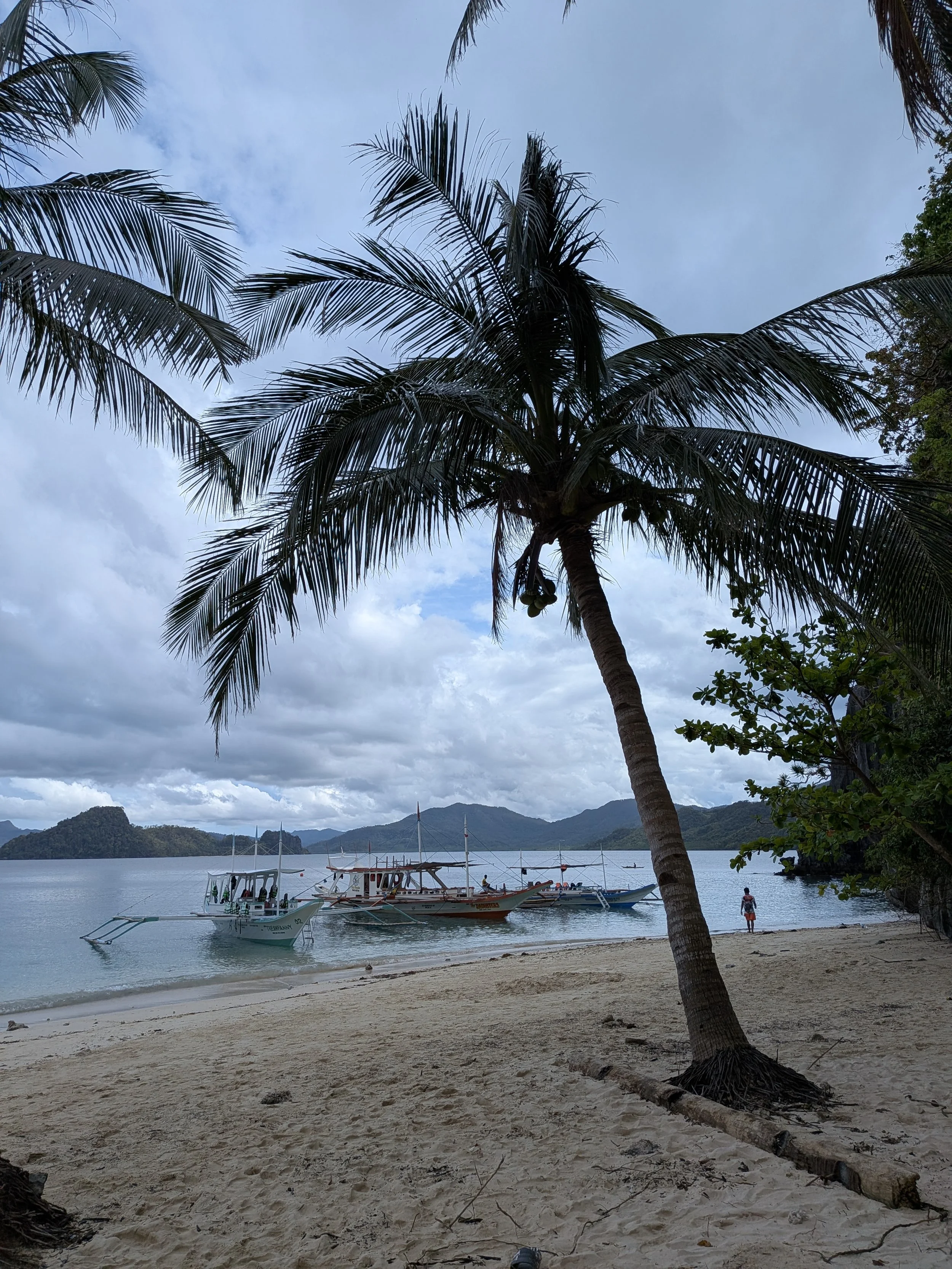
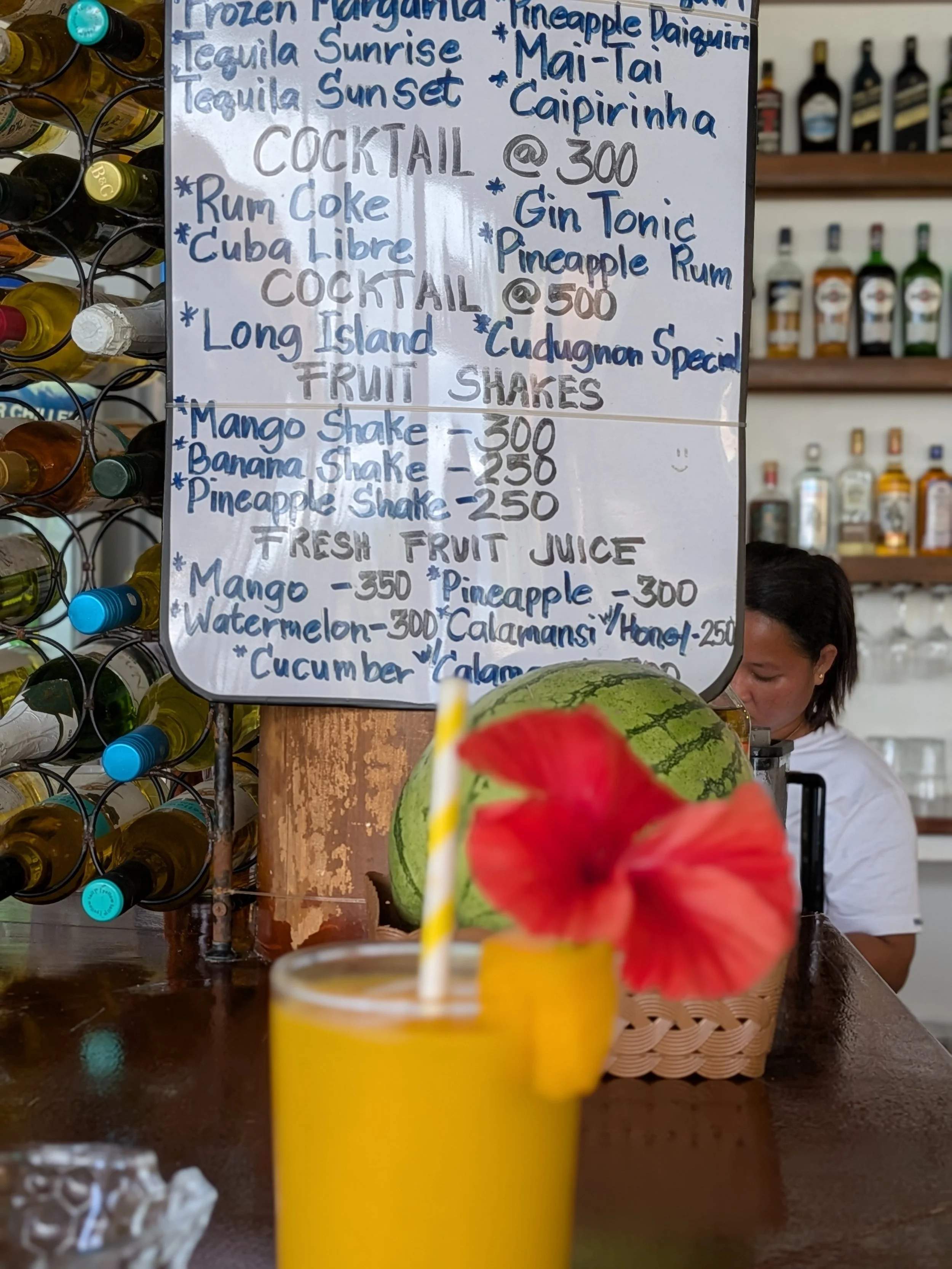
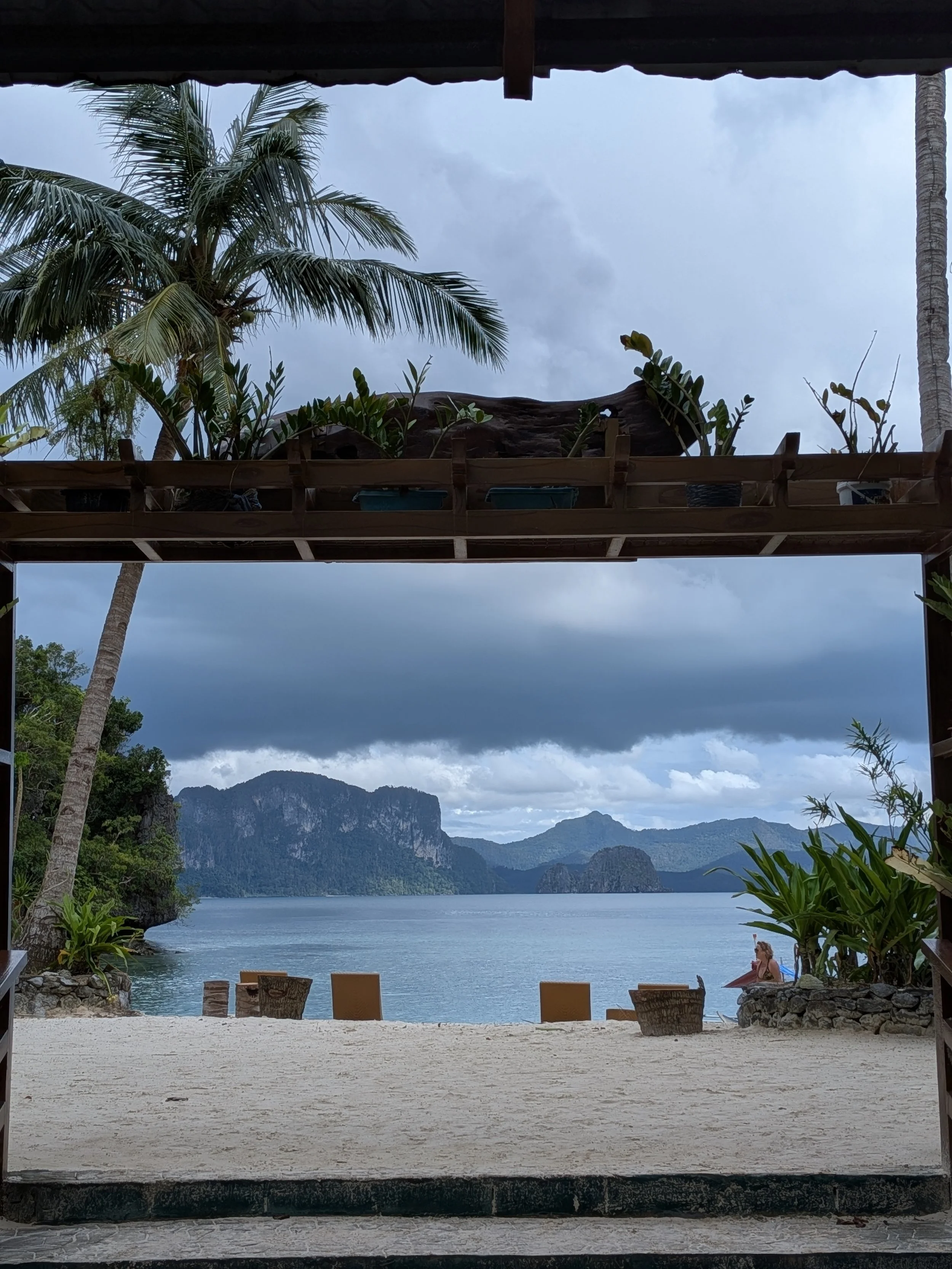
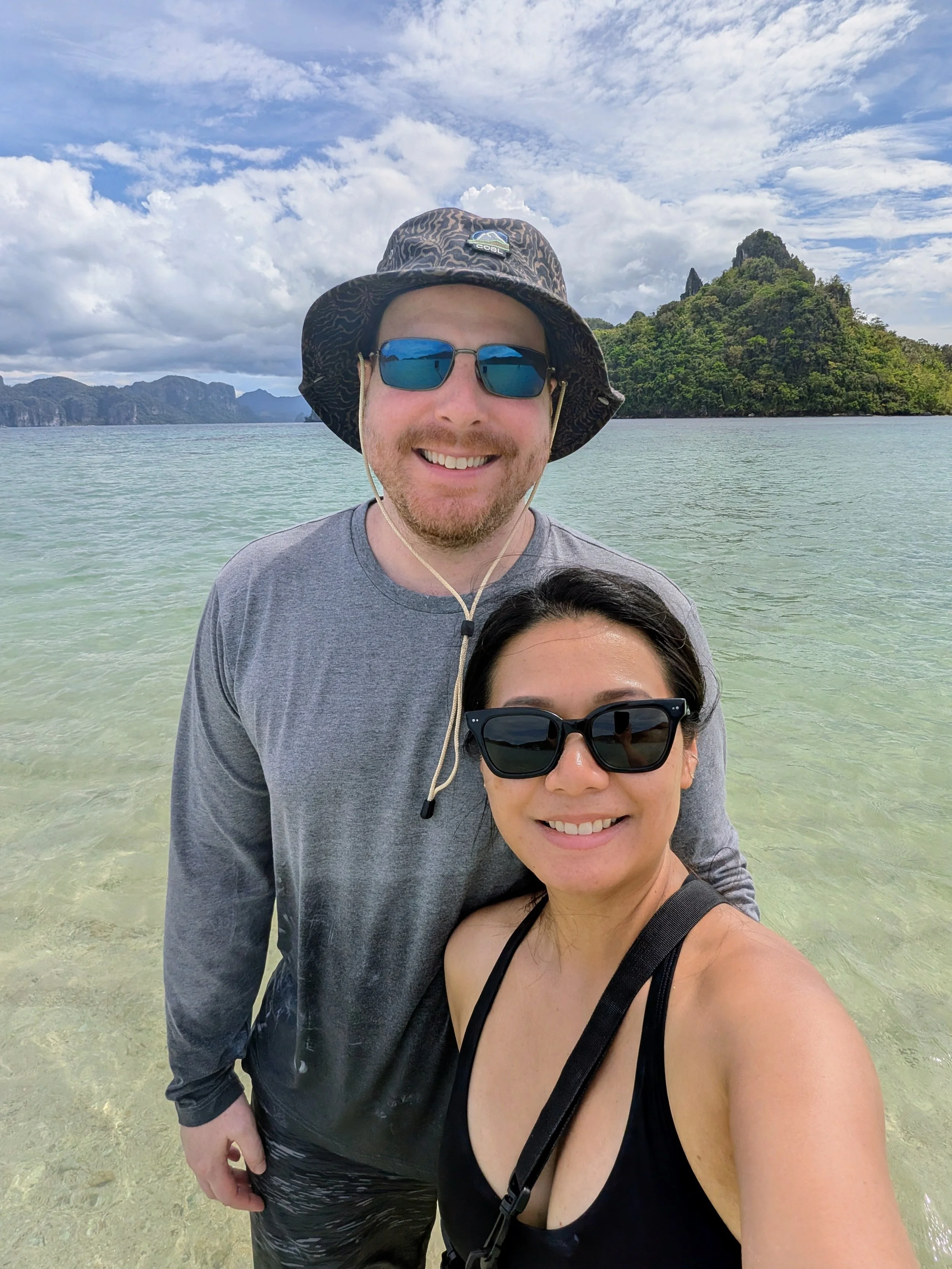
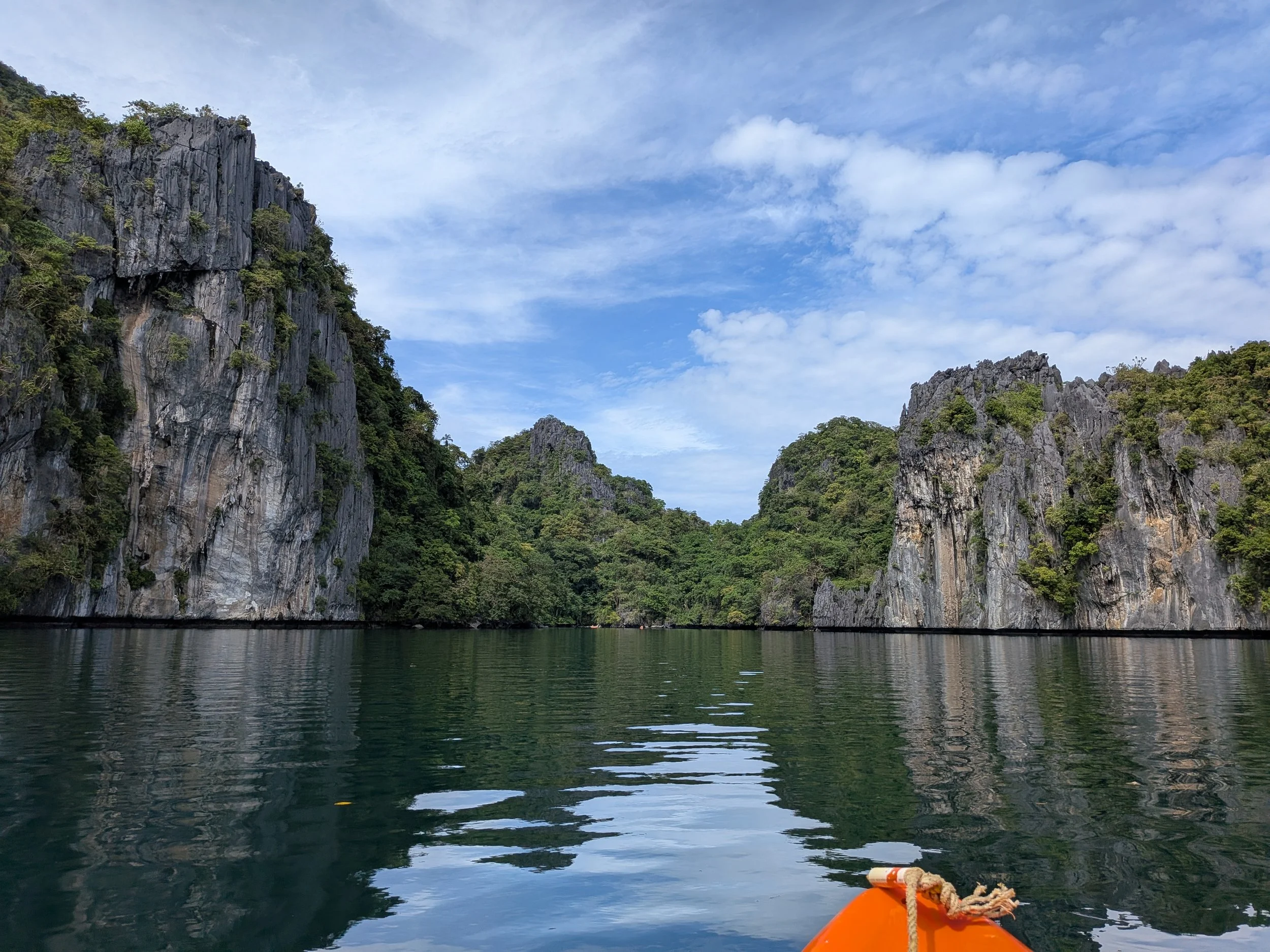
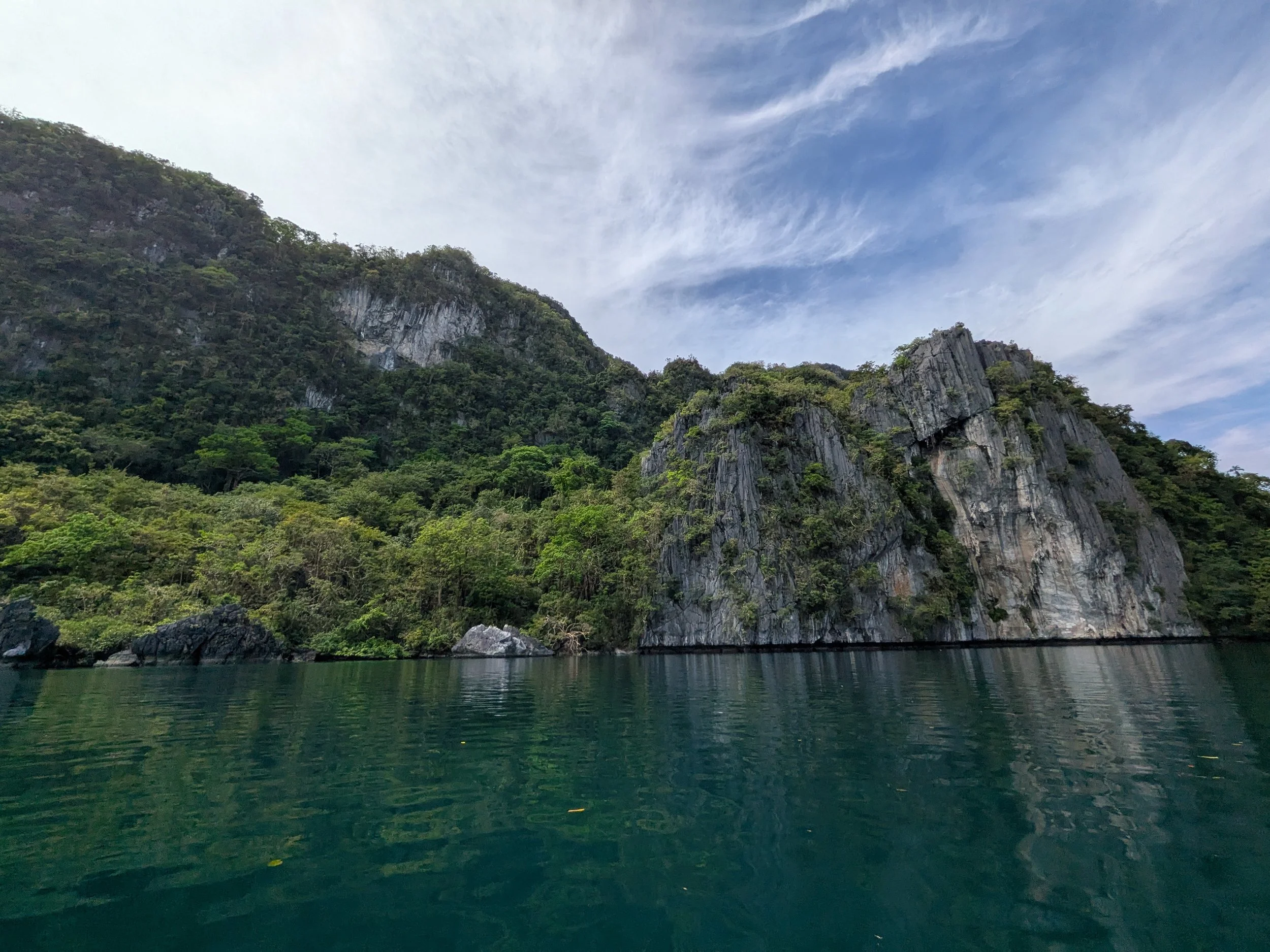
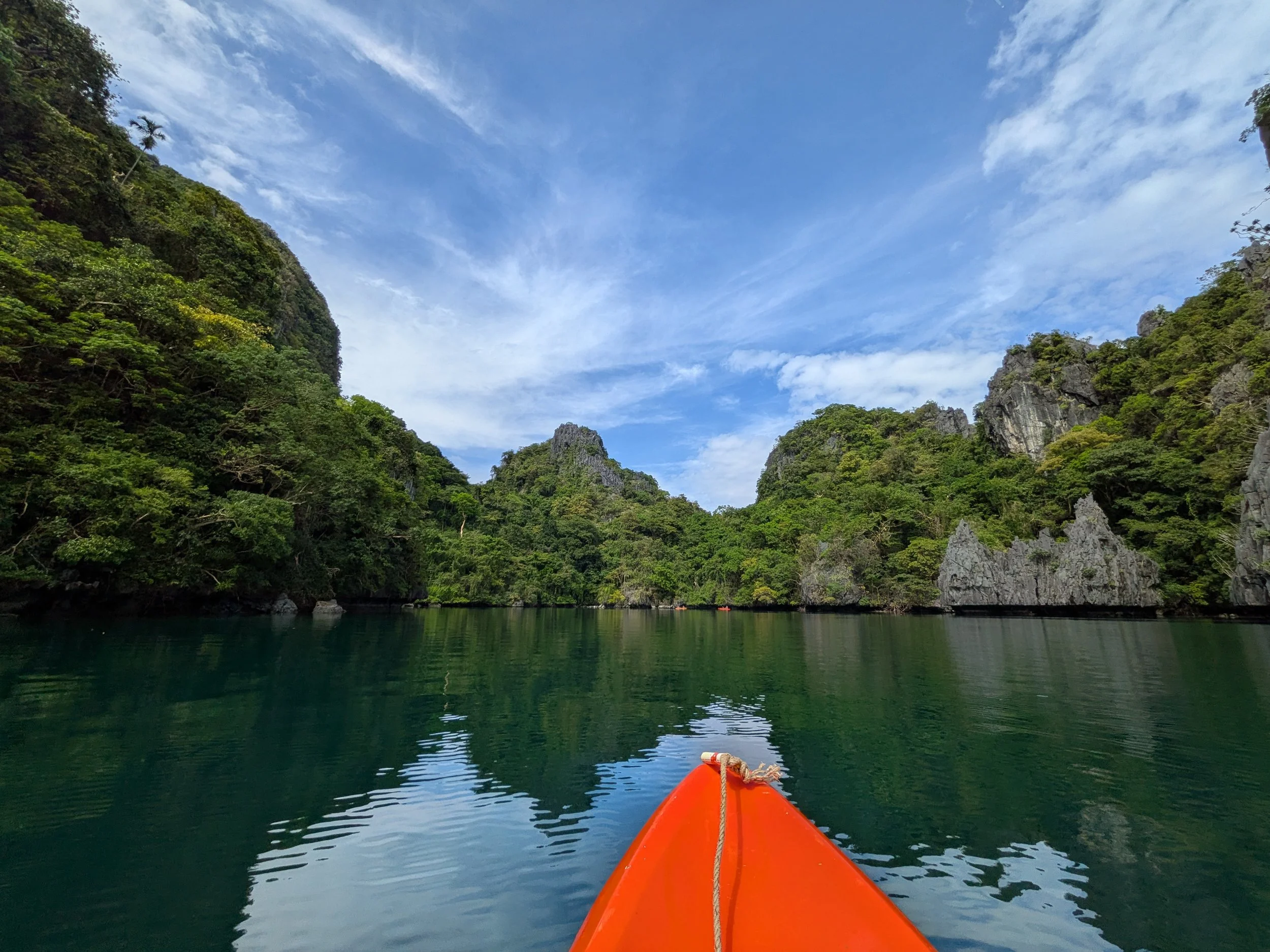
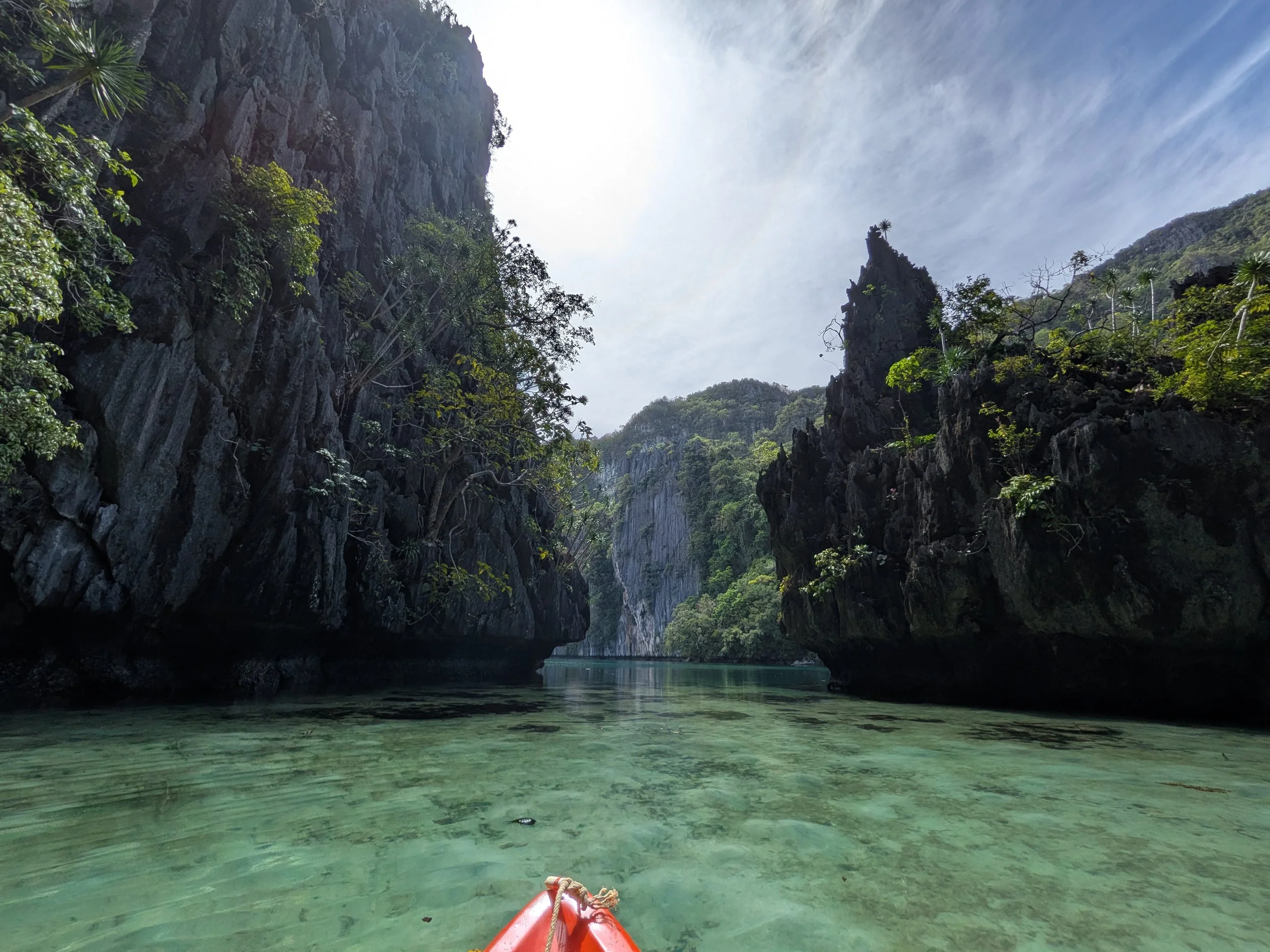
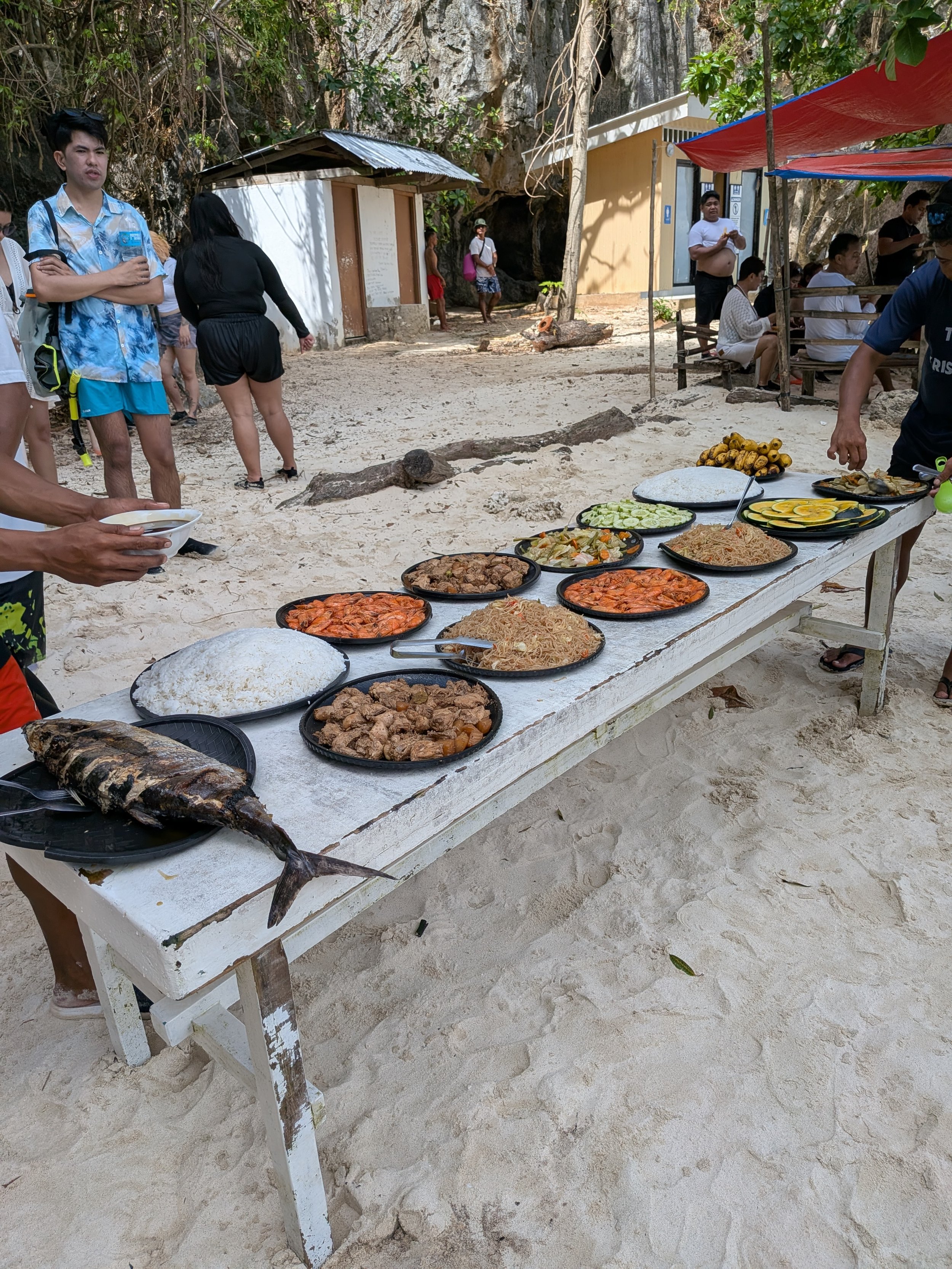
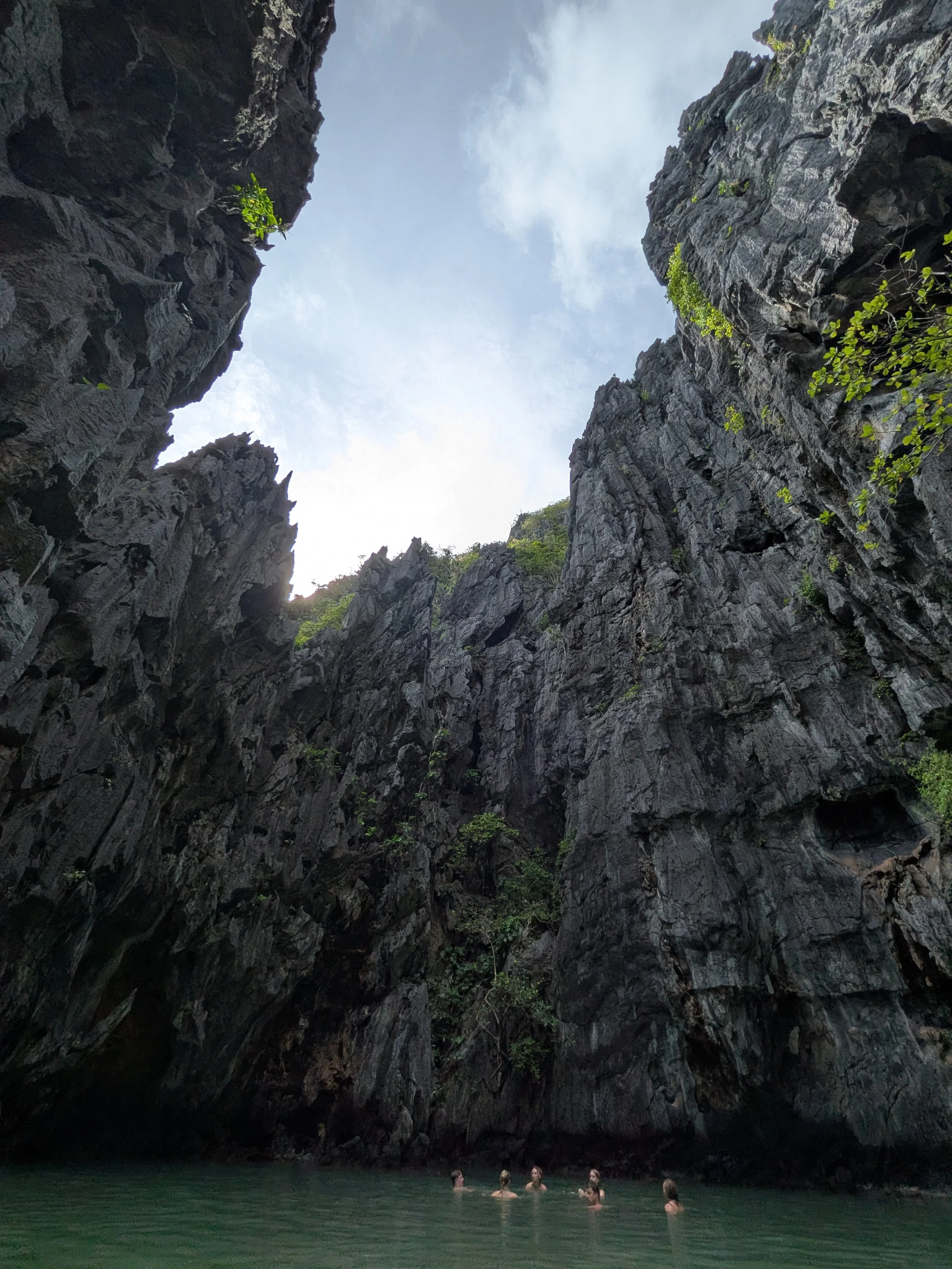
Day three we went to Snake Island, Cathedral Cave, Cudugnon Cave, Entalula Island, Papaya Island. Another day of absolutely stunning white sand beaches and aquamarine waters. For the tours, you have the option to rent snorkeling gear, kayaks and water shoes for different water activities so make sure you have cash on hand!
Coron
There’s the option of taking a ferry from El Nido to Coron but our travel agent booked us a direct flight for a smoother transition. When we booked the package through our agent, she stated that accommodations in Coron would be Two Seasons Coron, not knowing there’s Two Seasons Resort & Spa and Two Seasons Bayside Hotel. We were under the impression that we would be staying at the resort but we were actually booked at the hotel. We didn’t mind this too much as the hotel was nice but it’s a reminder to anyone booking with an agent to do more research and confirm details.
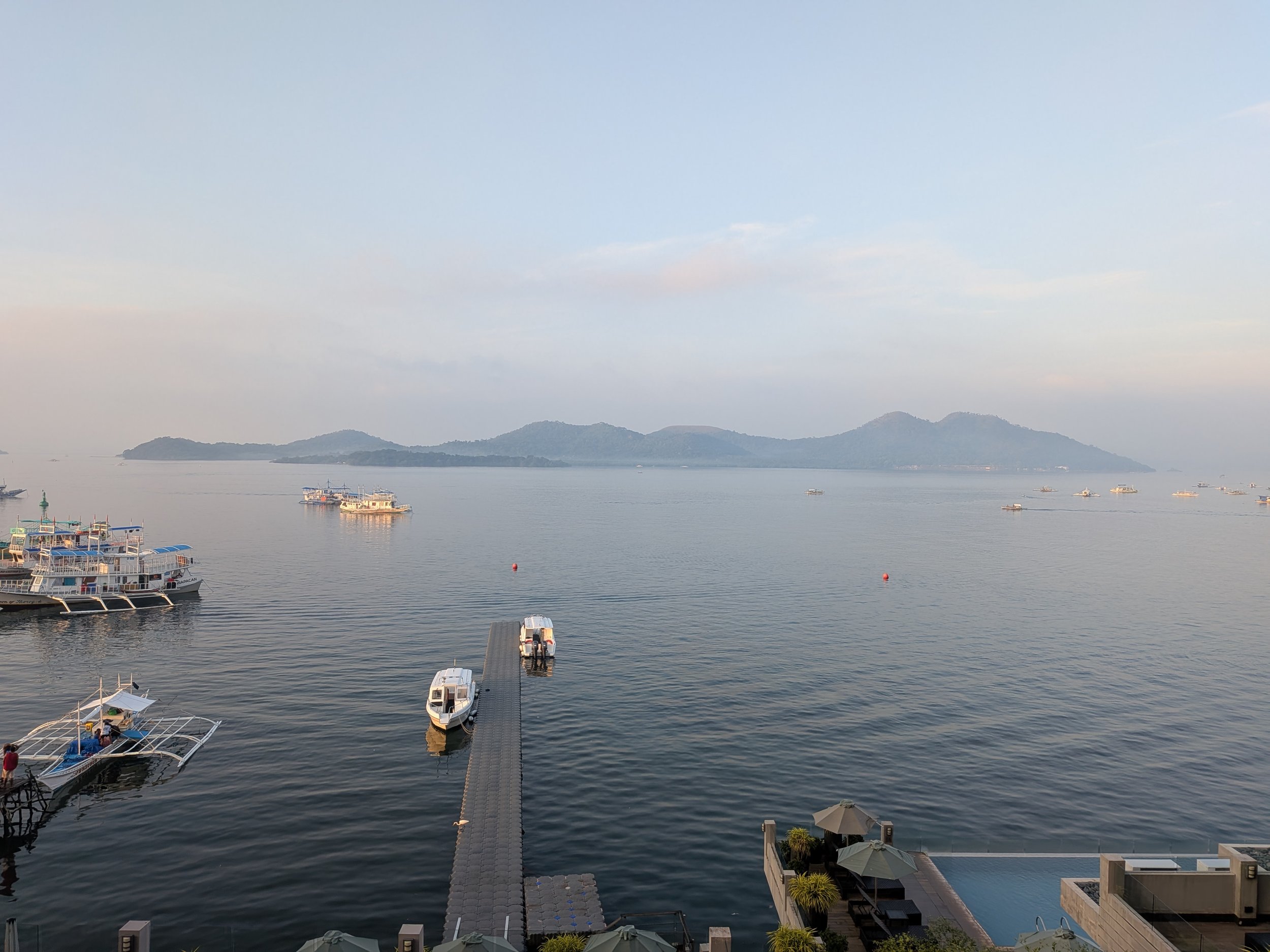
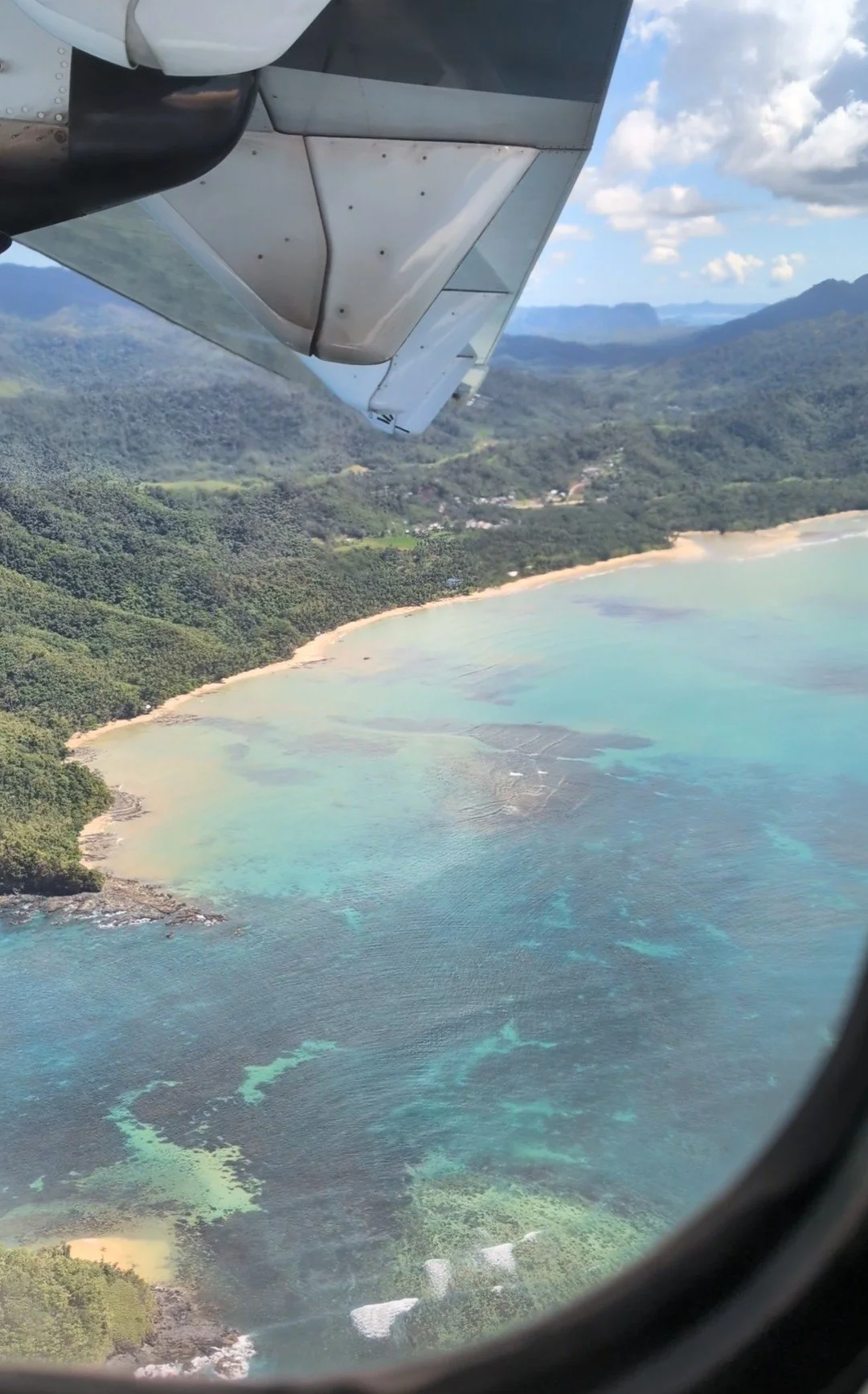
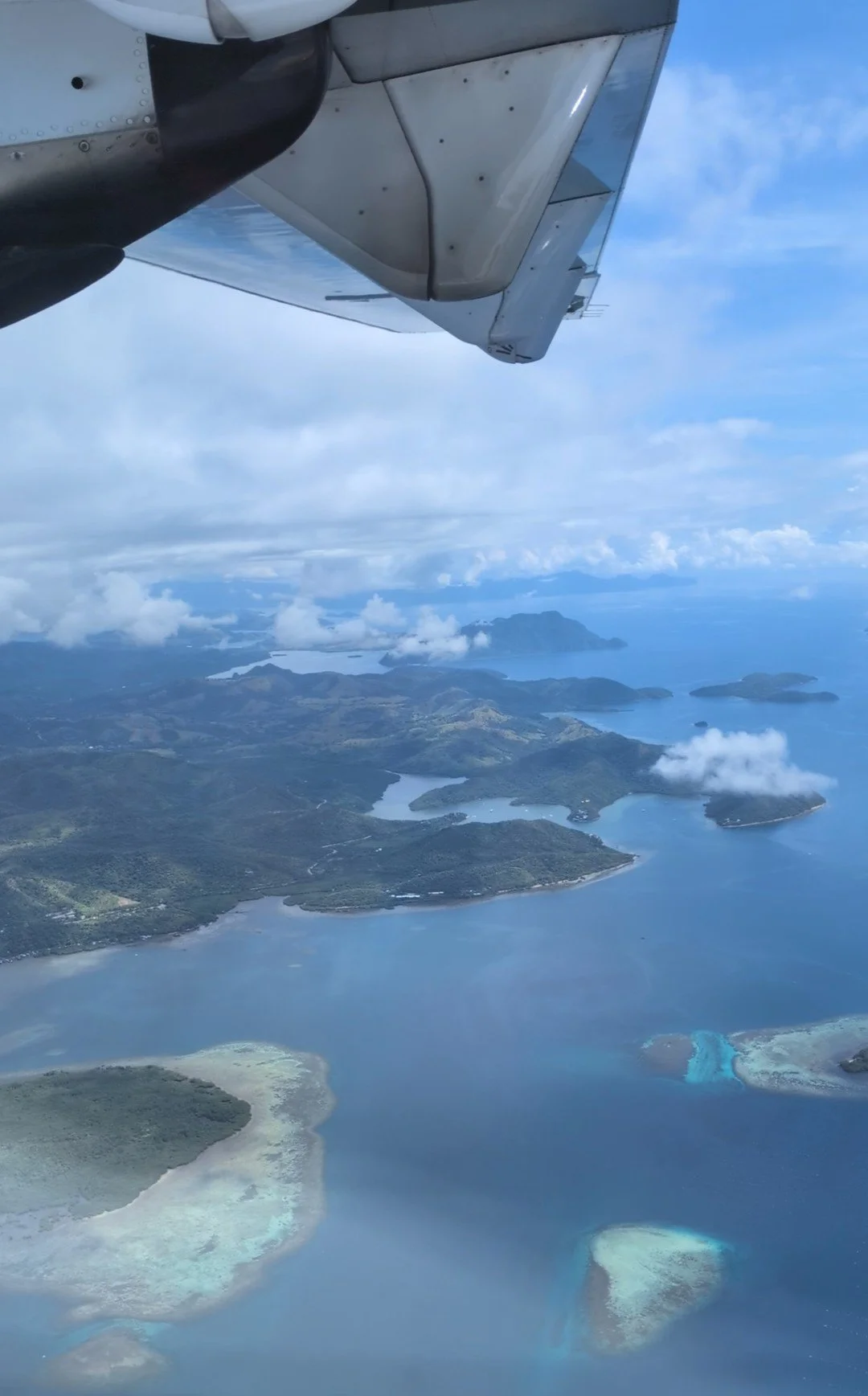
Coron’s downtown area is not as accessible and centralized as El Nido’s downtown. Downtown is more rustic and residential and it seems the only places that tourists flock to is at the dock for all the boat tours. Most of the entertainment happens at hotels rather than an array of bars, restaurants, cafes, shops that El Nido boasts on its main streets.
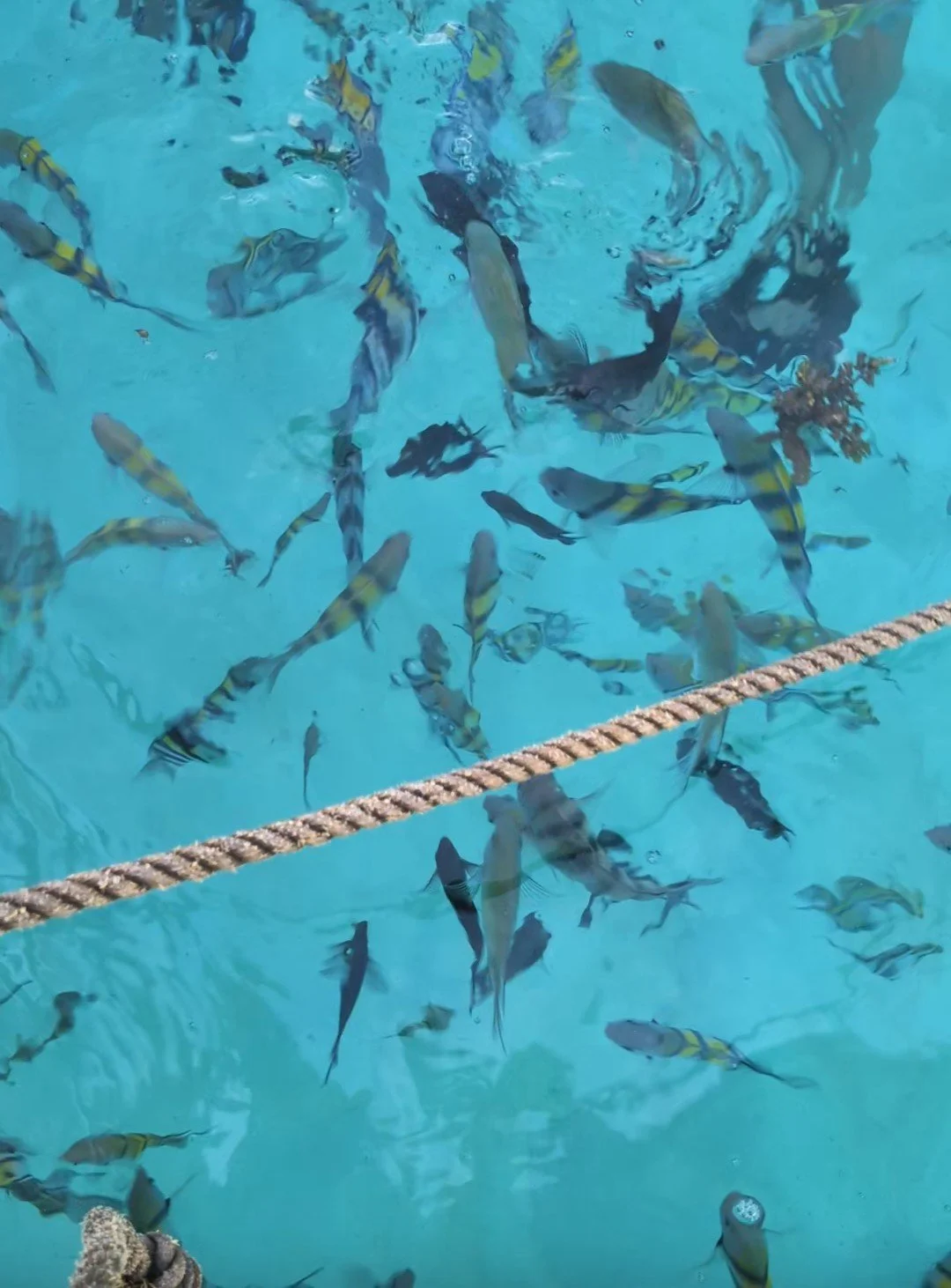
Day one of Coron’s island hopping was the Ultimate Tour which took us to Kayangan Lake, Twin Lagoon, Sunset Beach, Reef Garden, Skeleton Wreck, Coral Garden, CYC Beach. The weather was fantastic and the scenery was even better. Mark enjoyed snorkeling and looking at the coral reefs while I had fun kayaking, tandem and solo.
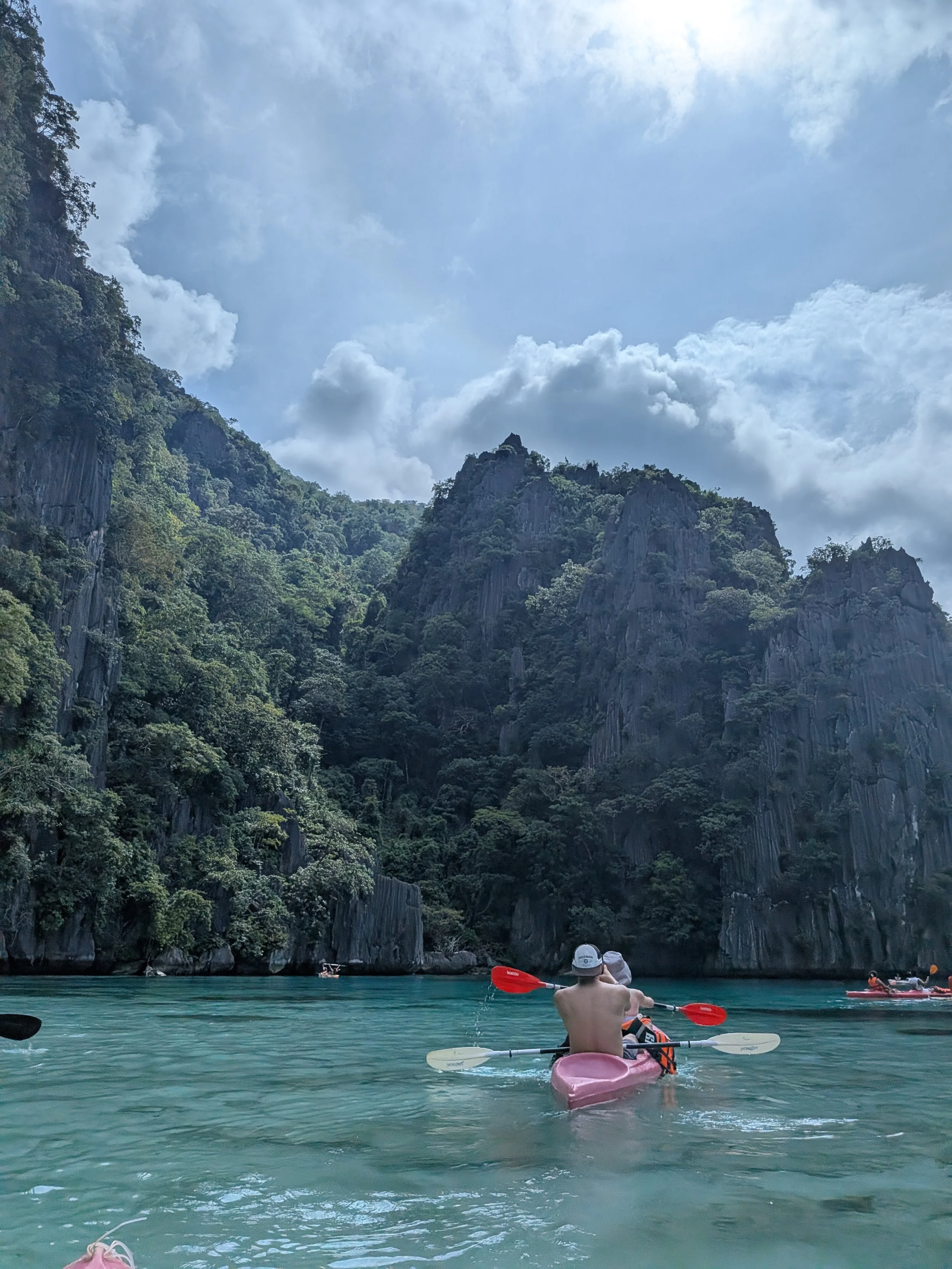
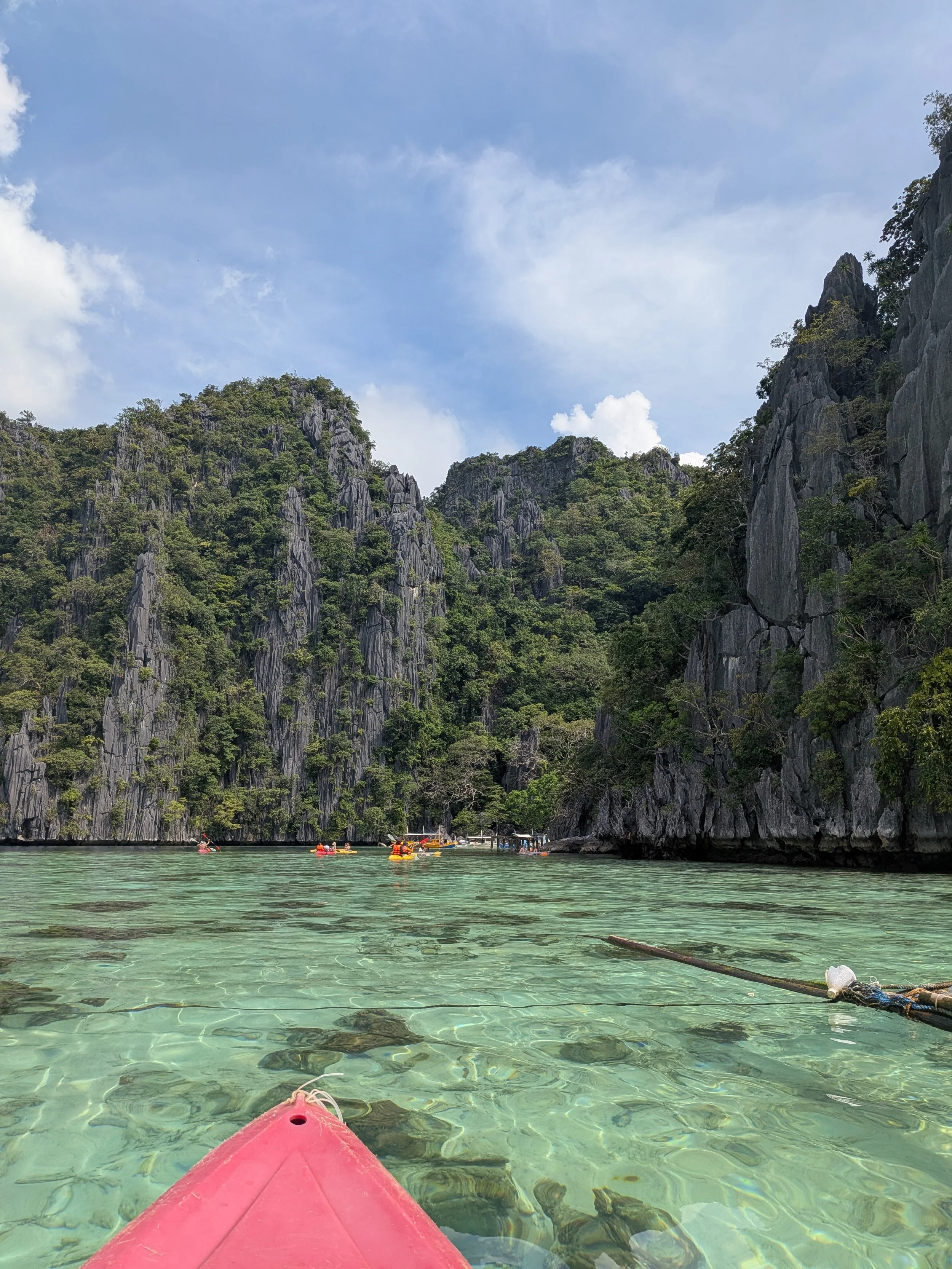
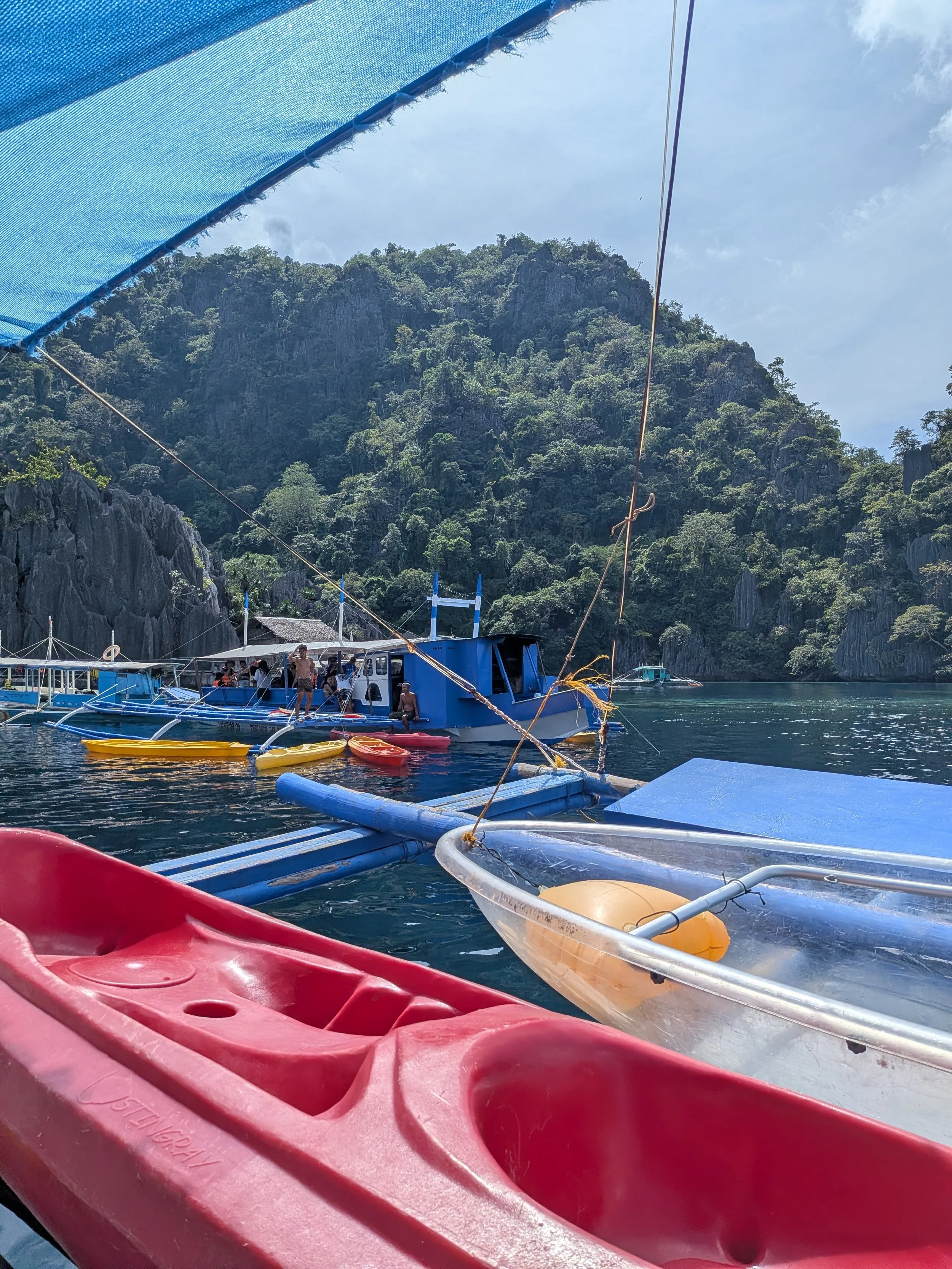
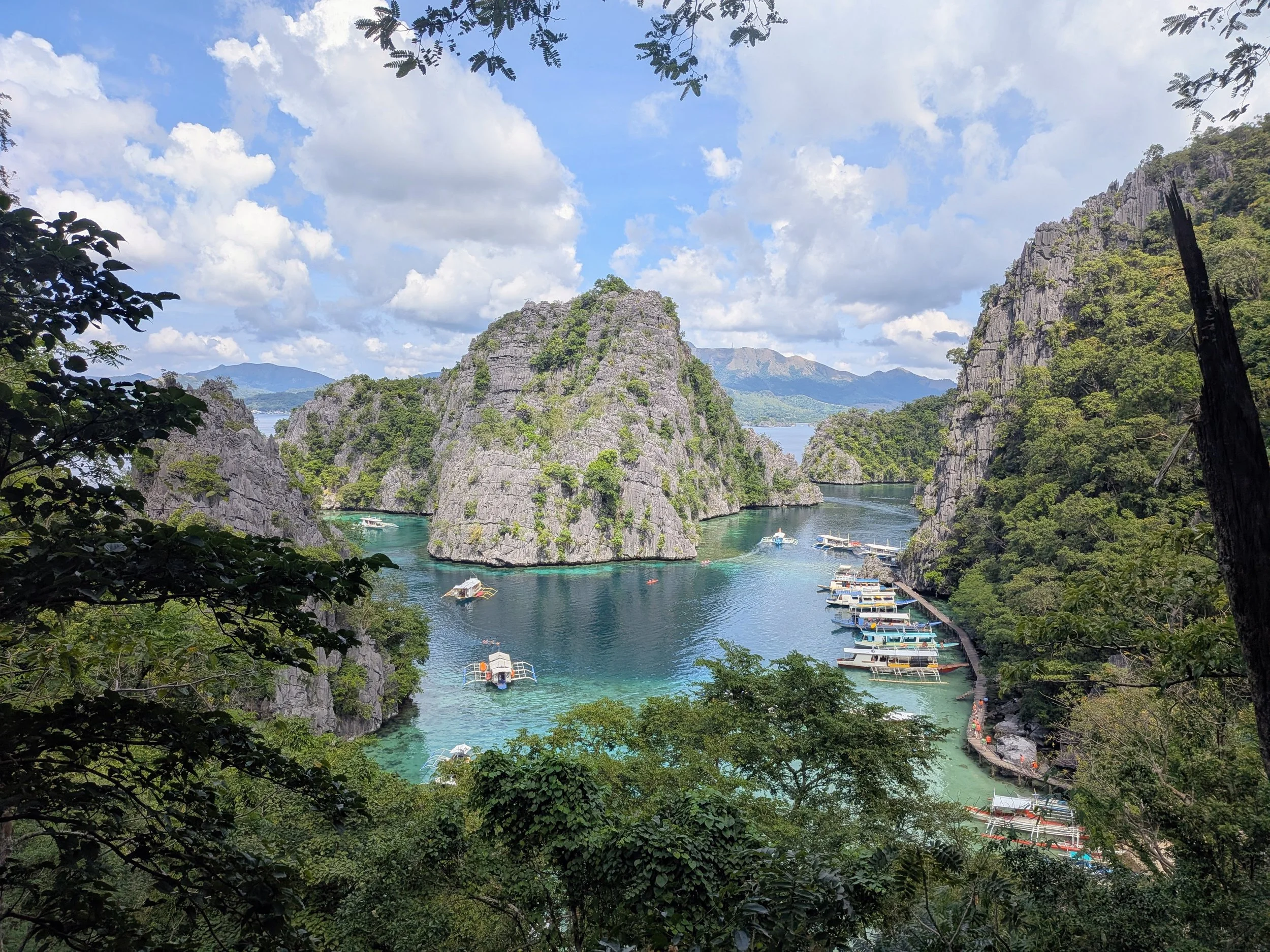
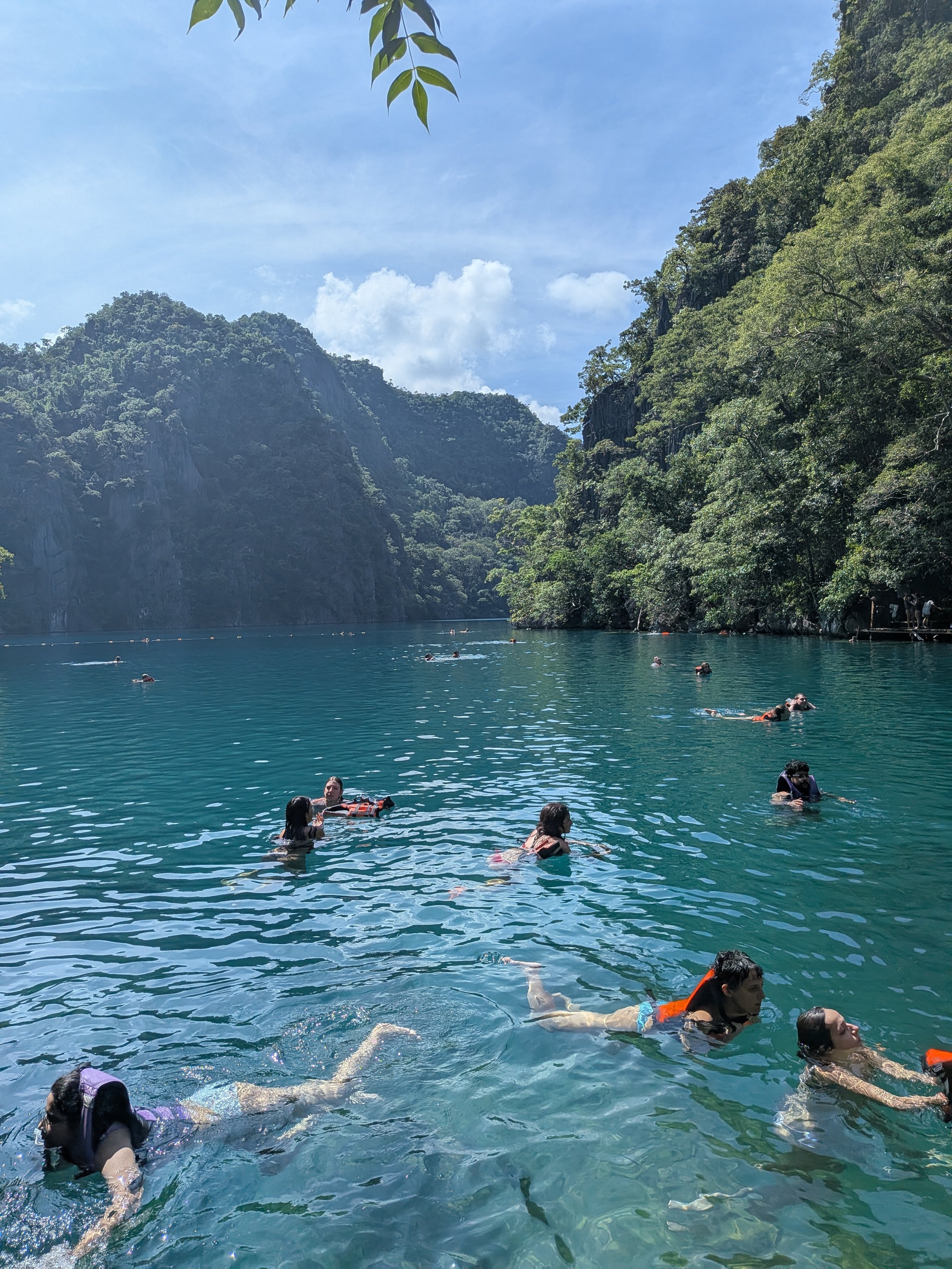
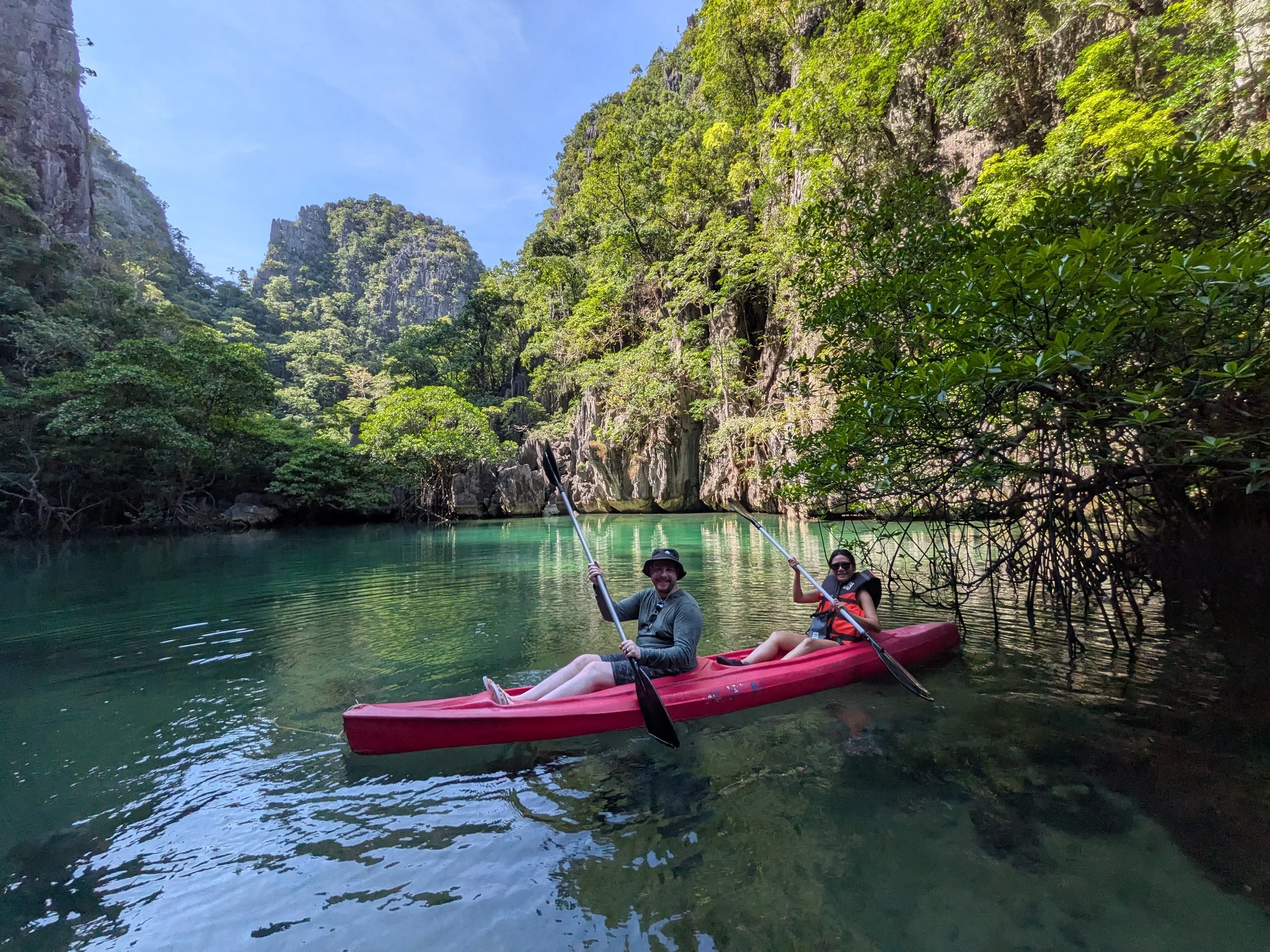
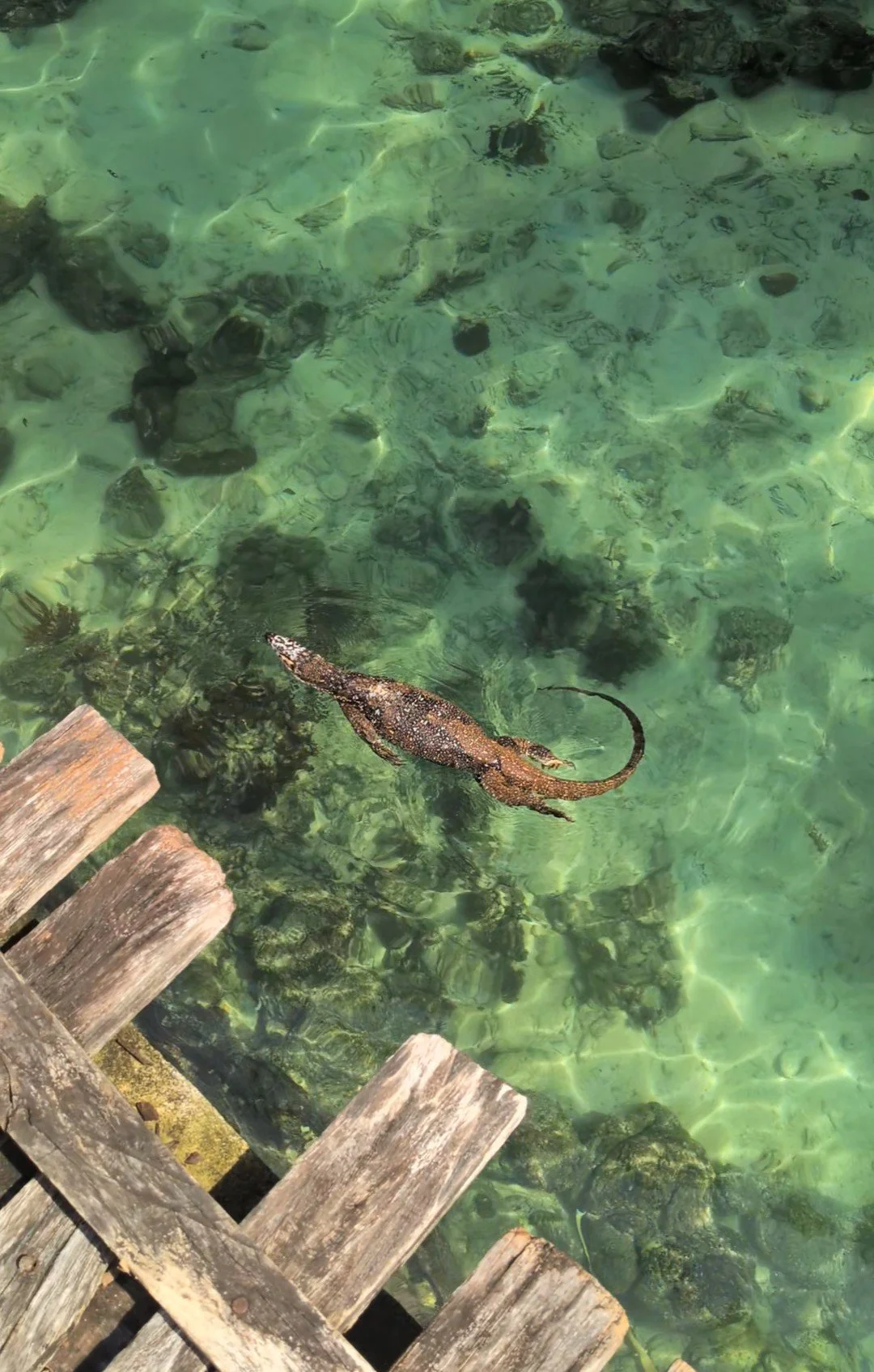
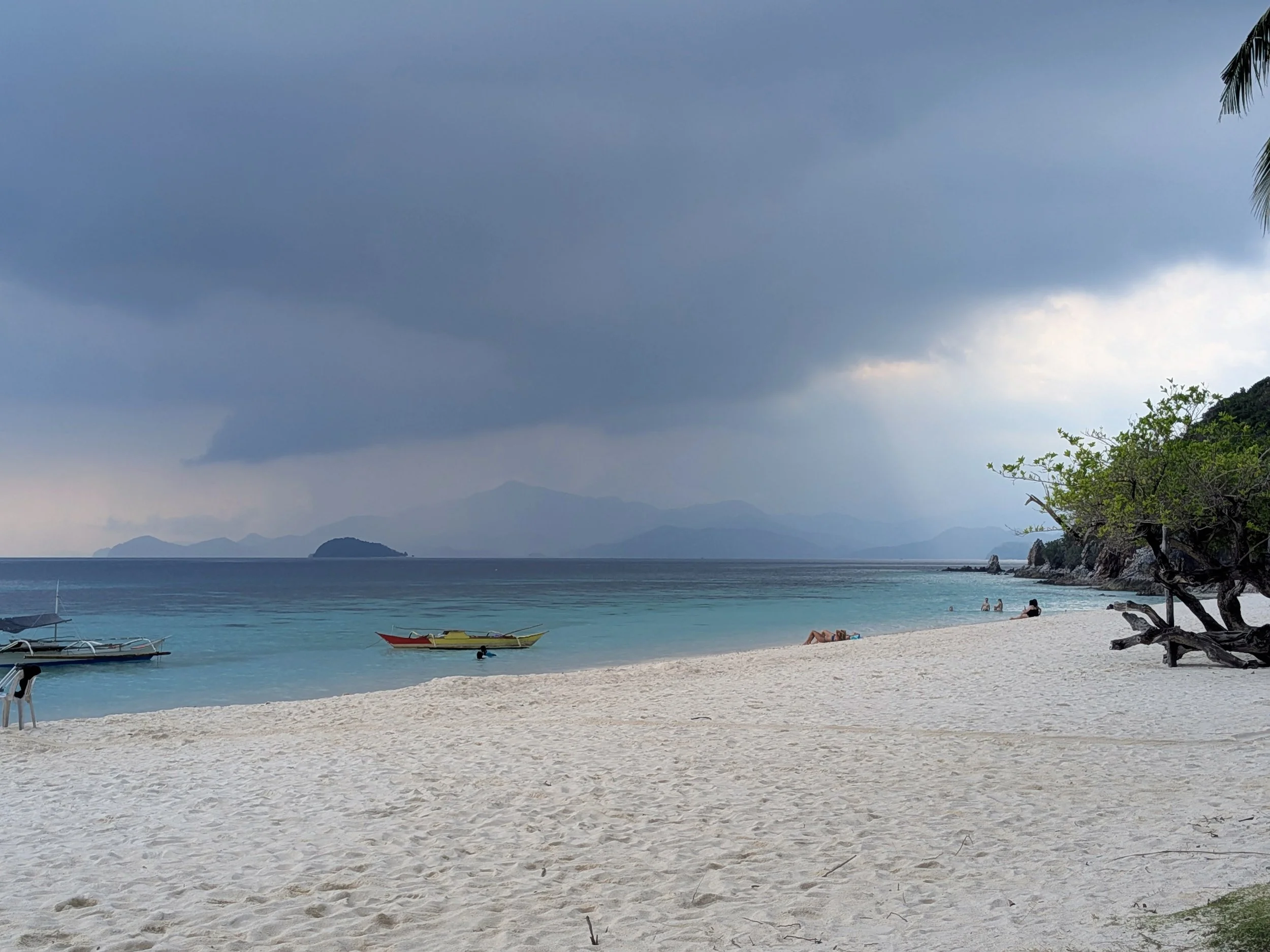
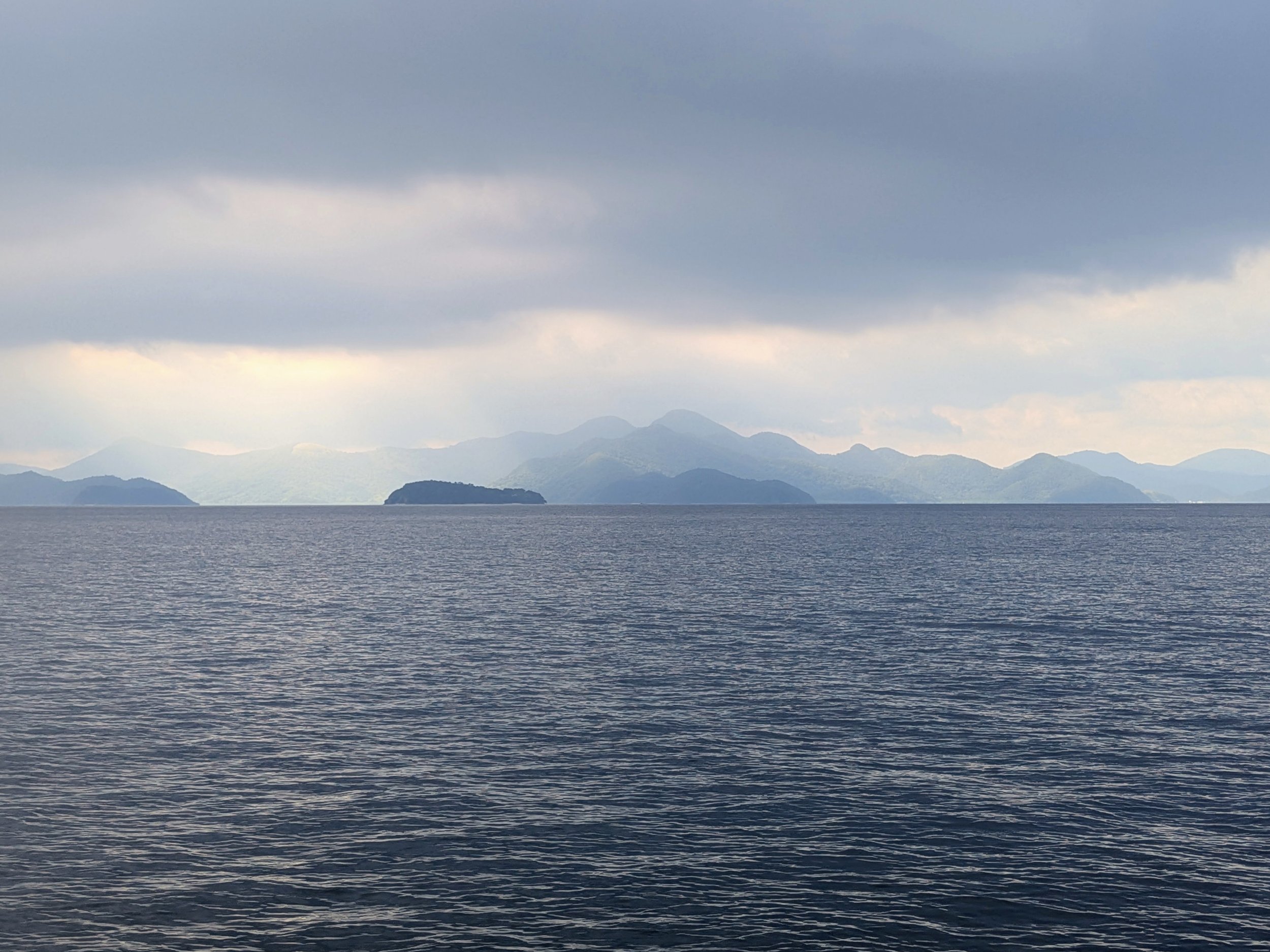
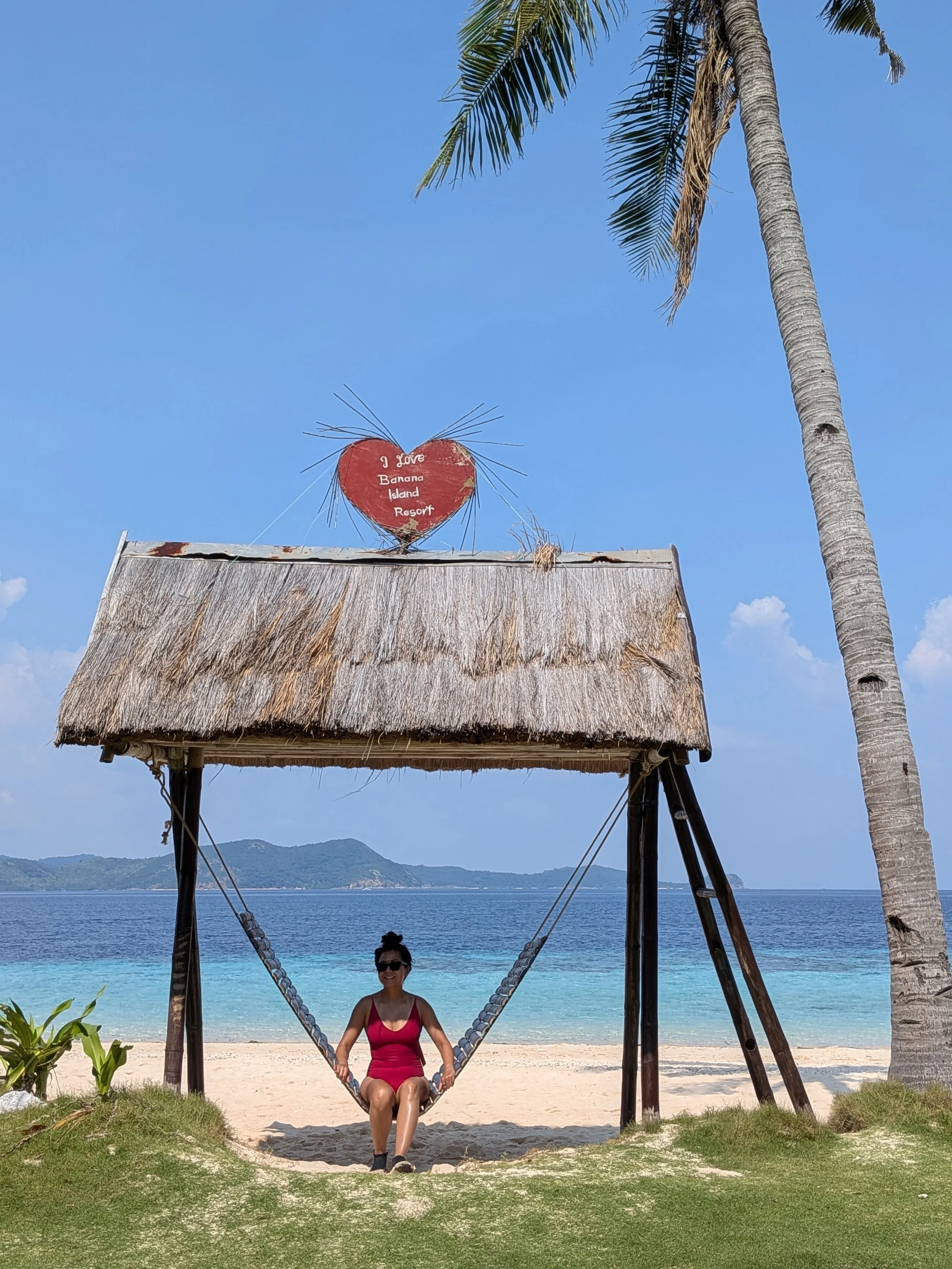
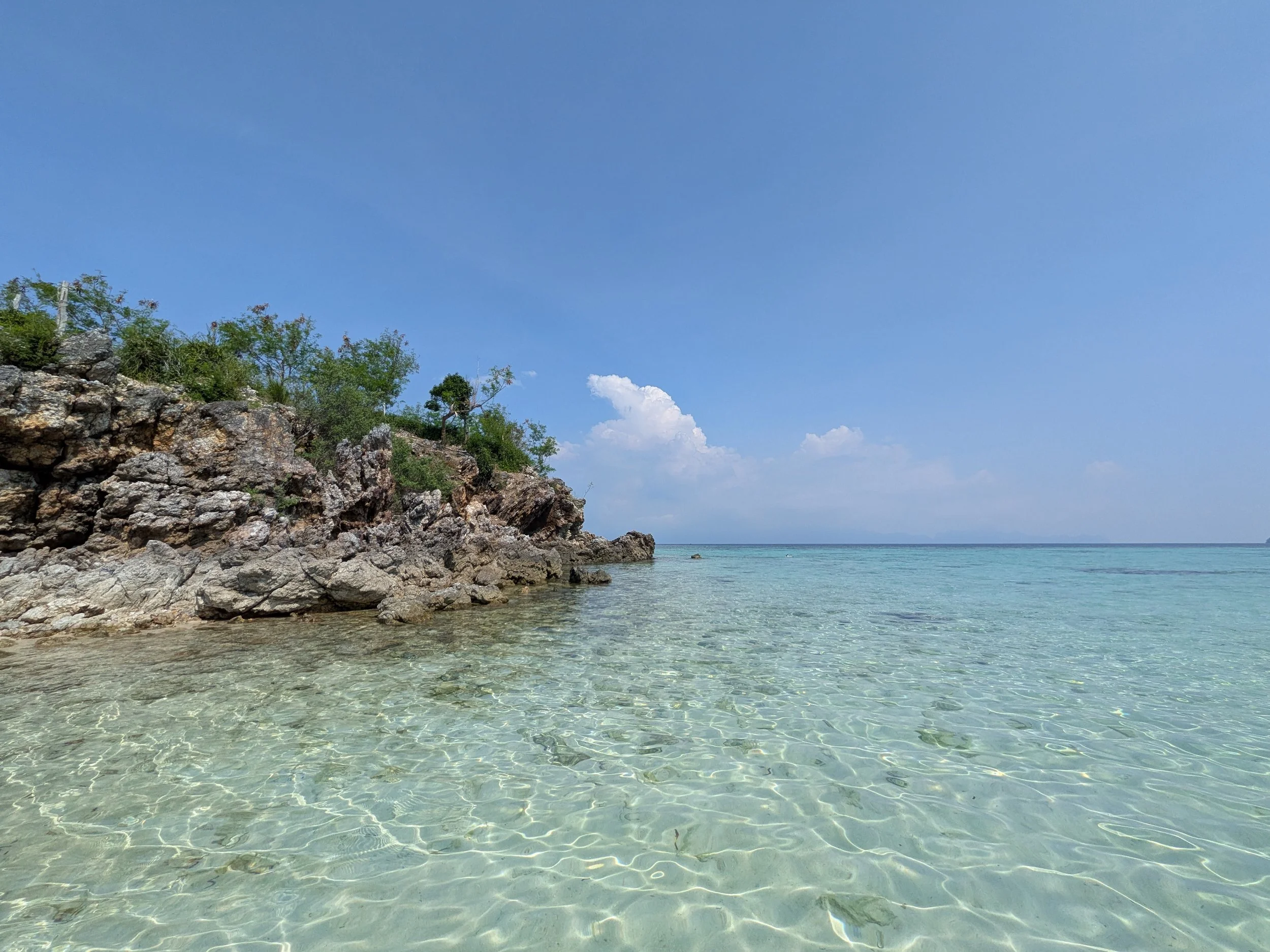
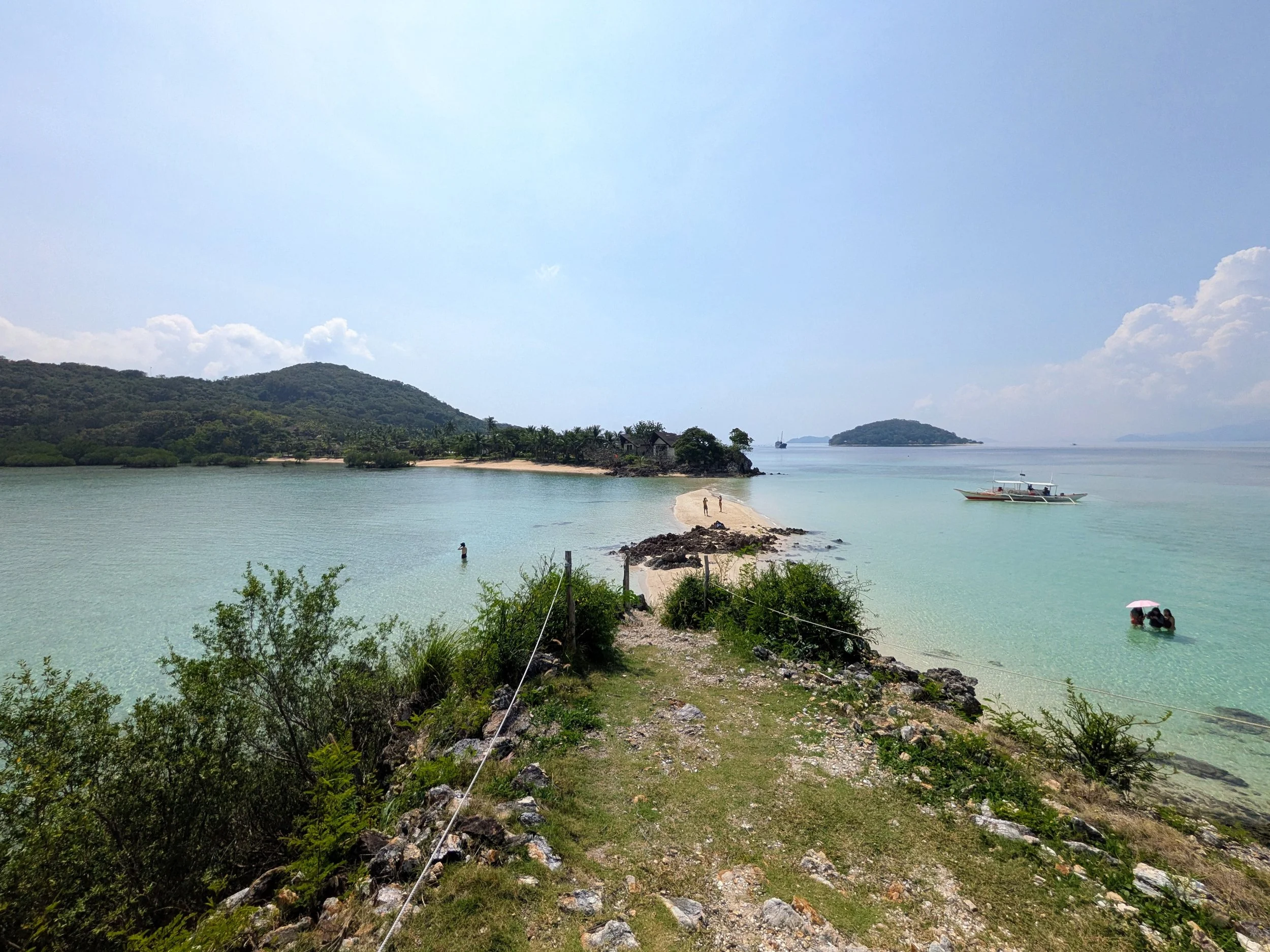
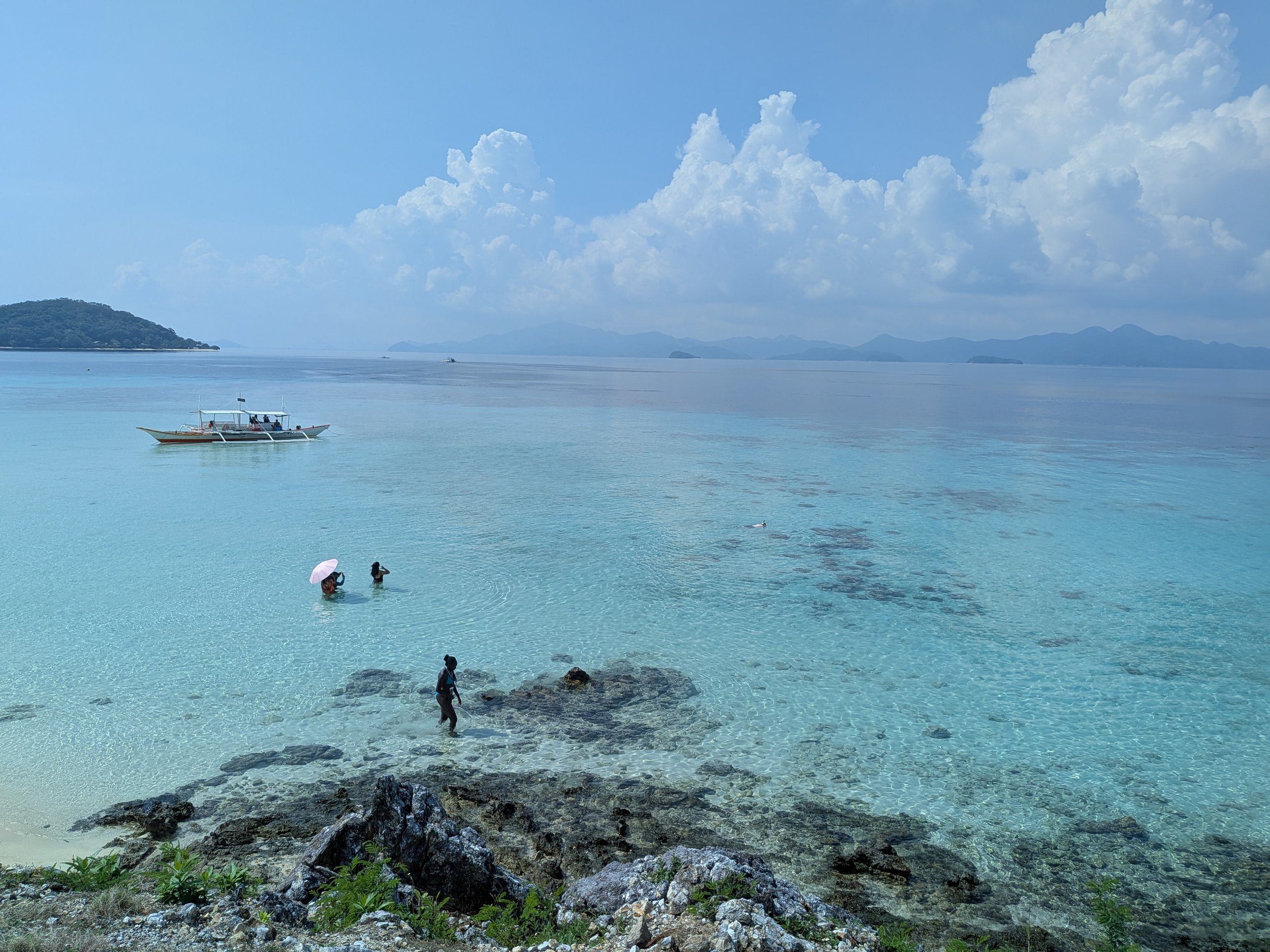
The next day we did the Island Escapade boat tour which took us to Malcapuya Island, Banana Island, Bulog Dos Island. We enjoyed this tour more than the previous day because it allowed us more time on each island and there were significantly less people. It was a good way of easing back from the serotonin overload of our vacation and accepting the notion of reality in our imminent future.
MANILA & REFLECTIONS
We flew out of Coron and landed back in Manila in less than 24 hours from our scheduled flight back to the States. Needless to say it was a crazy last day in Manila as we did some last minute shopping and last minute packing, but we had a fantastic last family dinner at Trellis in Quezon City. If you’re a fan of “Somebody Feed Phil,” Trellis is featured in Season 8. The restaurant lived up to its hype and the meal was the perfect way to end a month-long vacation: good food with the best people.
For our flight back to Chicago, we took Japan Airlines (JAL) with a quick layover at Narita Airport. I secretly wished our flight was delayed by a day or two to spend more time in Japan, but we had enough time to do Duty Free shopping and eat boxed sushi (which still tasted better than any sushi in the States). JAL is a great airline that we will definitely take again in the future. The seats are more spacious, they offer better and healthier food options (including miso soup and complimentary Japanese beer and plum wine), and overall great service. We took United Airlines going to Japan and the difference was night and day.
This trip was one for the books! You can’t go on a trip like this and not be impacted emotionally, psychologically, spiritually, physically. We were constantly experiencing moments that forced us outside of our comfort zones that inherently encourages growth. Growth in the sense of broadening your cultural and world views, reassessing viewpoints you once held as truths, accepting situations for what they are and relinquishing control of the outcome or narrative, observing not only people but sense of self in different settings, and embracing rare opportunities and experiences that we’re so fortunate to collect and catalogue under Life.
Mark noted that I was quieter than usual and it’s because I’m a very cerebral person and there was a lot of introspection to be done. What I learned most is that when you’re taking a lot in, you’re also giving a lot of yourself through graciousness, appreciation, and generosity. Most of all, humanity in meeting people in their space with genuine openness. We didn’t come home the same people, and that’s the wonderful thing about this type of international travel. It sparks existential questions and inspires you to reevaluate not only how you’re living life, but why you’re living life.